Old Time Player Piano Day
United States
About
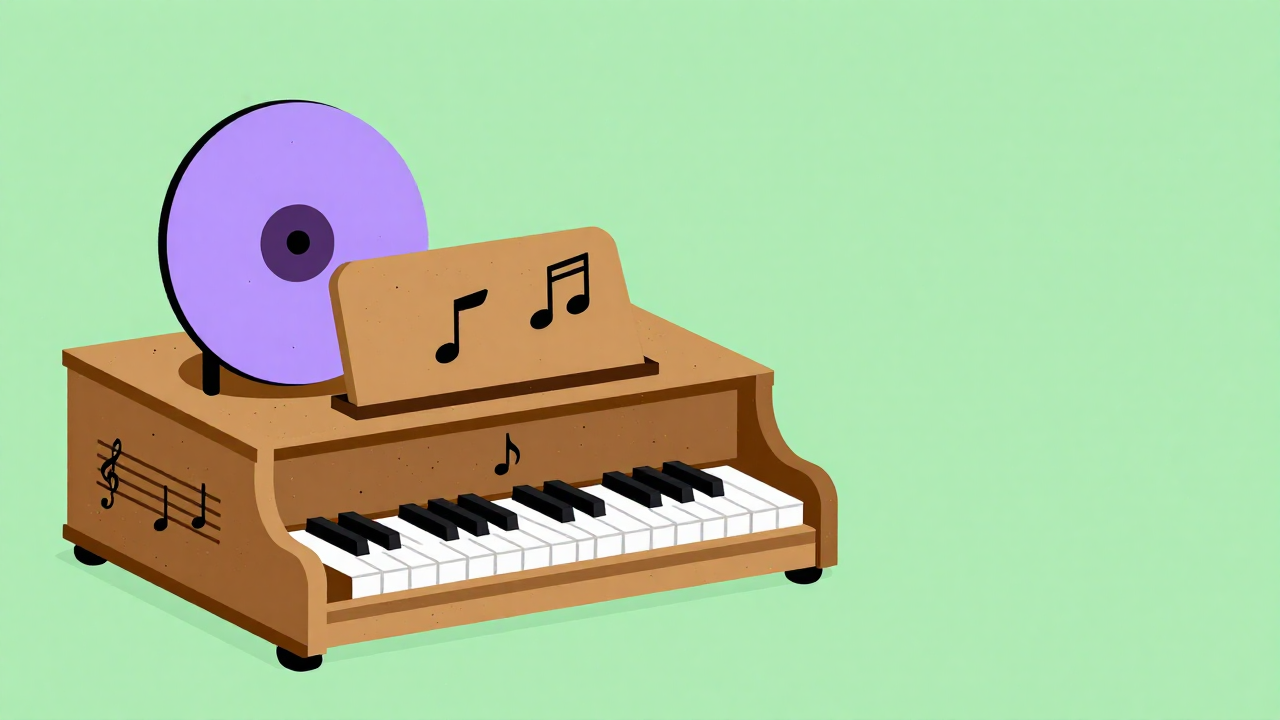
Old Time Player Piano Day, celebrated on May 27, invites music lovers and nostalgia enthusiasts alike to embrace the enchanting sounds of a bygone era. This delightful observance honors the unique charm of player pianos, which became popular in the late 19th and early 20th centuries. These remarkable instruments were designed to play music automatically, allowing anyone to enjoy beautiful melodies without needing to be a skilled pianist. By celebrating Old Time Player Piano Day, we not only indulge in the captivating tunes that filled parlors and dance halls but also pay tribute to the craftsmanship and innovation behind these mechanical marvels.
On this special day, many people take the time to appreciate the rich history of player pianos through listening parties, performances, or even by trying their hand at playing one. Gather friends and family to share stories and reminisce about the melodies that defined their childhoods or explore the vast repertoire of music available for these charming instruments. Whether you own a player piano or simply enjoy its nostalgic sounds, Old Time Player Piano Day on May 27 is a wonderful opportunity to connect with the past and celebrate the joy of music that transcends generations. So dust off those rolls of music, gather around the piano, and let the sweet melodies transport you to a time when life was a bit simpler and the music a lot sweeter!
History
Old Time Player Piano Day, observed annually on May 27, celebrates the unique charm and historical significance of player pianos, a once-revolutionary technology in the world of music. The origins of the player piano can be traced back to the late 19th century, with its development attributed to various inventors who sought to mechanize the act of playing music. The first commercial player piano, known as the "Pianola," was introduced by the Aeolian Company in 1897, allowing users to enjoy music without the need for traditional piano skills. This innovation quickly gained popularity, transforming the landscape of home entertainment and providing a means for families to experience music together.
As the 20th century progressed, player pianos became a staple in American homes, particularly during the Roaring Twenties when jazz and ragtime music flourished. The ability of player pianos to replicate complex performances made them a sought-after item, allowing people to enjoy performances of famous pianists and composers without the need for live musicians. During this era, the production of piano rolls—tapes containing perforations that dictated the movement of the piano hammers—became a booming industry. The player piano not only democratized music consumption but also played a role in the popularization of various musical genres, including early jazz and swing.
Over time, the rise of electronic instruments and advancements in technology led to a decline in the popularity of player pianos. However, the mid-20th century saw a resurgence of interest in vintage instruments as enthusiasts began to appreciate their historical and aesthetic value. This revival paved the way for the establishment of Old Time Player Piano Day, a celebration that highlights the mechanical ingenuity and cultural impact of these instruments. Observed on May 27, the day encourages enthusiasts and collectors to share their love for player pianos through performances, demonstrations, and educational events, fostering a sense of community among those who appreciate this unique aspect of music history.
Culturally, Old Time Player Piano Day serves as a reminder of the evolution of music technology and its role in shaping social interactions. The player piano symbolizes a bygone era where music was an integral part of family gatherings and social events. By commemorating this day, individuals honor the craftsmanship of the past and inspire future generations to explore the rich history of music-making. As the observance continues to grow, it brings together people from various backgrounds, united by their appreciation for the nostalgic melodies that player pianos provide.