Corpus Christi
Brazil, Portugal, Spain, Austria, Germany, Switzerland, Italy, Poland, Mexico, Philippines
About
Corpus Christi, observed on May 27, is a significant feast in the Christian liturgical calendar, celebrating the presence of the Holy Eucharist. This special day honors the belief in the real presence of Jesus Christ in the elements of bread and wine during the Mass. The name "Corpus Christi," which translates to "Body of Christ" in Latin, underscores the deep spiritual significance of this sacrament for believers. It’s a time for communities to come together in celebration, reflecting on their faith and the importance of the Eucharist in their spiritual lives.
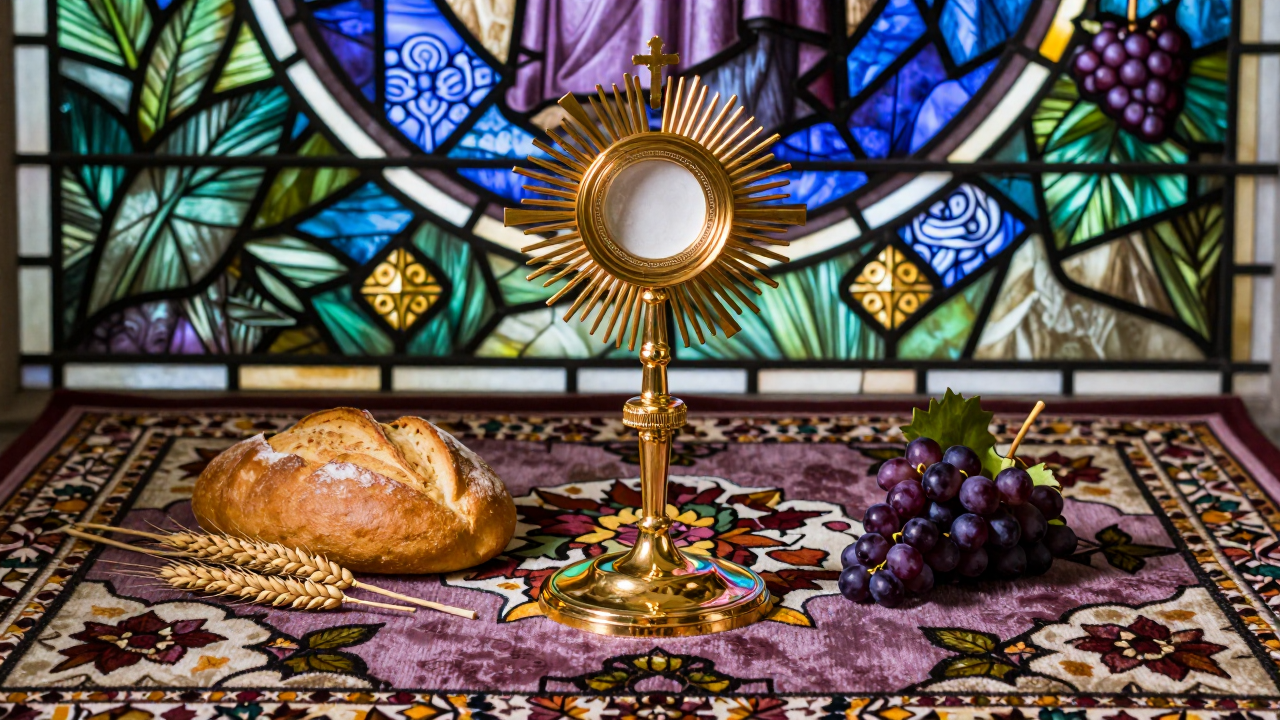
Festivities for Corpus Christi often include vibrant processions through towns and cities, where participants carry ornate banners and the Eucharist in a beautifully decorated monstrance. These processions are a joyful expression of faith, drawing in not just parishioners but also curious onlookers who may wish to witness the devotion. In many places, the streets are adorned with colorful flowers and religious symbols, creating a festive atmosphere that highlights the community's shared values and beliefs. As May 27 approaches, those observing Corpus Christi are reminded of the unity and love that the celebration represents, making it a heartfelt occasion for all who partake.
History
Corpus Christi, observed on May 27, is a Christian feast that celebrates the belief in the body and blood of Jesus Christ in the Eucharist. The origins of this observance date back to the 13th century, specifically to the visionary experiences of St. Juliana of Liège, a nun in present-day Belgium. St. Juliana reported having a series of visions in which she believed God instructed her to establish a feast specifically dedicated to the Eucharist. Her efforts led to the first official celebration of Corpus Christi in 1246, endorsed by Bishop Robert de Thorete of Liège. This feast was later expanded and adopted throughout the Catholic Church by Pope Urban IV in 1264, who also introduced the liturgical elements and rituals associated with the observance.
Over the centuries, Corpus Christi evolved in both its religious and cultural dimensions. Initially celebrated primarily within the confines of monastic communities, it gradually gained prominence in the wider church community. The feast was characterized by processions, where the consecrated host was displayed in a monstrance, allowing the faithful to publicly venerate the Eucharist. This practice underscored the significance of the Eucharist in Catholic worship and reinforced the communal aspect of faith. By the 14th century, Corpus Christi processions became widespread in Europe, with many cities and towns incorporating elaborate public displays, including decorations, music, and community participation.
Culturally, Corpus Christi has taken on various meanings and forms of expression across different regions, reflecting local traditions and customs. In many Latin American countries, for example, the observance is marked by vibrant processions and communal meals, blending indigenous and Christian elements. In Portugal, the festival often includes colorful street decorations, flower carpets, and traditional music, showcasing the local artistry and community spirit. In the United States, especially within Hispanic communities, the day serves as an occasion for family gatherings, showcasing the interplay between faith and cultural heritage.
As we commemorate Corpus Christi on May 27, it serves as a reminder of the deep-rooted significance of the Eucharist in Catholic tradition and its ability to foster community and devotion. The observance highlights the connection between faith and cultural identity, showcasing how religious practices can evolve while still retaining their foundational meanings. Through centuries of transformation, Corpus Christi remains a vital celebration that honors the belief in Christ’s presence in the Eucharist, inviting participants to reflect on their faith and community bonds.