Nowruz Bayram
Iran, Afghanistan, Azerbaijan, Kazakhstan, Kyrgyzstan, Tajikistan, Turkmenistan, Iraq, Turkey, Georgia, Albania, North Macedonia, Kosovo, Syria, Armenia
About
Nowruz Bayram, celebrated on March 21, marks the arrival of spring and the beginning of the new year in various cultures, particularly among Persian and Central Asian communities. This vibrant festival is steeped in tradition, symbolizing renewal, rebirth, and the joy of new beginnings. As the earth awakens from its winter slumber, families come together to honor this special time with various customs that emphasize gratitude, harmony, and the hope for prosperity in the year ahead.
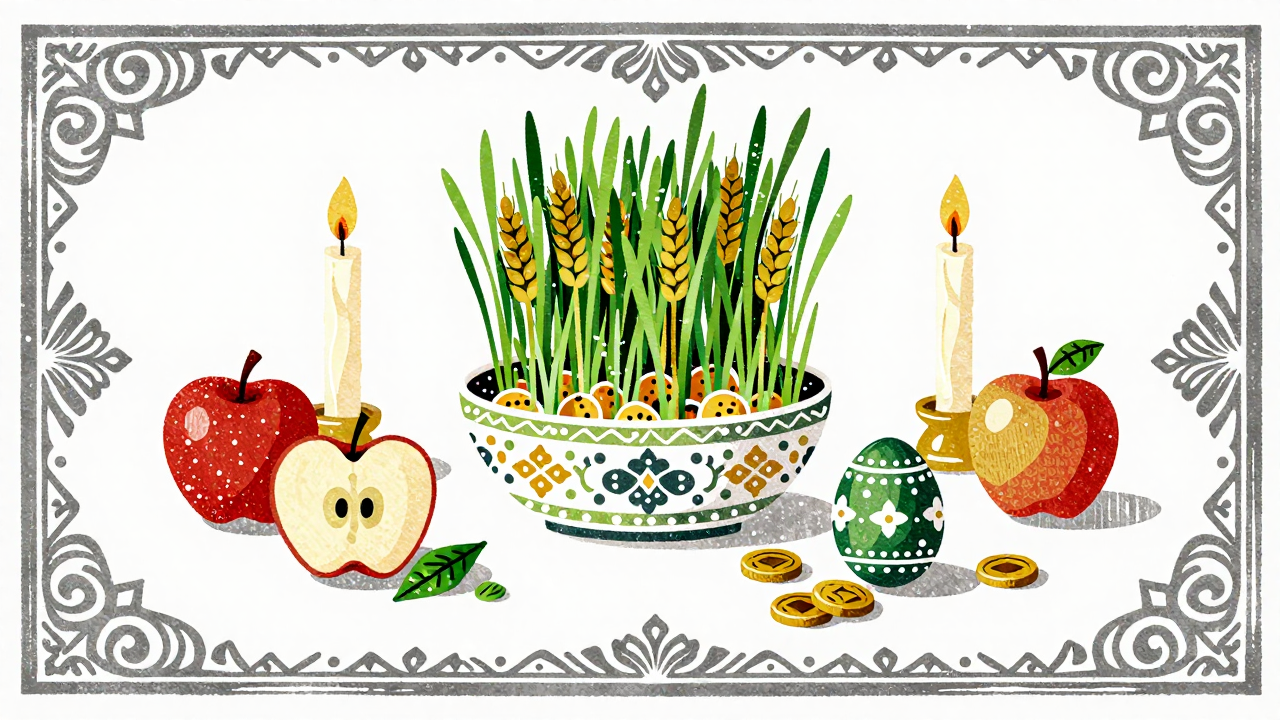
Preparations for Nowruz Bayram often begin weeks in advance, as people clean their homes and decorate them with fresh flowers, colorful eggs, and symbolic items representing health and happiness. On this day, families gather around the Haft-Seen table, a beautifully arranged display of seven items starting with the Persian letter "S," each representing a different hope for the year. As people exchange gifts and partake in traditional meals, the spirit of unity and joy fills the air, reminding everyone of the importance of connection to family, friends, and the community. With its rich tapestry of customs and an inherent message of renewal, Nowruz Bayram is a heartfelt celebration that resonates with the universal desire for peace and happiness.
History
Nowruz Bayram, celebrated on March 21, marks the beginning of the Persian New Year and the arrival of spring. Its origins can be traced back over 3,000 years to the ancient Zoroastrian tradition, which revered the spring equinox as a time of renewal and rebirth. The term "Nowruz" translates to "new day" in Persian, symbolizing the rejuvenation of nature and the start of a new year in the solar calendar. This observance aligns with the astronomical event when day and night are approximately equal in length, signifying balance and harmony in nature.
Throughout its long history, Nowruz has evolved from its Zoroastrian roots to embrace a broader cultural significance that transcends religious boundaries. While it initially served as a festival celebrating the ancient Persian gods, it gradually incorporated elements from various cultures and traditions as the Persian Empire expanded. Today, Nowruz is recognized by various ethnic groups, including Kurds, Afghans, and Tajiks, each adding their unique customs and practices to the celebration. In 2010, UNESCO recognized Nowruz as an Intangible Cultural Heritage of Humanity, underscoring its importance as a unifying cultural event across different nations.
Culturally, Nowruz Bayram serves as a time for family gatherings, reflection, and the reaffirmation of community ties. Traditional practices include cleaning and decorating homes, preparing special meals, and visiting the graves of loved ones. One of the most iconic symbols of Nowruz is the "Haft-Seen" table, which features seven items starting with the Persian letter 'S', each representing different aspects of life, such as health, wealth, and prosperity. This celebration goes beyond mere festivity; it embodies a deep respect for nature, the beauty of renewal, and the hope for peace and prosperity in the coming year.
In contemporary times, Nowruz Bayram continues to be a vibrant celebration that showcases the rich cultural heritage and diversity of the regions where it is observed. As it falls on March 21, participants around the world come together to honor their shared history while embracing the promise of a new year. The observance not only reflects a connection to the past but also serves as a reminder of the enduring values of unity, hope, and renewal that resonate across cultures.