Nauryz Day
Kazakhstan, Kyrgyzstan, Uzbekistan, Tajikistan, Turkmenistan, Iran, Azerbaijan, Afghanistan, Turkey, Iraq
About
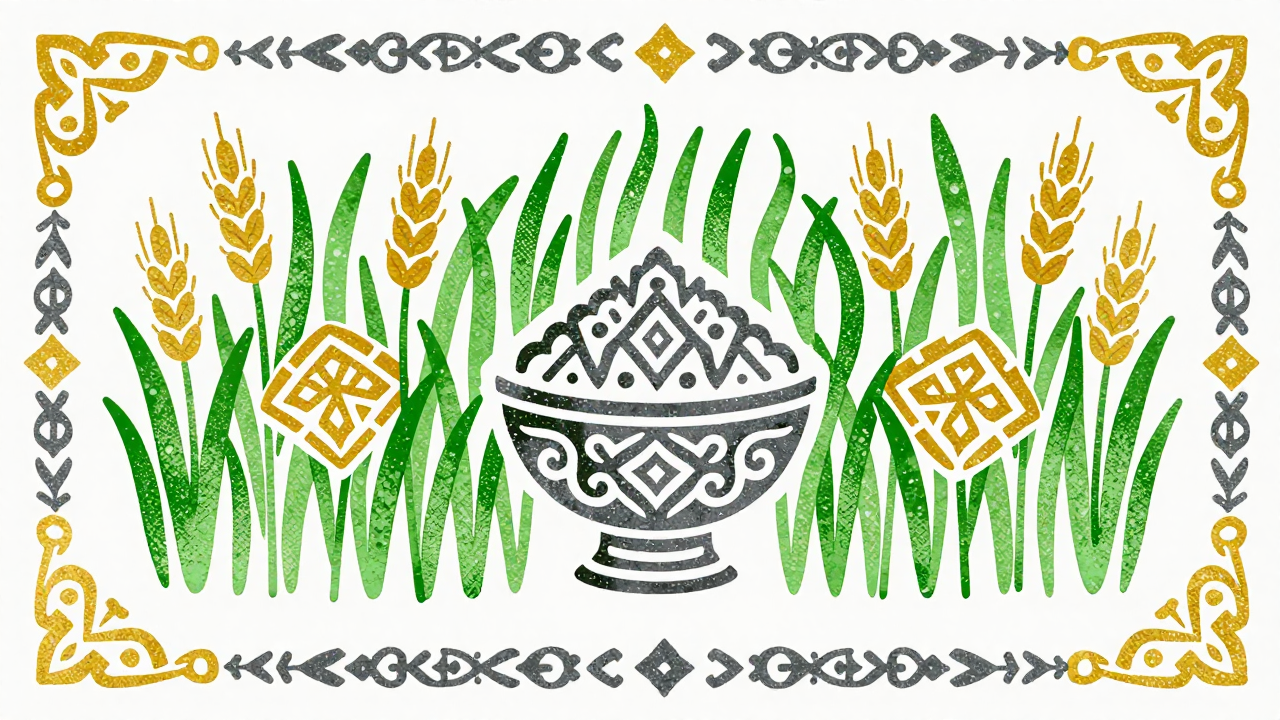
Nauryz Day, celebrated on March 21, marks the arrival of spring and the Persian New Year, symbolizing renewal and the triumph of light over darkness. This vibrant holiday is deeply rooted in the traditions of various cultures, particularly among the peoples of Central Asia, including Kazakhstan, Kyrgyzstan, and Uzbekistan. Nauryz, which translates to "new day" in Persian, is a time for communities to come together, celebrate the earth awakening from its winter slumber, and embrace the promise of new beginnings.
The festivities of Nauryz Day are rich with cultural significance, characterized by lively gatherings, traditional music, and delicious feasts featuring dishes like Nauryz kozhe, a special soup made from seven ingredients that represent health, wealth, and happiness. Families often engage in spring cleaning and decorating their homes, inviting friends and neighbors to join in the celebrations. As people exchange greetings and share stories, Nauryz Day fosters a spirit of unity and goodwill, reminding everyone of the importance of harmony and friendship in the coming year. So, as March 21 approaches, prepare to embrace the warmth and joy of this beautiful celebration of life and renewal!
History
Nauryz Day, celebrated on March 21, is a traditional spring festival that marks the vernal equinox, symbolizing the renewal of nature and the start of a new year in several cultures across Central Asia and the Middle East. The origins of Nauryz can be traced back over 3,000 years, with its roots in Zoroastrianism, where it signified the triumph of light over darkness and the renewal of life. The name "Nauryz" translates to "new day" in Persian, reflecting the celebration of rebirth and the arrival of spring.
Historically, Nauryz was observed by various ethnic groups, including Persians, Turks, and Kurds, and has been part of the cultural fabric of many nations, including Kazakhstan, Kyrgyzstan, Uzbekistan, and Iran. The festival was recognized as a time for communities to come together, share food, and participate in various activities that promote communal harmony. Over the centuries, as different cultures adopted and adapted the celebration, it evolved to incorporate local customs, rituals, and traditions, making it a unique reflection of each society's values and beliefs.
Culturally, Nauryz Day holds significant importance as it symbolizes hope, renewal, and the strengthening of social ties. It is a time for families to gather and celebrate with traditional dishes, such as "Nauryz kozhe," a special soup made from seven ingredients that represent luck, prosperity, and health. The holiday also includes ceremonial events, music, dances, and various games, reinforcing the collective spirit of the community. In 2009, Nauryz was recognized by UNESCO as an Intangible Cultural Heritage of Humanity, highlighting its importance in promoting intercultural dialogue and understanding.
In modern times, Nauryz Day continues to be widely celebrated, maintaining its relevance as a time of reflection, hope, and renewal. While the core themes of the holiday remain intact, the ways in which it is observed have adapted to contemporary society, blending traditional practices with modern celebrations. The significance of March 21 as the day of Nauryz reflects a deep connection to the natural world and the cycles of life, reminding people of the importance of harmony with nature and with one another.