National Tempura Day
Japan, United States
About
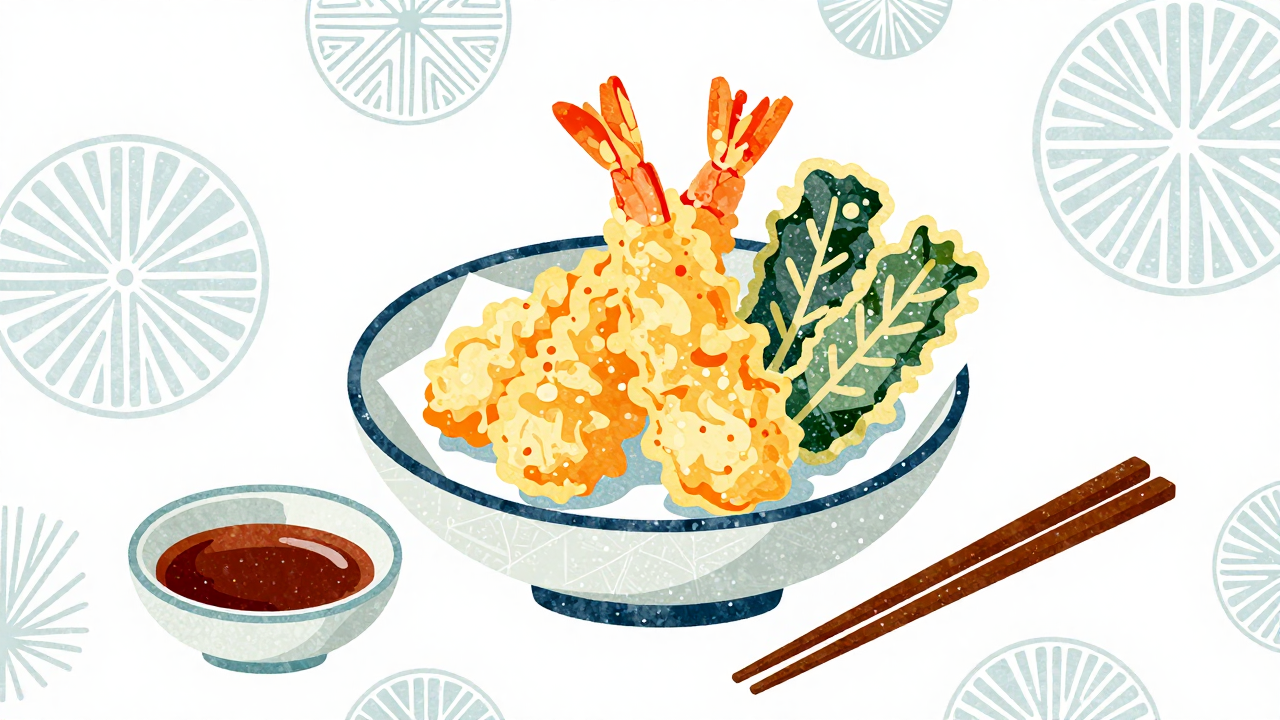
National Tempura Day, celebrated on January 7, invites food lovers to indulge in the delightful experience of this crispy Japanese dish. Tempura, known for its light and airy batter, showcases a variety of ingredients, from fresh vegetables to succulent seafood, all expertly fried to perfection. This culinary art form dates back to the 16th century, when Portuguese missionaries introduced the technique to Japan. Over the years, it has evolved into a beloved staple that highlights the beauty of simplicity and flavor.
On this special day, whether you're a seasoned chef or a curious novice, take the opportunity to explore the world of tempura. Gather your friends and family for a cooking session that celebrates this timeless dish, or visit your favorite Japanese restaurant to savor the expertly crafted flavors. National Tempura Day not only honors a delicious food tradition but also brings people together, making it the perfect occasion to enjoy good company and great meals. So, mark your calendars for January 7 and dive into the crispy, golden goodness that is tempura!
History
National Tempura Day is celebrated annually on January 7, honoring one of Japan's most beloved culinary traditions. The origins of tempura can be traced back to the 16th century, during Japan's contact with Portuguese missionaries and traders. The word "tempura" itself is derived from the Latin phrase "tempora," referring to the time of the year when Catholics abstain from eating meat, particularly during Lent. The Portuguese introduced the technique of batter-frying food, which blended seamlessly with Japan's existing cooking methods and local ingredients.
Over time, tempura evolved into a distinct Japanese dish. By the Edo period (1603-1868), tempura was firmly established in Japanese cuisine, particularly in urban centers like Tokyo (formerly Edo). Street vendors popularized tempura, serving it as a quick and affordable meal option. The dish was often made with seasonal vegetables and seafood, showcasing the freshness and quality of ingredients. As tempura gained popularity, it began to be served in restaurants, contributing to its status as a staple in Japanese gastronomy.
Culturally, National Tempura Day serves not only as a celebration of the dish itself but also as an acknowledgment of the rich culinary heritage of Japan. Tempura embodies the principles of Japanese cooking, which emphasize balance, seasonality, and presentation. The dish has transcended its origins, becoming a symbol of Japanese cuisine worldwide. On January 7, food enthusiasts and chefs alike take the opportunity to explore various tempura recipes, from traditional preparations to contemporary spins that incorporate diverse ingredients.
As tempura continues to be embraced globally, National Tempura Day highlights its significance in fostering cultural exchange. The observance encourages individuals to appreciate the fusion of flavors that have resulted from historical interactions and the enduring appeal of this culinary art form. Celebrating National Tempura Day allows people to connect with Japan’s rich food culture and enjoy a dish that has stood the test of time, reflecting both history and innovation.