Distaff Day
Spain, Portugal, Italy, Greece, Germany
About
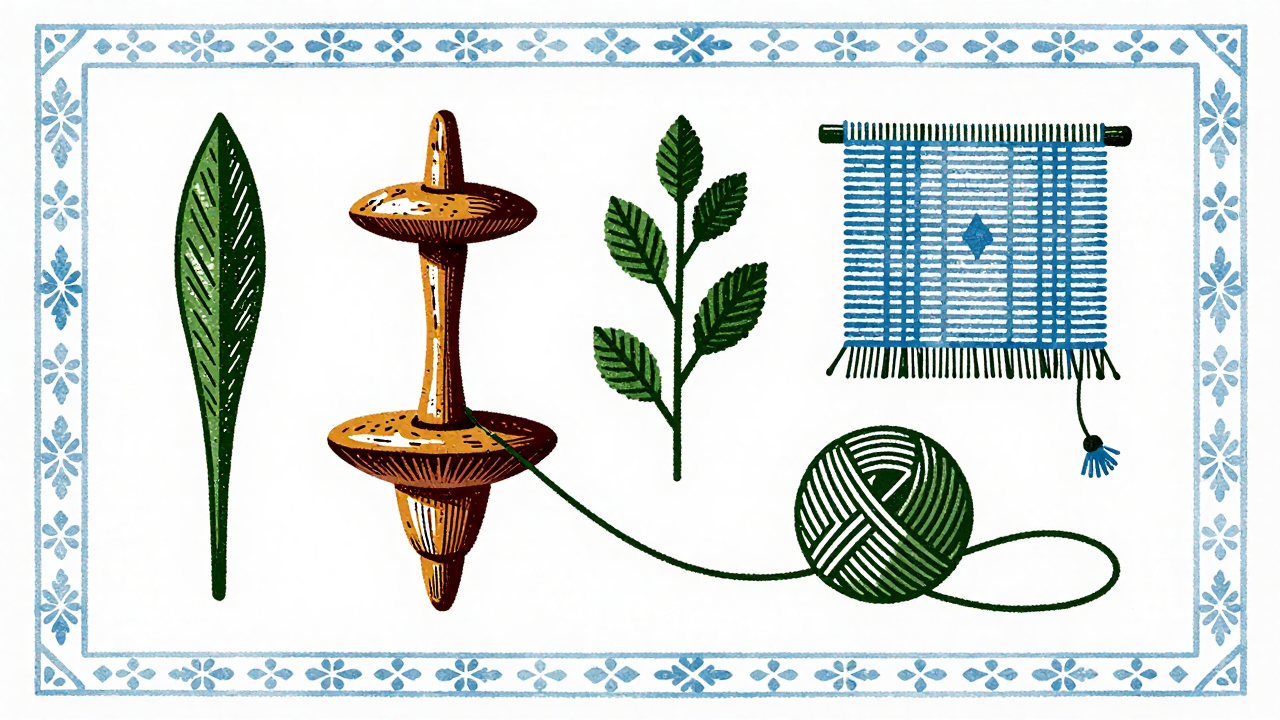
Distaff Day, celebrated on January 7, is a charming observance that pays homage to the traditional craft of spinning. Historically, this day marked the return to work after the holiday season, a time when spinners would pick up their distaffs and begin creating yarn for weaving. The distaff, a tool used to hold unspun fibers, symbolizes the important role of women in the textile industry and serves as a reminder of the skills and artistry involved in fiber crafts.
As we celebrate Distaff Day, it’s a wonderful opportunity to appreciate the rich heritage of handcrafting and the dedication of artisans who have kept these traditions alive. Many people take this day to gather with friends and family, share stories, and even spin yarn themselves, fostering a sense of community and connection. Whether you’re an experienced crafter or simply curious about the art of spinning, Distaff Day invites everyone to explore the beauty of textile arts and to honor the hardworking hands that have shaped our clothing and fabrics throughout history.
History
Distaff Day, celebrated on January 7, has roots that trace back to ancient agricultural societies, where it marked the end of the Christmas season and the return to the daily routines of work, particularly for women involved in textile production. The term "distaff" refers to a tool used for holding unspun fibers, particularly wool or flax, which women would spin into yarn. Traditionally, January 7 signified the day when women would resume their spinning after the festive season, symbolizing a return to domestic responsibilities and the craft of weaving.
Historically, the observance of Distaff Day has varied across cultures, but it has remained consistently associated with the renewal of labor after the holiday festivities. In medieval Europe, it served as a reminder of the important role women played in the household economy, where spinning and weaving were crucial for providing clothing and other textiles for the family. The day was not merely a return to work; it was also a celebration of women's craft and the skills they contributed to the community. Over time, the observance retained its significance as a recognition of women’s labor, even as societal roles evolved.
As time progressed, Distaff Day began to evolve beyond its strictly labor-related origins. In some regions, it became associated with social gatherings where women would come together to spin and share stories, reinforcing community bonds. The day became a celebration of female camaraderie and the passing down of skills from one generation to the next. In more contemporary times, while the observance may not be widely recognized, it remains a symbol of women's contributions throughout history, particularly in the arts of spinning and weaving.
Culturally, Distaff Day serves as a reminder of the historical significance of women's work, highlighting the often-overlooked contributions to household economies and the craft of textile production. It has become a point of interest for those looking to explore traditional crafts and the roles women played in shaping economic practices. On January 7, enthusiasts of textile arts may reflect on the historical importance of these practices, celebrating not just the craft itself but also the women who have sustained these traditions through the ages.