National Supply Chain Day
United States
About
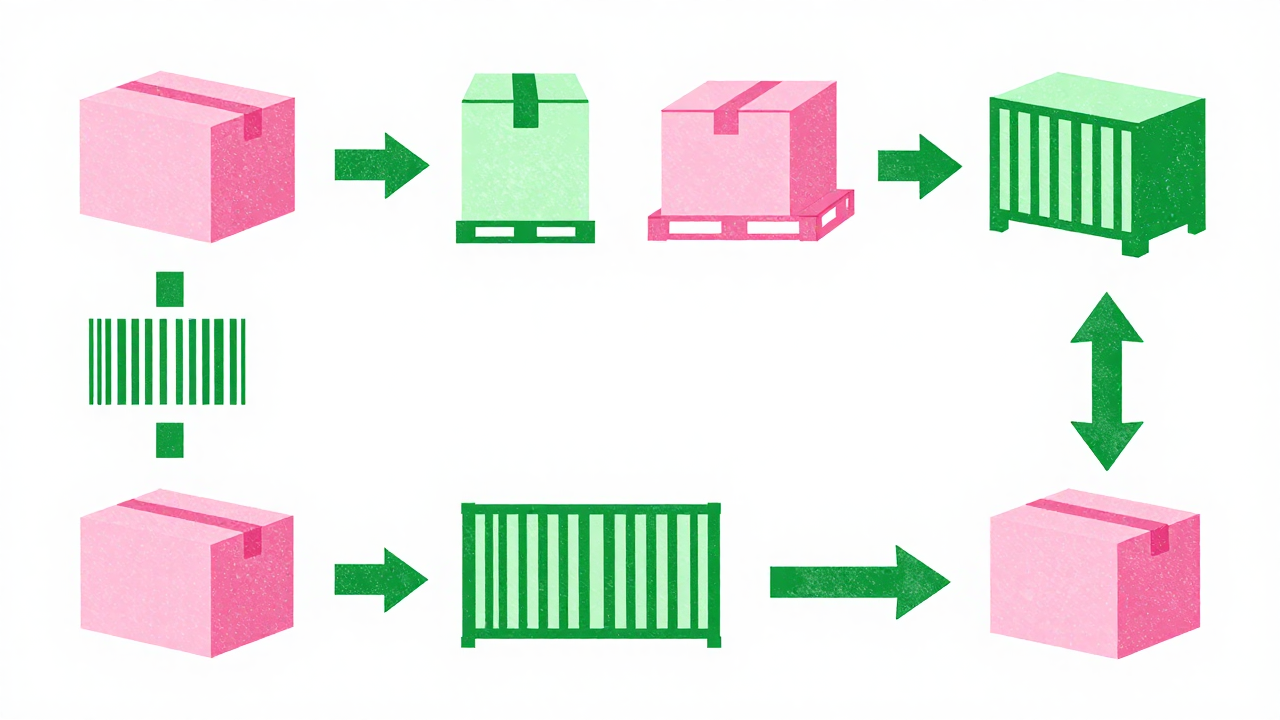
National Supply Chain Day, observed on April 29, is a special occasion dedicated to recognizing the vital role that supply chains play in our everyday lives. From the moment we place an online order to the time it arrives at our doorstep, countless individuals and processes work diligently behind the scenes to ensure that products are delivered efficiently and reliably. This day invites us to appreciate the complexity and importance of supply chains, which connect manufacturers, suppliers, and consumers across the globe.
On this day, businesses, educators, and communities come together to celebrate the professionals who keep the wheels of commerce turning. It's an opportunity to engage in discussions about the innovations and challenges within the supply chain industry, fostering a greater understanding of how these networks function. By shining a light on the hard work and dedication of those in this field, National Supply Chain Day encourages us to recognize the interconnectedness of our world and the essential services that support our daily needs. So, mark your calendars for April 29 and take a moment to acknowledge the unsung heroes in supply chain management!
History
National Supply Chain Day is observed annually on April 29, highlighting the crucial role that supply chains play in the global economy. The origins of this observance can be traced back to the increasing recognition of supply chain management as a vital component in business operations, particularly as globalization and technological advancements have transformed how goods and services are produced and delivered. While the specific inception date of National Supply Chain Day is not widely documented, it emerged in the early 21st century as organizations and professionals sought to raise awareness about the complexities and importance of supply chains.
Over time, National Supply Chain Day has evolved from a niche observance primarily celebrated within logistics and manufacturing sectors to a broader recognition that encompasses various industries. The day serves as an opportunity for businesses, educators, and professionals to engage in discussions about best practices, innovations, and challenges within supply chain management. Workshops, seminars, and educational programs are often organized on this day to foster collaboration and knowledge-sharing among stakeholders. This evolution reflects a growing understanding that effective supply chain strategies are essential not only for individual companies but also for economic stability and resilience.
Culturally, National Supply Chain Day emphasizes the interconnectedness of global economies and the importance of efficient supply chains in everyday life. From the food we eat to the products we use, supply chains are fundamental to ensuring that goods reach consumers in a timely manner. By celebrating this day, organizations and individuals highlight the hard work and dedication of supply chain professionals who navigate the complexities of logistics, procurement, and distribution. The observance encourages a greater appreciation for the intricate networks that support our modern way of life, as well as the continuous improvement and innovation necessary to meet evolving consumer demands.
In summary, observed on April 29, National Supply Chain Day serves as a reminder of the significance of supply chains in our interconnected world. Its origins rooted in the growing field of supply chain management, the day has evolved into a platform for education and collaboration, underscoring the cultural importance of efficient logistics and distribution systems. As businesses and individuals come together to celebrate this observance, they contribute to a deeper understanding of the challenges and opportunities that shape the future of global trade and commerce.