Last Day of Passover
Israel, United States, Canada, United Kingdom, France, Australia, South Africa, Argentina
About
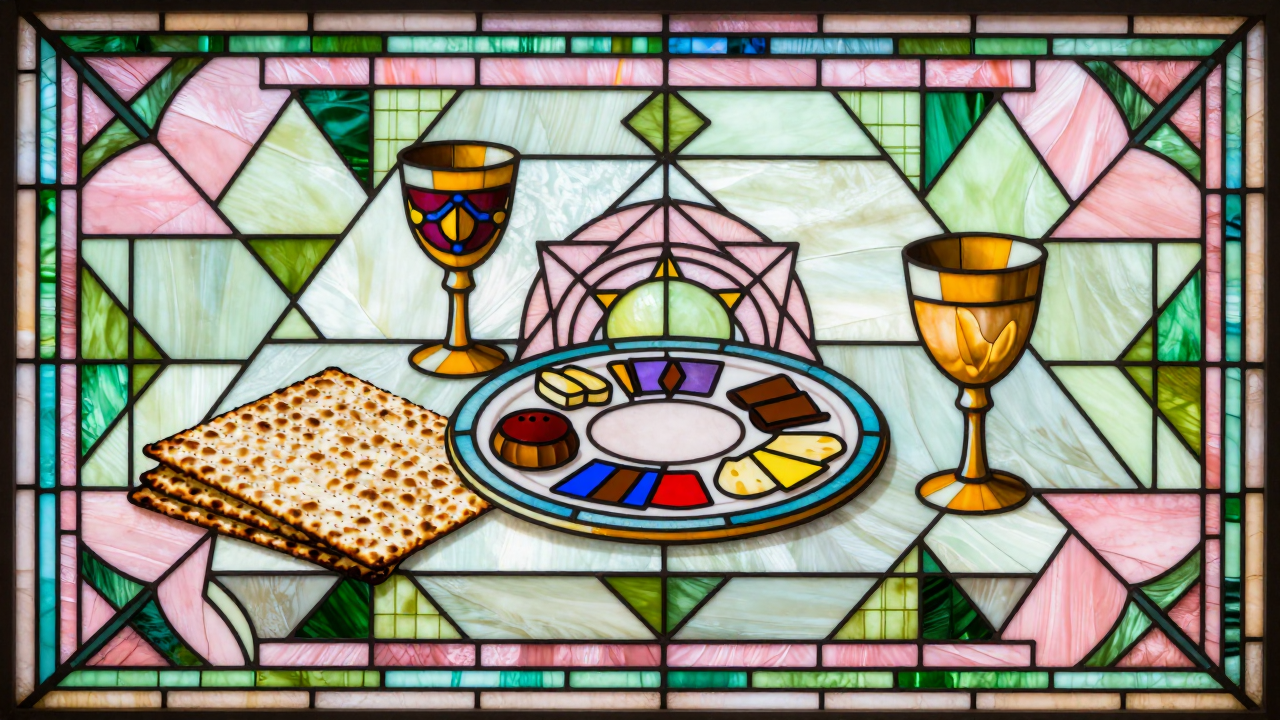
The Last Day of Passover, observed on April 29, marks the conclusion of a significant week in the Jewish calendar, celebrating the liberation of the Israelites from slavery in Egypt. This day is a time for reflection, community, and festivity as families come together to engage in age-old traditions that honor their heritage. As the holiday wraps up, many gather for a final festive meal known as the "Seudat Mashiach," a symbolic meal that connects the past with the promise of redemption and hope for the future.
As the final matzah is eaten and the last remnants of the Passover celebration are tucked away, the Last Day of Passover serves as a reminder of the resilience of the Jewish people and their enduring spirit. It is an opportunity to share stories, sing songs, and express gratitude for freedom and family. Whether through participating in communal prayers or enjoying a meal with loved ones, this day encapsulates the warmth and unity that Passover brings, leaving participants with cherished memories that resonate long after the holiday has ended.
History
The Last Day of Passover, observed on April 29, marks the conclusion of an eight-day festival that commemorates the Exodus of the Israelites from slavery in Egypt. The origins of Passover are rooted in the biblical narrative found in the Book of Exodus, where the story recounts the ten plagues inflicted upon the Egyptians and the liberation of the Israelites. The festival is rich with traditions, including the Seder meal, which features symbolic foods and the retelling of the Exodus story. The Last Day of Passover, also known as Acharon Shel Pesach, serves as a significant closing ceremony for the holiday, emphasizing themes of freedom, redemption, and divine intervention.
As the observance of Passover evolved over time, various customs and practices developed within the Jewish community. The Last Day of Passover is marked by special prayers and rituals, including the recitation of the Hallel, a series of psalms expressing praise and gratitude to God. In some Jewish traditions, it is customary to hold communal meals or gatherings to celebrate the end of the festival. The transition from the more solemn observance of the first days of Passover to the joy and festivity of the concluding days reflects a broader evolution in the way Jewish holidays are celebrated, integrating community and familial bonds.
Culturally, the Last Day of Passover holds profound significance within Jewish tradition. It is a time for reflection on the importance of freedom and liberation, not only in a historical context but also in contemporary society. The themes of Passover encourage individuals to consider their own personal journeys toward emancipation from various forms of bondage, be they physical, emotional, or spiritual. The observance fosters a sense of collective identity and continuity, connecting modern Jews to their ancestors who faced adversity and overcame it through faith and resilience.
In addition to its historical roots, the Last Day of Passover also serves as an opportunity for communal celebration, often featuring festive meals that include the concluding rituals of the holiday. For many, it is a time to gather with family and friends, reinforcing cultural ties and shared values. As it is observed on April 29, the Last Day of Passover encapsulates a moment of transition—a closing chapter that not only honors the historical narrative of the Jewish people but also invites reflection on the ongoing journey toward freedom and self-actualization.