National Stay Out of the Sun Day
United States
About
National Stay Out of the Sun Day is observed on July 3, encouraging everyone to take a break from direct sunlight and make sun safety a priority. Just before the busy Independence Day celebrations and the heart of summer, this observance offers a timely reminder to protect your skin and body from excessive heat and UV exposure.
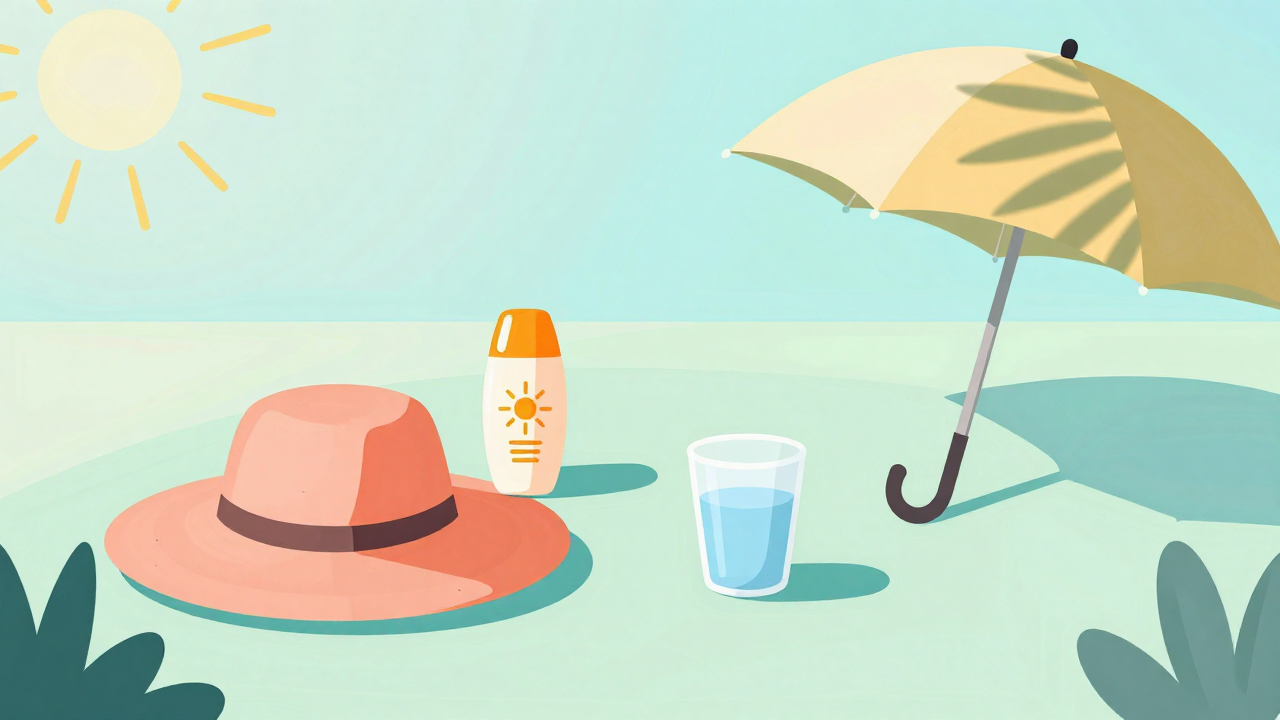
Celebrate by enjoying shaded spaces, staying hydrated, wearing protective clothing and a wide-brimmed hat, and applying sunscreen when spending time outdoors. Whether you relax indoors with a favorite movie or settle beneath a tree with a good book, National Stay Out of the Sun Day is a friendly reminder that summer fun is even better when paired with smart, healthy habits.
History
**National Stay Out of the Sun Day**, observed annually on **July 3**, is a lighthearted reminder to limit excessive sun exposure during one of the year’s most active outdoor periods. The observance is especially timely in the United States because it falls immediately before Independence Day, when people commonly attend parades, festivals, barbecues, sporting events, and other activities that may keep them outdoors for extended periods.
The precise founder and date of origin of National Stay Out of the Sun Day are not clearly documented. It is generally presented as an informal awareness observance rather than a federal holiday or an officially established national day created by legislation. Its message reflects a broader public-health concern that became increasingly prominent during the twentieth century: repeated exposure to ultraviolet radiation can cause sunburn, premature skin aging, eye damage, and increase the risk of skin cancer.
Over time, the observance has come to emphasize practical sun-safety habits rather than complete avoidance of daylight. On July 3, health-conscious guidance commonly includes seeking shade, wearing lightweight protective clothing and a wide-brimmed hat, using sunglasses that block ultraviolet rays, applying broad-spectrum sunscreen, and drinking adequate water. These recommendations mirror the development of modern sun-protection campaigns, which have encouraged people to treat shade and protective clothing as important complements to sunscreen.
Culturally, National Stay Out of the Sun Day offers a playful counterpoint to the outdoor celebrations associated with early July. Its wording is intentionally memorable, but its underlying purpose is serious: to encourage people to pause, cool down, and recognize the potential effects of excessive ultraviolet exposure. In that sense, the observance connects seasonal recreation with preventive health, reminding celebrants on **July 3** that enjoying summer safely includes taking regular breaks from direct sunlight.