American Redneck Day
United States
About
American Redneck Day, observed on **July 3**, is a lighthearted occasion celebrating rural American culture, community spirit, and the down-to-earth traditions associated with country living. It offers an opportunity to appreciate the humor, resourcefulness, hard work, and strong sense of independence often connected with “redneck” identity.
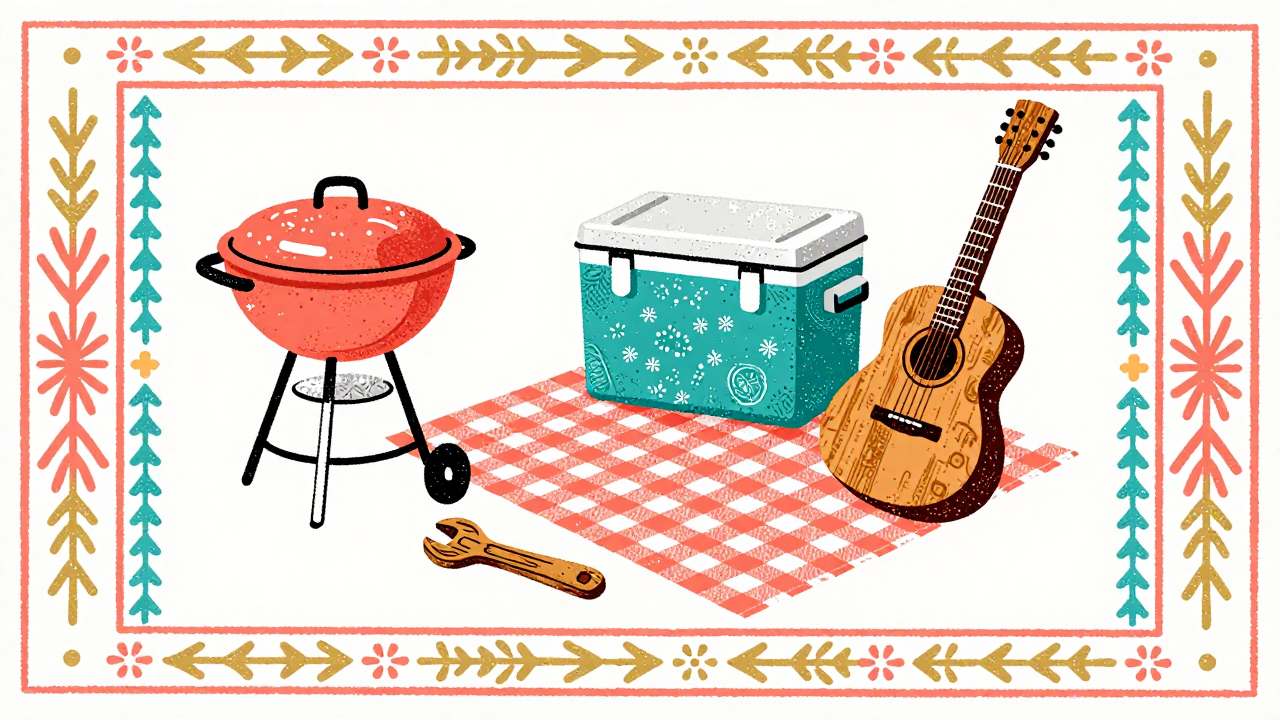
People may mark the day by enjoying outdoor activities, sharing barbecue with family and friends, listening to country music, or embracing a relaxed, homespun atmosphere. Above all, American Redneck Day is an invitation to celebrate individuality, local pride, and the simple pleasures of spending time with the people who matter most.
History
American Redneck Day is an informal cultural observance held annually on **July 3**, immediately before Independence Day in the United States. Unlike federal holidays or long-established religious festivals, it does not appear to have a single universally recognized founder, legal designation, or deeply documented origin story. Modern holiday references, including National Today’s account, present it as a celebration of “redneck” identity, humor, rural life, and the distinctive traditions associated with working-class communities in the American South and other rural parts of the country.
The word *redneck* has a complicated history. One commonly cited explanation connects it to the sunburned necks of agricultural and outdoor laborers, while other historical uses linked the term to political and labor movements. Over time, it became a broad label applied to rural white Southerners and, in some contexts, was used as an insult associated with poverty, limited education, or social backwardness. Many people later reclaimed the word as a marker of pride in self-reliance, plain speaking, practical skills, country music, outdoor recreation, and close-knit community life. American Redneck Day reflects that more celebratory and self-identifying use, although the term can still be sensitive and is not embraced by everyone.
As the observance developed through popular culture and online holiday calendars, it came to emphasize lighthearted expressions of rural Americana rather than a formal historical commemoration. Activities associated with July 3 may include wearing country-themed clothing, listening to country or Southern rock music, preparing barbecue and other regional foods, enjoying outdoor gatherings, and sharing jokes or images centered on rural life. These customs are informal, and participation varies widely; there is no official program or required way to observe the day.
The timing of American Redneck Day also places it within the broader atmosphere of the Independence Day weekend. That setting can connect the observance with ideas of American identity, freedom, regional pride, and individualism, while also highlighting the cultural diversity within the United States. Its significance therefore lies less in a documented founding event than in its role as a contemporary, humorous observance that recognizes—and sometimes playfully stereotypes—the traditions and self-image associated with rural American communities.