National Sage Day
United States
About
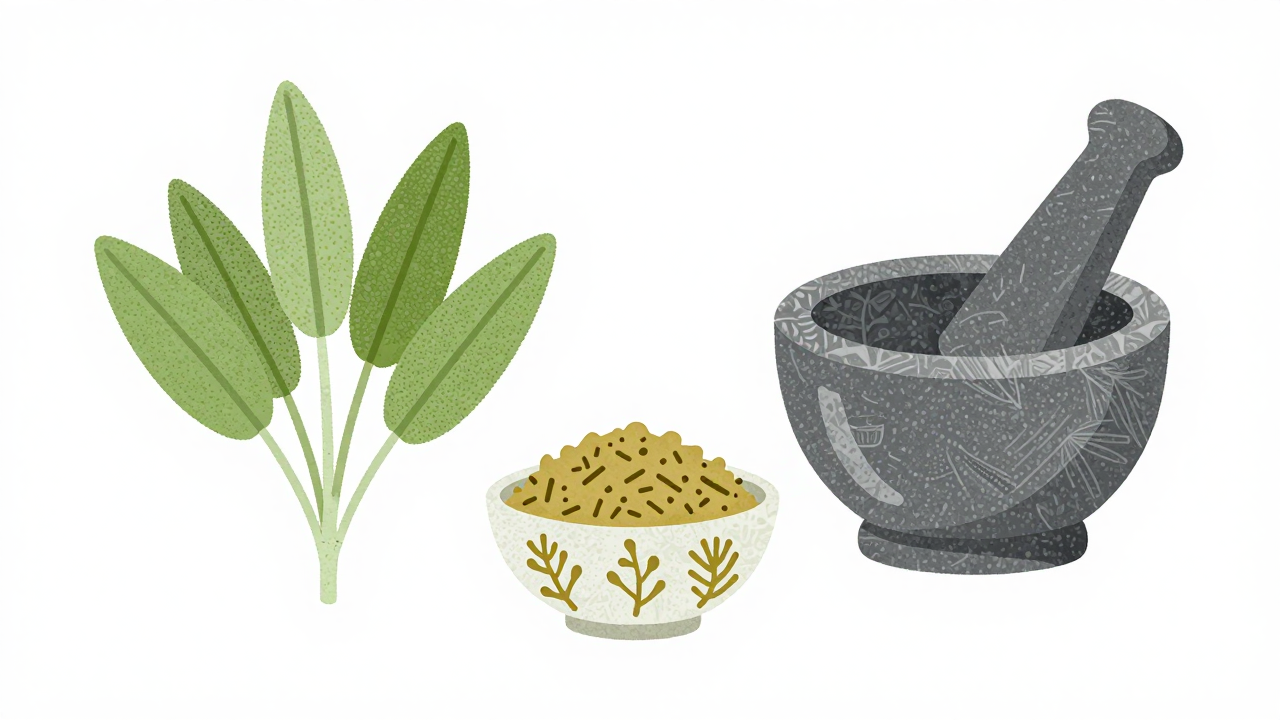
March 1 marks the delightful celebration of National Sage Day, a special occasion dedicated to the versatile and aromatic herb known as sage. This day invites us to explore the many culinary and medicinal uses of sage, a plant that has been cherished for centuries across various cultures. Recognized for its earthy flavor, sage is a staple in many kitchens, often featured in dishes like stuffing, sausages, and roasted meats. Beyond its culinary appeal, sage has a rich history in traditional medicine, where it has been used for its potential health benefits, ranging from improving digestion to enhancing memory.
On National Sage Day, enthusiasts and home cooks alike are encouraged to embrace the flavors and benefits of this remarkable herb. It’s a perfect opportunity to experiment with sage in your cooking or to learn about its historical significance and uses. Whether you’re adding fresh sage to a savory dish, brewing a soothing tea, or even using it in a homemade remedy, this day is all about celebrating the wonderful qualities of sage. So, gather your friends and family, and take a moment on March 1 to honor this beloved herb in your own unique way!
History
National Sage Day is celebrated annually on March 1, a day dedicated to the herb sage, known for its culinary and medicinal uses. The observance has its roots in ancient traditions where sage was revered not only for its flavor but also for its purported healing properties. Historically, sage has been associated with wisdom, and its use dates back to ancient civilizations such as the Romans and Greeks, who often believed it could enhance mental clarity and longevity.
Over time, the significance of sage evolved, particularly during the Middle Ages, when it was considered a sacred herb. Monks cultivated it in their gardens, and it became a staple in various remedies for ailments ranging from digestive issues to fevers. The phrase "Why should a man die who has sage in his garden?" reflects the herb’s esteemed status during this era. As culinary practices diversified, sage found its way into numerous dishes, especially in Mediterranean and European cuisines, solidifying its place in the culinary world.
The establishment of National Sage Day on March 1 serves as a reminder of the herb's rich history and its ongoing importance in both cooking and holistic health practices. As culinary trends have shifted towards natural and organic ingredients, sage has regained popularity, celebrated not only for its flavor in dishes like stuffing and sauces but also for its health benefits, including anti-inflammatory and antioxidant properties. The observance encourages individuals to explore the versatility of sage in their kitchens and gardens, promoting an appreciation for the herb’s contributions to culture and cuisine.
Culturally, National Sage Day has become an opportunity to reflect on sustainable cooking practices and the importance of herbs in our diets. It invites people to reconnect with traditional methods of preparation and to learn about the historical significance of herbs in various cultures. This day is not just about celebrating a single herb; it’s a nod to the broader culinary heritage that emphasizes natural ingredients and the wisdom passed down through generations. Celebrating National Sage Day on March 1 allows enthusiasts to share recipes, gardening tips, and knowledge about the herb, fostering a community that values both heritage and health.