National Rubber Ducky Day
United States
About
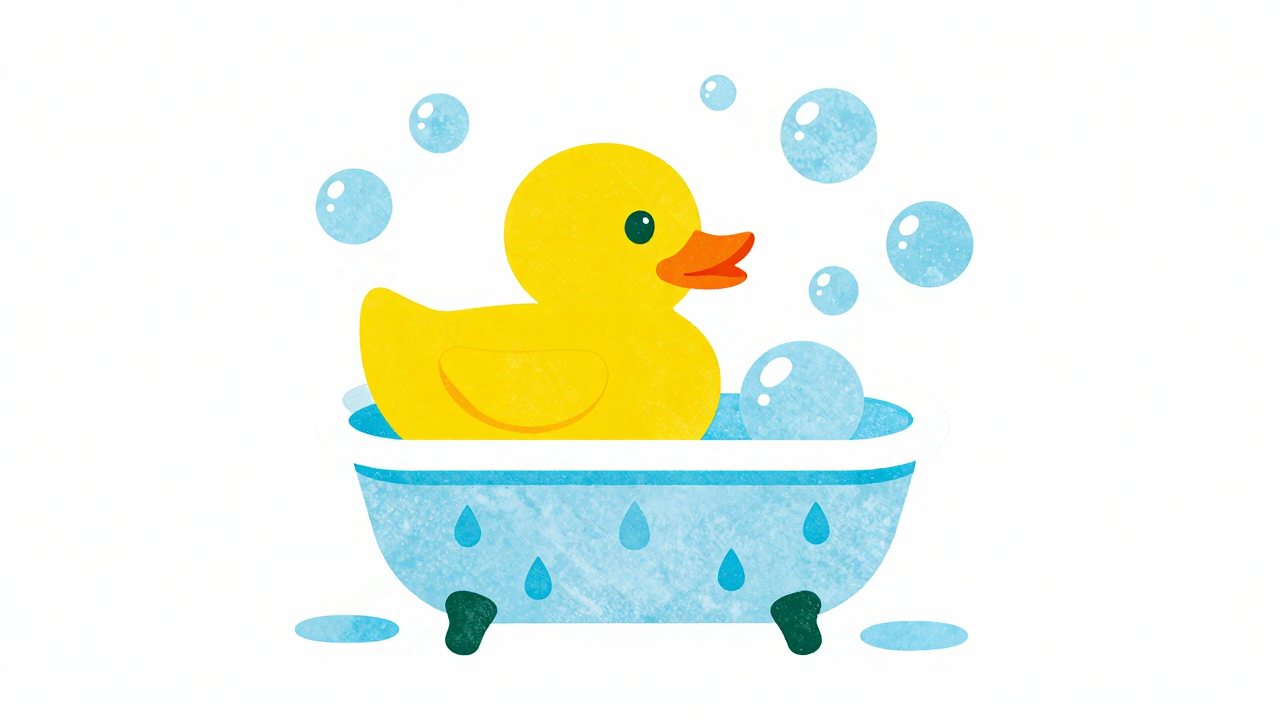
On January 13, we celebrate the delightful and whimsical National Rubber Ducky Day! This charming observance honors the beloved bath toy that has brought joy to countless children and adults alike. The rubber ducky, with its bright yellow hue and cheerful quack, has become an iconic symbol of childhood and playfulness. Whether floating in a bathtub, adorning a child's nursery, or serving as a nostalgic reminder of simpler times, the rubber ducky has a special place in the hearts of many.
National Rubber Ducky Day encourages us to embrace our inner child and find joy in the little things. It’s a perfect opportunity to relive those playful moments, perhaps by taking a leisurely bath with a rubber ducky or incorporating one into a fun family activity. You can even share photos of your favorite rubber ducky on social media, spreading smiles and laughter. So, mark your calendars for January 13 and join in the celebration of this endearing little toy that continues to make waves in our lives!
History
National Rubber Ducky Day is celebrated annually on January 13, a day dedicated to the beloved bath toy that has captured the hearts of children and adults alike. The rubber duck's origins can be traced back to the late 19th century when they were originally made from hard rubber. These early versions were not designed for floating but rather as chew toys for infants. Over time, the design evolved, and by the mid-20th century, manufacturers began producing softer, more buoyant versions that could float on water, making them ideal for bath time.
The cultural significance of the rubber duck began to grow in the 1970s, largely due to the popular children's television show "Sesame Street." The character Ernie famously sang the song "Rubber Duckie," which not only showcased the delightful toy but also solidified its status as a symbol of childhood joy and innocence. This pop culture phenomenon contributed to an increase in the rubber duck's popularity, leading to various designs and characters being created, from cartoonish figures to themed ducks representing holidays and professions.
As National Rubber Ducky Day gained traction, it became a playful observance that encourages people to reflect on the simple joys of childhood. Celebrations often involve bath time fun for kids, where families might introduce new rubber duck designs or organize themed parties. The day serves as a reminder of the importance of play and creativity, emphasizing how a simple toy can spark joy and imagination.
Over the years, National Rubber Ducky Day has also found its place in social media, with enthusiasts sharing photos and stories of their favorite rubber ducks. This digital engagement has helped to broaden the observance's reach, connecting people through shared experiences and nostalgia. By celebrating this whimsical holiday every January 13, individuals honor a cherished toy that has become a staple in many households, reinforcing the idea that happiness often comes from the simplest pleasures.