Calennig
United Kingdom
About
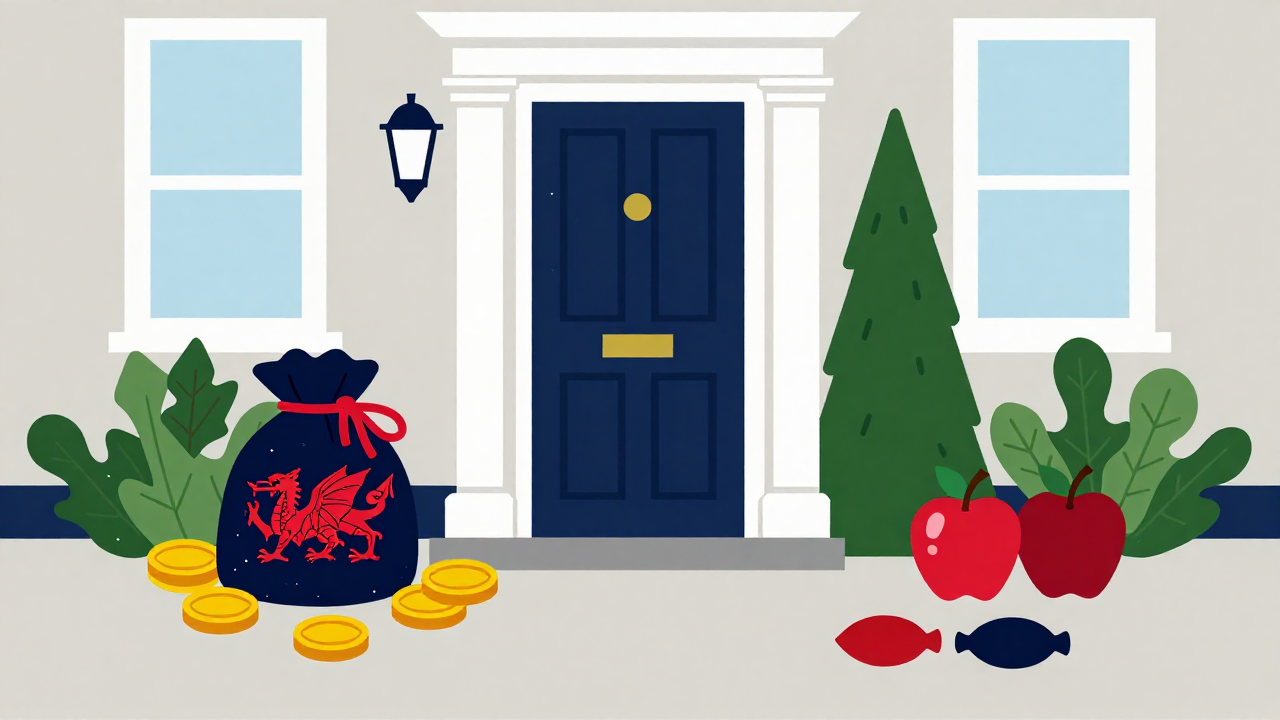
Calennig, celebrated on January 13, is a delightful Welsh tradition that ushers in the New Year with joy and good fortune. This enchanting occasion is marked by the custom of children going from house to house, offering wishes for prosperity and happiness in exchange for treats, much like the concept of Christmas caroling. The name "Calennig" itself translates to "New Year’s gift" or "first gift," symbolizing the hope and positivity that the new year brings.
As families and communities come together to partake in this vibrant celebration, they often decorate a decorated branch, known as the "calennig," adorned with symbols of good luck like evergreen leaves and bright fruits. The atmosphere is filled with laughter and cheer as the merriment of the day spreads warmth and connection among neighbors. So, as January 13 approaches, embrace the spirit of Calennig by sharing kind wishes, celebrating with loved ones, and fostering a sense of community that reflects the heart of this charming Welsh observance.
History
Calennig, celebrated on January 13, is a traditional Welsh observance marking the arrival of the new year according to the old Julian calendar, which was used before the Gregorian calendar was adopted. The name "Calennig" is derived from the Welsh word for "New Year" or "New Year’s gift," reflecting its origins as a time of celebration and festivity. In medieval Wales, this day was significant not just for marking the passing of one year into another, but also for its agricultural implications, as it heralded the start of the farming cycle.
Historically, Calennig was characterized by the custom of "calennig" or "giving gifts." Children would go door-to-door, singing songs and offering small gifts, usually made from fruit or vegetables, in exchange for treats or money. This practice was akin to modern-day caroling, where the act of singing and sharing goodwill was believed to bring blessings for the coming year. The tradition also involved the decoration of a wooden or crafted figure, often resembling a head, which was adorned with greenery and sometimes lit to ward off evil spirits, emphasizing the importance of protection and prosperity in the new year.
As time progressed, the observance of Calennig began to evolve. While the core elements of gift-giving and merriment remained, the celebration became intertwined with other local customs and festivities. The influence of Christianity also led to changes, as the day became associated with the feast days of various saints. However, many of the original pagan elements, such as the emphasis on fertility and the return of light, persisted, blending with Christian traditions to create a unique cultural tapestry.
Culturally, Calennig holds significant importance in Welsh heritage. It serves as a reminder of the rich history and customs that define Welsh identity. The celebration fosters community spirit, as neighbors come together to share food, songs, and stories, reinforcing social bonds. Today, while some traditional practices may have diminished, there is a renewed interest in Calennig and similar local customs as part of a broader movement to preserve cultural heritage and promote regional identities. Thus, January 13 remains a day of joy and reflection, celebrating both the past and the promise of the year ahead.