National Prairie Day
United States
About
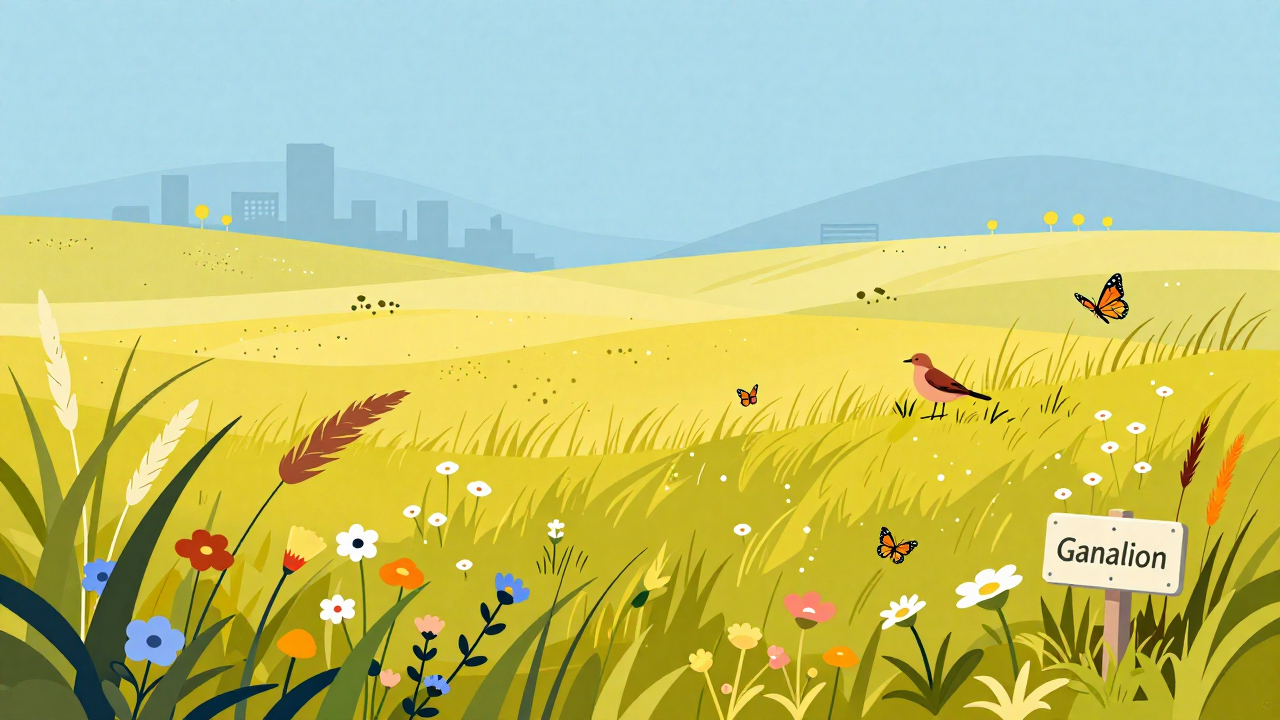
National Prairie Day, observed on June 5, is a heartfelt celebration of the rich biodiversity and ecological significance of prairies across North America. These sprawling grasslands are not just picturesque landscapes; they are vibrant ecosystems that support a wide array of wildlife and plant species. On this special day, we take a moment to appreciate the beauty and importance of prairies, while also raising awareness about the need to protect and preserve these vital habitats.
As you step outside on June 5, consider taking a stroll through your local prairie or a nearby nature reserve. This is the perfect opportunity to connect with the great outdoors, observe the unique flora and fauna, and even engage in activities like birdwatching or wildflower identification. National Prairie Day encourages everyone to foster a deeper understanding of these ecosystems, inspiring a sense of stewardship and responsibility toward the environment. So gather your friends and family, and celebrate the magic of prairies while advocating for their conservation—because every little effort counts in preserving these natural treasures for generations to come!
History
National Prairie Day, observed on June 5, is a celebration dedicated to the appreciation and preservation of prairie ecosystems across the United States. The observance serves to raise awareness about the significance of prairies, which are vital habitats for a diverse range of flora and fauna, as well as crucial for environmental health and agricultural sustainability. The day highlights the ecological importance of these grasslands, which have been historically overlooked compared to other landscapes like forests and wetlands.
The origins of National Prairie Day can be traced back to grassroots movements in the late 20th century, when environmentalists began advocating for the protection of North America's prairie ecosystems. These vast grasslands, which once covered millions of acres, faced significant threats from urban development, agriculture, and invasive species. In response to these challenges, various organizations and conservation groups rallied to promote awareness and conservation efforts. National Prairie Day was formally established to coincide with the growing recognition of the need to protect these unique ecosystems and to celebrate their natural beauty.
Over time, National Prairie Day has evolved into a platform for education and engagement. Schools, community organizations, and environmental groups participate by hosting events such as guided nature walks, educational workshops, and volunteer restoration projects. These initiatives aim to connect people with the natural world while fostering a sense of stewardship for prairies. The day also serves as an opportunity to promote local biodiversity and encourage sustainable practices that benefit both the environment and local economies.
Culturally, National Prairie Day underscores the historical significance of prairies to Indigenous communities and early settlers alike. These landscapes have long been integral to the cultural identity and livelihood of numerous tribes, who relied on prairies for sustenance, traditional practices, and spiritual connection. The observance encourages reflection on this heritage and the importance of preserving these ecosystems for future generations. By marking June 5 as National Prairie Day, individuals and communities are invited to honor these vital landscapes and take action to protect and restore them.