Khordad National Uprising in Iran
Iran
About
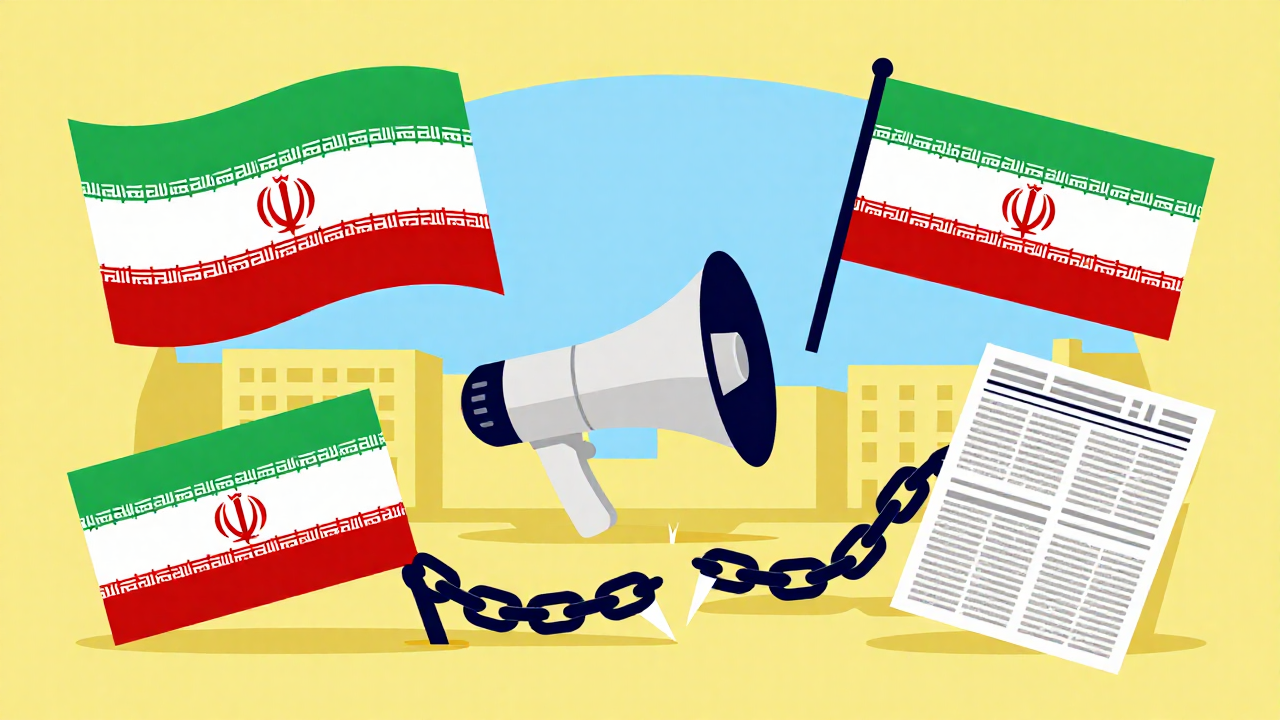
On June 5, the Khordad National Uprising in Iran is commemorated, marking a pivotal moment in the nation's history. This observance celebrates the courage and resilience of the Iranian people during a time of significant political upheaval. The uprising, which took place in 1963, was a crucial step in the struggle against oppressive regimes and highlighted the desire for social and political reforms. It serves as a reminder of the sacrifices made by countless individuals who stood up for their rights and the future of their country.
As communities come together to honor the legacy of the Khordad National Uprising, the day is filled with reflection, educational activities, and discussions about the importance of civil liberties and the pursuit of justice. People engage in storytelling and share experiences that underline the value of unity and perseverance in the face of adversity. This observance is not just a remembrance of past events; it also inspires current and future generations to advocate for positive change and uphold the principles of freedom and democracy. Through gatherings, art, and dialogue, the spirit of the uprising lives on, reminding everyone of the power of collective action and hope.
History
The Khordad National Uprising in Iran, observed on June 5, commemorates a pivotal moment in Iranian history that took place in 1963. This uprising was a response to the Shah of Iran, Mohammad Reza Pahlavi's, autocratic rule and his attempts to modernize the country through Western influence, which many Iranians perceived as a betrayal of their cultural and religious values. The immediate catalyst for the uprising was the Shah's announcement of a series of reforms known as the White Revolution, which included land reforms and the extension of women's rights. These changes, though intended to modernize Iran, were met with widespread discontent, particularly among conservative religious leaders and their followers.
The unrest began when a prominent cleric, Ayatollah Ruhollah Khomeini, publicly criticized the Shah's policies. His arrest on June 3, 1963, sparked massive protests across the nation. On June 5, demonstrators took to the streets in a show of defiance against the regime. The government's brutal response to the protests, which included the use of military force and significant loss of life, only fueled further outrage and solidified opposition to the Shah's regime. This uprising is often seen as a precursor to the larger Iranian Revolution of 1979, which ultimately led to the overthrow of the monarchy and the establishment of the Islamic Republic of Iran.
Over the years, the Khordad National Uprising has evolved into a significant event in Iran's collective memory. It serves as a symbol of resistance against oppression and has become an annual observance where Iranians reflect on the struggle for political freedom and social justice. The event is marked by various activities, including rallies and speeches that honor the sacrifices made during the uprising. This observance has gained particular importance in the context of ongoing political repression and the fight for civil rights in Iran.
Culturally, the Khordad National Uprising resonates deeply within Iranian society. It highlights the interplay between modernity and tradition, as well as the ongoing tensions between secularism and religious conservatism. The uprising is often invoked in discussions about democracy and human rights in Iran, making it a cornerstone of contemporary Iranian identity. As such, June 5 serves not only as a reminder of the past but also as a rallying point for those advocating for change in the present and future.