National Periodic Table Day
United States, Canada, United Kingdom, Australia, India
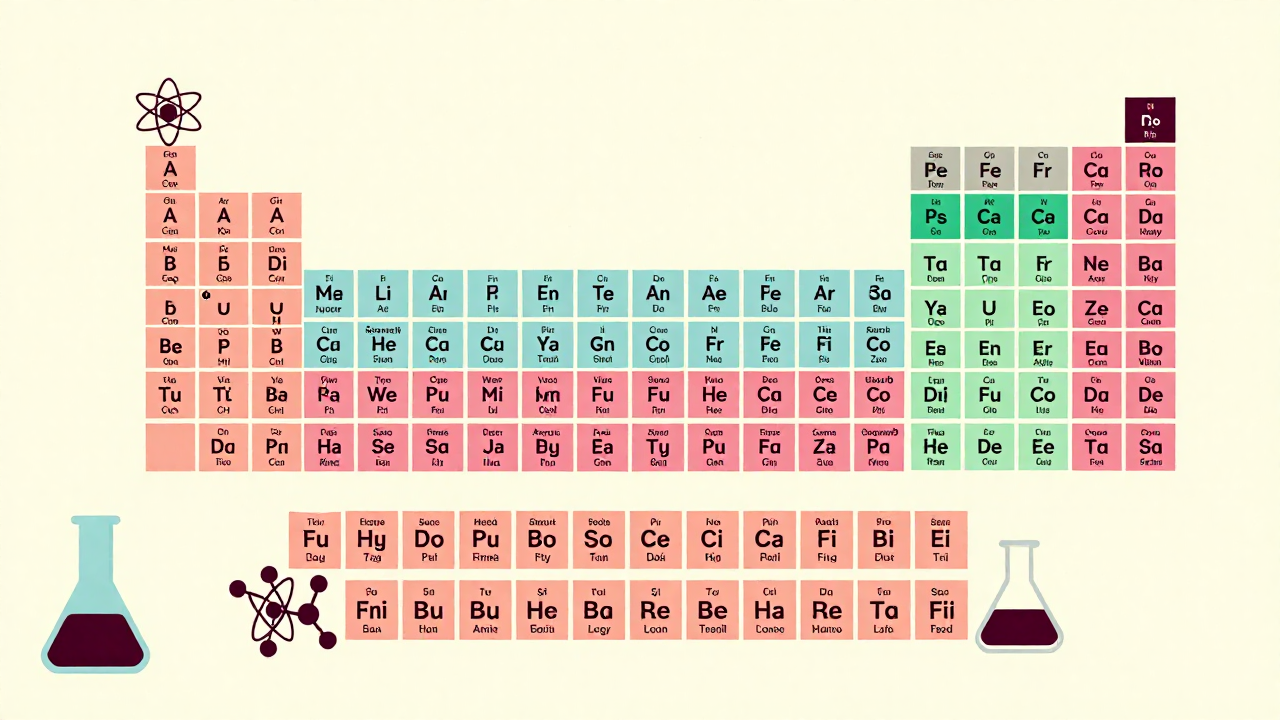
About
National Periodic Table Day, celebrated on February 7, is a delightful occasion that honors one of the most significant achievements in the field of science: the creation of the periodic table of elements. This remarkable table, first organized by Dmitri Mendeleev in 1869, serves as a crucial tool for chemists and students alike, providing a systematic way to understand the properties and relationships of all known elements. On this day, science enthusiasts and learners come together to appreciate the beauty and order that the periodic table brings to the world of chemistry.
As we mark National Periodic Table Day, it’s a fantastic opportunity to delve into the fascinating stories behind the elements that make up our universe. Whether you're a student, an educator, or simply a curious individual, take some time to explore the elements that surround us in everyday life. From the oxygen we breathe to the gold in our jewelry, each element has its own unique characteristics and applications. So gather your friends and family, engage in fun experiments, or even host a trivia night centered around this scientific marvel—there's no better way to celebrate the periodic table than by immersing ourselves in its wonders!
History
National Periodic Table Day is celebrated annually on February 7, honoring one of the most significant achievements in the field of chemistry—the creation of the periodic table of elements. This observance commemorates the birth of Dmitri Mendeleev, a Russian chemist who is credited with developing the first widely recognized periodic table in 1869. Mendeleev’s work organized the known elements based on their atomic weights and properties, laying the groundwork for the modern periodic table that is widely used in education and research today.
The origins of National Periodic Table Day stem from the need to recognize the importance of the periodic table in science and its role in understanding the building blocks of matter. The periodic table not only categorizes elements but also provides invaluable insights into their chemical behavior and relationships. As knowledge of elements expanded, so too did the structure of the table. Mendeleev's original table has evolved significantly, incorporating discoveries of new elements and adjustments in the arrangement based on atomic number rather than atomic weight, as later proposed by scientists like Henry Moseley.
Over the years, National Periodic Table Day has grown in cultural significance, particularly in educational contexts. Schools and institutions often use this day as an opportunity to engage students with interactive lessons about chemistry and the periodic table. Celebrations may include activities such as science fairs, quizzes, and experiments that highlight the elements and their interactions. This observance serves not just as a tribute to Mendeleev but also emphasizes the continuous exploration of chemistry and its implications in everyday life, from medicine to technology.
As we celebrate National Periodic Table Day on February 7 each year, it serves as a reminder of the importance of scientific inquiry and the foundational role that the periodic table plays in advancing our understanding of the natural world. The observance encourages both appreciation and curiosity about the elements that make up everything around us, from the air we breathe to the materials we use, fostering a deeper respect for the science that underpins our daily lives.