National Peanut Butter and Jelly Day
United States
About
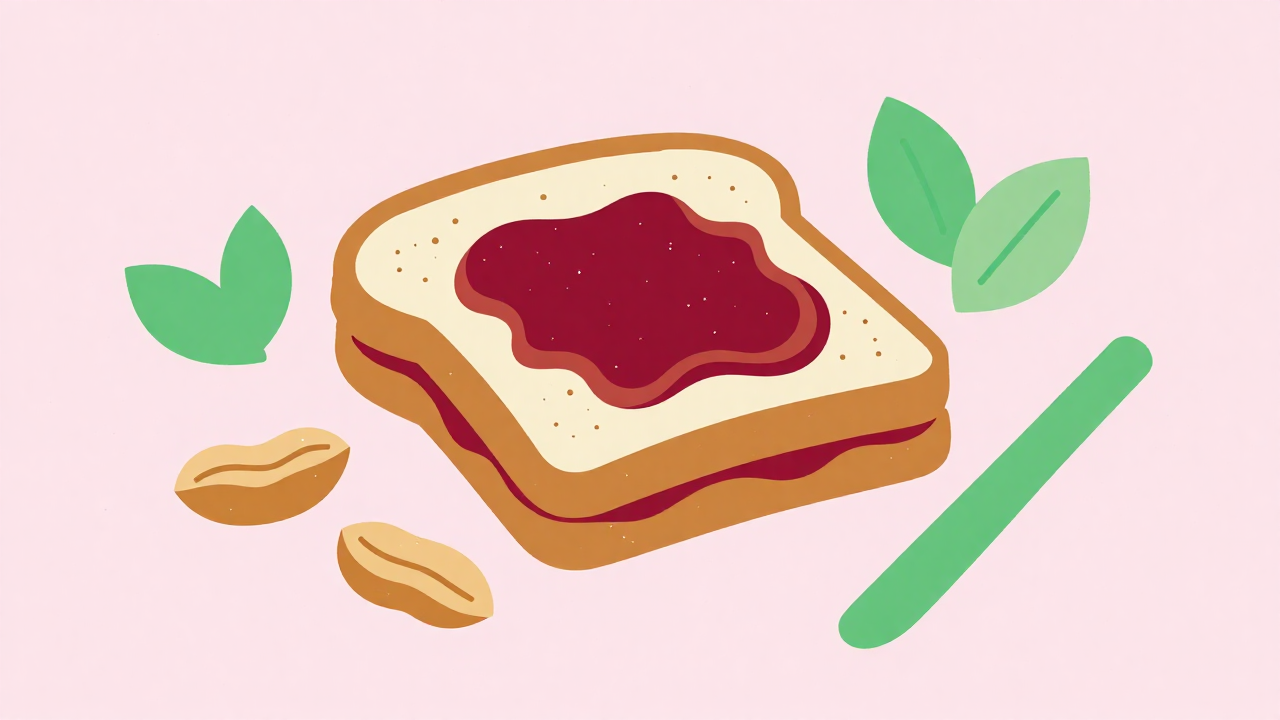
Every year on April 2, food lovers across the nation come together to celebrate a timeless classic: National Peanut Butter and Jelly Day. This delightful observance pays homage to the iconic peanut butter and jelly sandwich, a beloved staple that has graced lunchboxes and kitchen tables for generations. Whether you prefer creamy or crunchy peanut butter paired with grape, strawberry, or raspberry jelly, this day invites everyone to indulge in the simple joy of this delicious duo.
National Peanut Butter and Jelly Day is not just about savoring a sandwich; it’s a celebration of creativity and nostalgia. Many people have fond memories of making these sandwiches with family, and the combinations are endless—from adding bananas or honey to trying out unique nut butters. On this day, families and friends are encouraged to whip up their favorite versions, share recipes, and even experiment with new flavors. So grab some bread, your favorite spreads, and maybe a glass of milk, and join in the fun on April 2 as we honor one of the most cherished comfort foods in American history!
History
National Peanut Butter and Jelly Day is celebrated annually on April 2, recognizing the beloved sandwich combination that has become a staple in many households across the United States. The origins of this observance are somewhat nebulous, as there is no definitive record of when it was first established. However, the peanut butter and jelly sandwich itself has a rich history that dates back to the early 20th century. Peanut butter became widely popular in the U.S. after its commercial introduction in the late 1800s, while jelly, made from fruits, has been enjoyed for centuries. The combination of the two likely emerged during the 1930s, as recipes began to appear in cookbooks and magazines, particularly during the Great Depression when affordable meals were essential.
Over time, the peanut butter and jelly sandwich gained immense popularity, especially among children. By the 1940s, it was a common item in school lunches, contributing to its cultural significance as a symbol of American childhood. The sandwich has also appeared in various forms, with differing types of bread and spreads, reflecting regional preferences and innovations. The celebration of National Peanut Butter and Jelly Day on April 2 serves to honor not only the sandwich itself but also the nostalgic memories it evokes for many people, connecting generations through a simple yet satisfying meal.
The cultural significance of National Peanut Butter and Jelly Day extends beyond just the enjoyment of food; it highlights themes of comfort, simplicity, and creativity in cooking. This day encourages individuals and families to come together and share meals, fostering a sense of community. Moreover, it allows for creative variations, as people experiment with different types of nut butters and jellies, appealing to diverse dietary preferences and tastes. In essence, the observance of National Peanut Butter and Jelly Day on April 2 celebrates a quintessential part of American culinary tradition while inviting people to cherish and innovate upon this classic sandwich.