International Fact-Checking Day
United States, Canada, United Kingdom, Australia, Germany, France, India
About
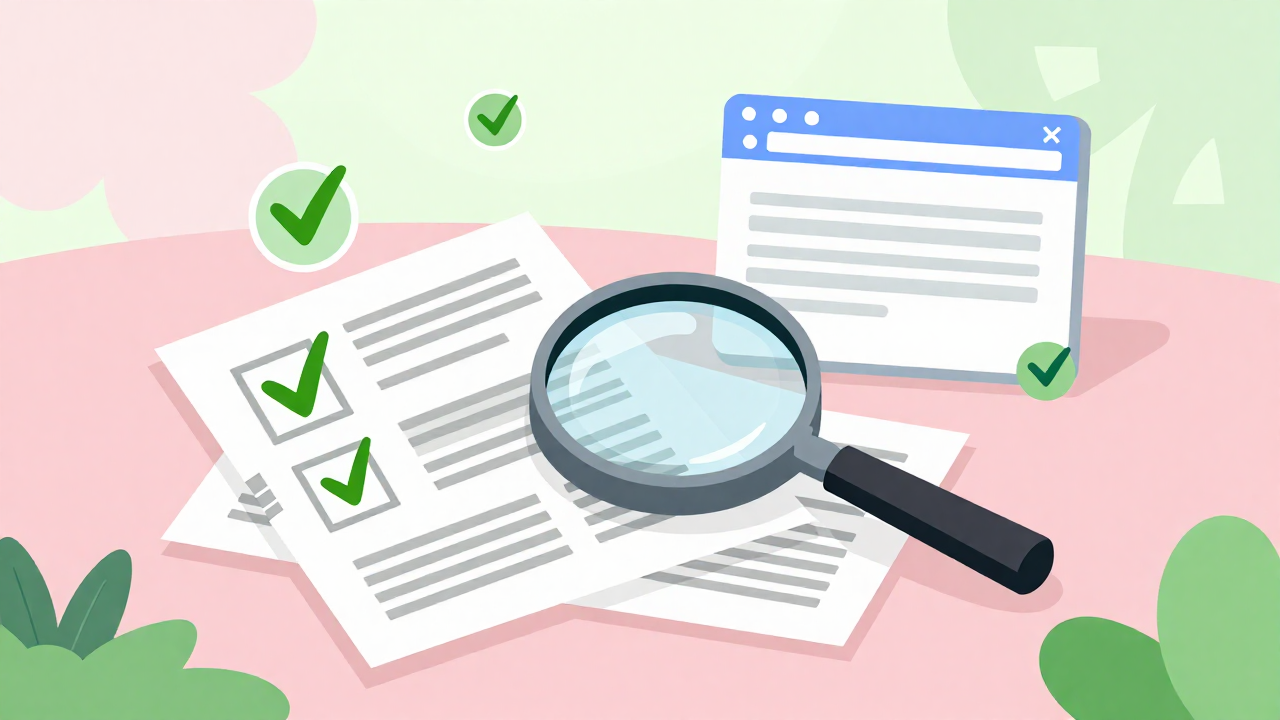
International Fact-Checking Day, observed on April 2, is a vital reminder in our ever-evolving digital landscape of the importance of verifying information before sharing it. As misinformation spreads rapidly through social media and various online platforms, this day encourages individuals, journalists, and organizations to commit to truthfulness and transparency. It serves as a call to action to critically assess the information we encounter and to foster a culture of accountability in the way news and facts are communicated.
This observance celebrates the invaluable work of fact-checkers who tirelessly sift through claims, scrutinizing their accuracy and helping to uphold the integrity of information. By participating in International Fact-Checking Day, we can all contribute to a more informed society. Whether it's by sharing resources on how to fact-check effectively or engaging in conversations about the significance of truth in media, this day invites us to reflect on our roles as responsible consumers and disseminators of information. Let's come together on April 2 to champion the truth and empower ourselves and others with the facts!
History
International Fact-Checking Day is observed annually on April 2, a date chosen to coincide with the anniversary of the founding of the International Fact-Checking Network (IFCN) in 2015. The day was established to promote the importance of fact-checking and to raise awareness about misinformation in the digital age. The IFCN, part of the Poynter Institute, was created to support fact-checkers around the world and enhance the credibility of factual information, especially in an era where the proliferation of false narratives can easily mislead the public.
The initiative for International Fact-Checking Day emerged in response to the growing challenges posed by misinformation, especially on social media platforms. As online communication expanded, so did the spread of false information, making it increasingly difficult for individuals to discern fact from fiction. By designating a specific day for this observance, the IFCN aimed to provide a platform for fact-checkers to collaborate, share resources, and promote best practices. The first International Fact-Checking Day was marked by a series of events, including workshops and discussions on how to effectively combat misinformation.
Over the years, International Fact-Checking Day has evolved to include a broader range of activities that engage not only professional fact-checkers but also educators, journalists, and the general public. The observance encourages individuals to critically evaluate the information they encounter and to develop skills that promote media literacy. Events such as webinars, social media campaigns, and community discussions have become common features, allowing for a global dialogue about the significance of verifying information in various contexts.
Culturally, April 2 serves as a reminder of the ongoing struggle against misinformation and the vital role that fact-checking plays in maintaining a healthy democracy. It highlights the responsibility of individuals and organizations alike to uphold standards of accuracy in communication. As misinformation continues to pose challenges worldwide, International Fact-Checking Day also emphasizes the importance of collaboration among fact-checkers and media organizations to foster a more informed society. By shining a light on these issues, the observance contributes to a culture that values truth and accountability in public discourse.