National Onion Day
United States
About
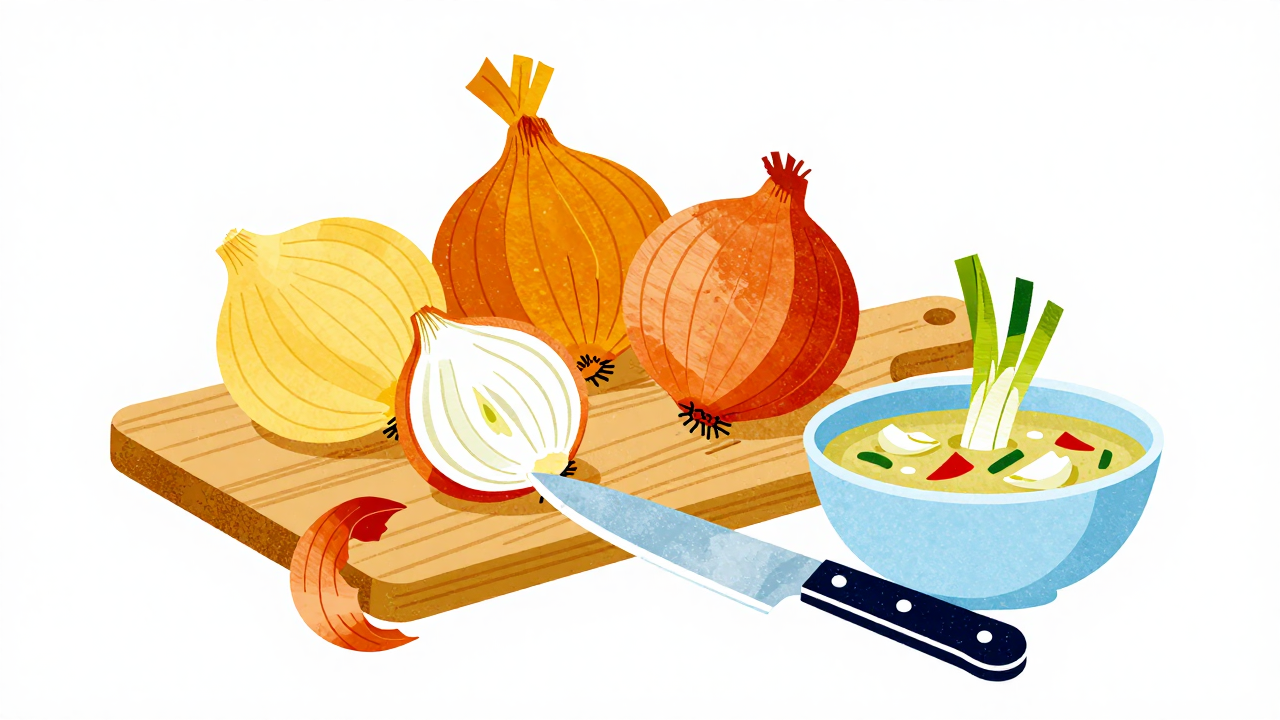
National Onion Day, observed on June 27, celebrates one of the world’s most versatile and beloved culinary staples. From sweet caramelized onions and crisp toppings to savory soups, sauces, and stews, onions bring distinctive flavor, aroma, and depth to countless dishes across many cuisines.
The day is an invitation to appreciate the humble onion and the farmers who grow it. Enjoy it by trying a new onion variety, preparing a favorite recipe, or exploring how different cooking methods—from roasting to pickling—transform its taste and texture. On June 27, give this hardworking kitchen essential the recognition it deserves.
History
National Onion Day is observed annually on **June 27** as a tribute to one of the world’s oldest and most widely cultivated vegetables. The modern observance is associated with the **National Onion Association**, a U.S. trade organization representing onion growers, shippers, and other industry participants. It was created to recognize the agricultural work behind onion production and to highlight the vegetable’s importance in cooking, commerce, and food culture. Like many food-themed observances, National Onion Day is primarily a commemorative and promotional occasion rather than a public holiday established by law.
The history celebrated on June 27 reaches far beyond the modern observance. Onions have been cultivated for thousands of years and were valued by ancient societies in regions including Egypt, Mesopotamia, China, and the Mediterranean. Their durability, strong flavor, and ability to grow in varied climates helped make them an important food long before modern refrigeration and transportation. Historical evidence also indicates that onions served purposes beyond cooking: they were used in traditional medicine, appeared in religious and artistic contexts, and became associated in some cultures with strength, endurance, or protection.
Over time, onions spread through trade and migration, becoming central to cuisines across Europe, Asia, Africa, and the Americas. In the United States, different varieties—including yellow, white, red, and sweet onions—became important commercial crops, with production concentrated in several farming regions. Improvements in cultivation, storage, transportation, and breeding allowed onions to be supplied year-round and helped transform them from a seasonal crop into a routine ingredient in households and restaurants.
National Onion Day consequently has both cultural and agricultural significance. The observance encourages people to appreciate onions’ role as a foundation of sauces, soups, stews, salads, relishes, and countless regional dishes, while also recognizing farmers and workers involved in bringing the crop to market. On June 27, celebrations may include sharing onion recipes, learning about onion varieties and cultivation, or simply acknowledging how an inexpensive and familiar ingredient has shaped culinary traditions around the world.