National Moonshine Day
United States
About
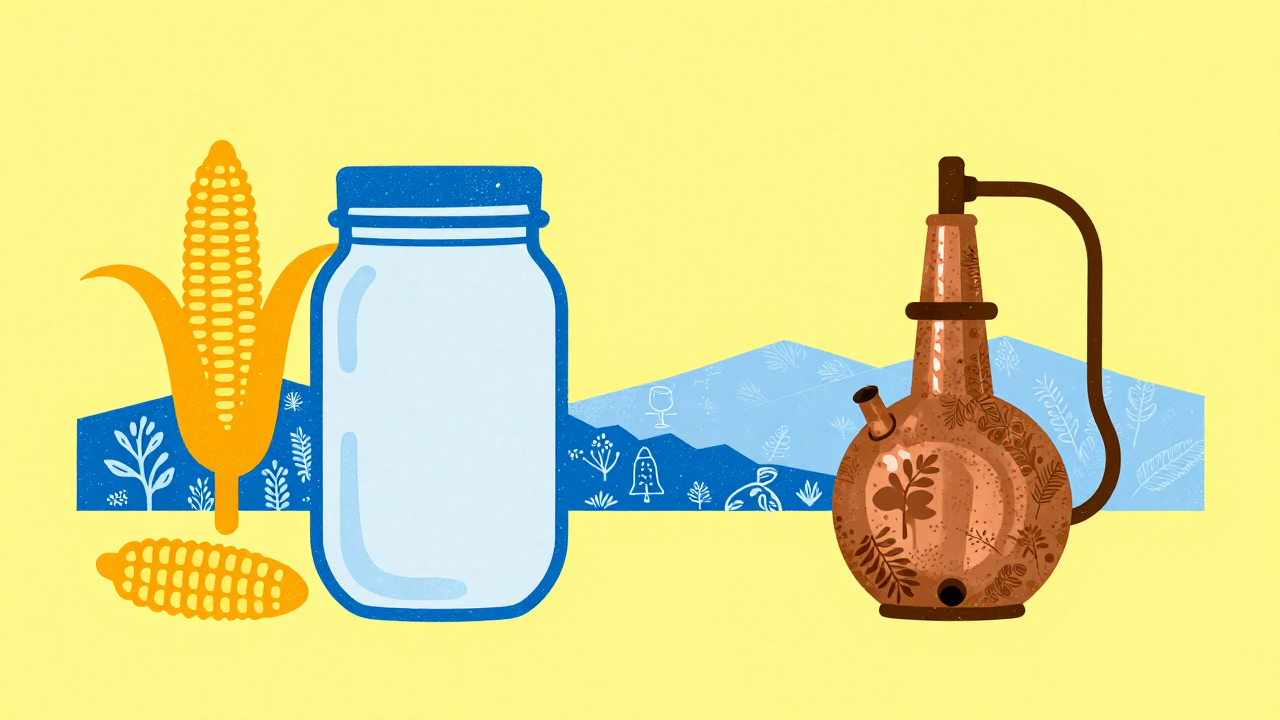
National Moonshine Day, celebrated on June 3, invites enthusiasts and curious minds alike to embrace the rich history and cultural significance of this spirited beverage. Originating from the days of Prohibition, moonshine represented not just a drink but a symbol of rebellion, ingenuity, and the unyielding spirit of those who crafted it in secret. On this day, we honor the tradition of distilling spirits, which has evolved from clandestine operations in the Appalachian hills to a celebrated craft embraced by distilleries around the world.
As you raise a glass to National Moonshine Day, consider the art and science that goes into creating this uniquely American spirit. Whether enjoyed straight, mixed into a cocktail, or used in culinary creations, moonshine has a flavor all its own, often embodying the character of the region from which it hails. This observance is not just about the drink; it’s a chance to connect with friends, share stories, and appreciate the craftsmanship behind every sip. So, gather your loved ones and toast to the legacy of moonshine on June 3, a day that celebrates not only a drink but also the stories, traditions, and communities that have shaped its journey through history.
History
National Moonshine Day is observed on June 3 each year, celebrating the rich and complex history of moonshine production in the United States. The term "moonshine" historically refers to homemade distilled spirits, particularly whiskey, produced illicitly during the Prohibition era of the 1920s. However, the roots of moonshine date back even further, to the early days of American settlers who distilled alcohol from grains and fruits as a means of preserving their harvests, as well as generating additional income.
The origins of National Moonshine Day can be traced to the cultural significance of moonshining in American folklore and its association with rebellion against restrictive laws. During Prohibition, the production and sale of alcoholic beverages were banned, which led to a rise in illegal distilling. Many individuals turned to moonshine as a way to circumvent the law, leading to the establishment of a vast underground economy. This era not only produced notorious figures like Al Capone but also crafted a mythology around moonshiners as folk heroes, embodying the spirit of independence and defiance.
As time progressed, the perception of moonshine began to shift. Following the repeal of Prohibition in 1933, legal distilleries emerged, and the craft of distilling gained recognition. However, the allure of homemade spirits persisted, often celebrated in rural communities where traditional methods were passed down through generations. National Moonshine Day serves as a reminder of this heritage, acknowledging both the challenges and creativity of those who participated in the moonshine culture.
Culturally, National Moonshine Day has become a celebration of Southern heritage and craftsmanship, with numerous events, tastings, and festivals highlighting the artistry involved in distilling. As craft distilling has gained popularity in recent years, many legal distilleries have embraced their moonshining roots, offering products that pay homage to traditional recipes and methods. This observance not only honors a fascinating aspect of American history but also fosters a sense of community among those who appreciate the unique flavors and stories behind moonshine.