Mabo Day
Australia
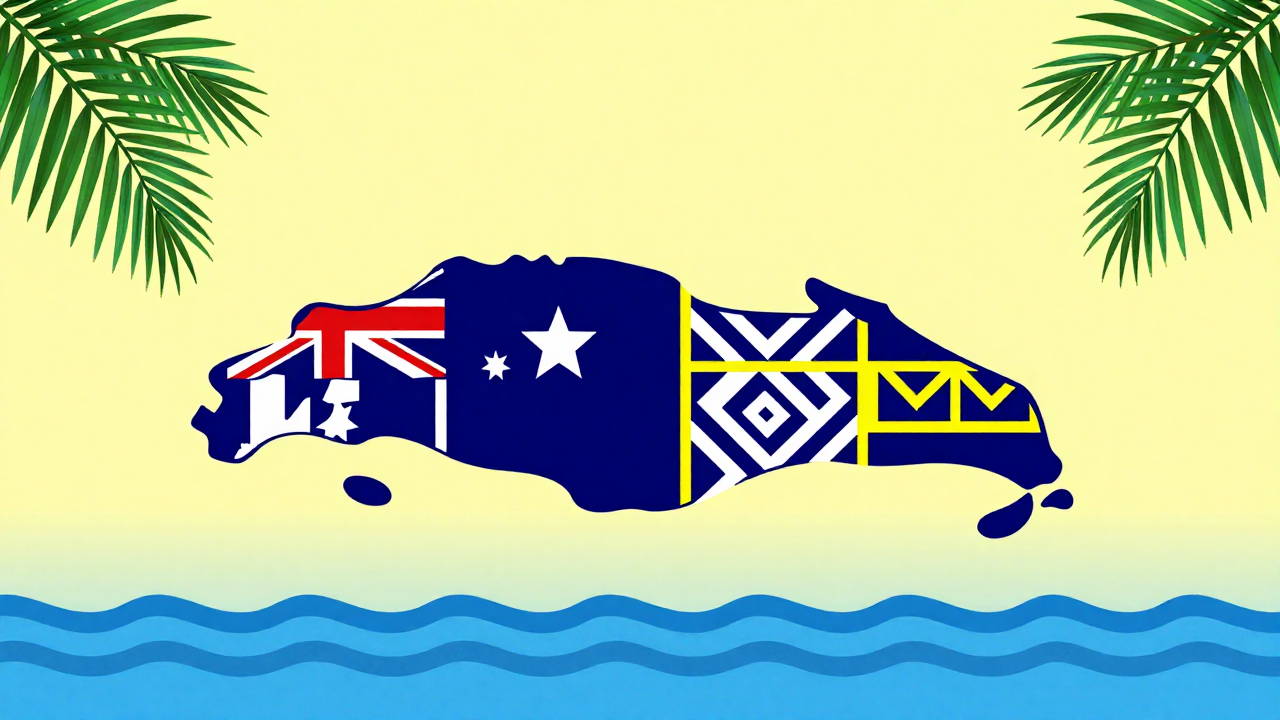
About
Mabo Day, observed on June 3, is a significant occasion that celebrates the legacy of Eddie Mabo, an Indigenous Australian who played a pivotal role in the fight for land rights. This day marks the anniversary of the landmark High Court decision in 1992, which recognized the traditional land rights of the Meriam people of the Torres Strait Islands. Mabo's determination and courage in challenging the doctrine of terra nullius—the idea that land could be claimed if it was deemed unoccupied—opened the door for Indigenous Australians to reclaim their connection to the land, fostering a sense of identity and cultural pride.
On this warm June day, communities across Australia come together to honor Mabo's legacy and reflect on the ongoing journey toward reconciliation and justice for Indigenous peoples. Events may include educational workshops, cultural performances, and community gatherings, all aimed at raising awareness of Indigenous rights and promoting understanding among all Australians. Mabo Day serves as a reminder of the importance of acknowledging history and supporting the rights of Indigenous Australians, ensuring that their voices and stories continue to be heard and celebrated.
History
Mabo Day, observed annually on June 3, commemorates a landmark legal decision in Australian history that fundamentally changed the landscape of land rights for Indigenous Australians. The day is named after Eddie Mabo, a Torres Strait Islander whose persistent efforts led to the recognition of native title in Australia. Mabo challenged the concept of terra nullius—the belief that the land was unowned before British colonization—asserting that his people had a continuous connection to the land for thousands of years. The High Court of Australia ultimately ruled in favor of Mabo on June 3, 1992, acknowledging the rights of Indigenous Australians to their traditional lands.
The origins of Mabo Day can be traced back to the grassroots activism led by Mabo and others advocating for Indigenous land rights in the 1980s. Mabo's journey began when he sought to have his family's land on Mer Island recognized. His legal battle took nearly a decade and involved extensive research and testimony from traditional landowners, scholars, and anthropologists. The landmark ruling not only recognized the existence of native title but also established a legal framework for other Indigenous Australians to claim their land rights. The decision was a pivotal moment in Australian history, marking a shift in the legal and social recognition of Indigenous peoples.
Over time, Mabo Day has evolved from a legal milestone to a broader celebration of Indigenous culture and rights. The day is now marked by various events across Australia, including community gatherings, educational programs, and cultural performances that highlight the significance of land rights and reconciliation. It serves as a reminder of the ongoing struggles faced by Indigenous communities and the importance of preserving their cultural heritage. As such, Mabo Day has become an opportunity for all Australians to reflect on the nation’s history and work towards a more inclusive future.
Culturally, Mabo Day holds great significance as it symbolizes resilience and the ongoing fight for justice and recognition. It encourages dialogue about the impact of colonization and the need for reconciliation between Indigenous and non-Indigenous Australians. By observing this day, individuals and communities engage in discussions about land rights, cultural preservation, and the importance of acknowledging the history and contributions of Aboriginal and Torres Strait Islander peoples. As Australia continues to navigate its complex past, Mabo Day stands as a beacon of hope and a call for progress in the quest for equality and respect for Indigenous rights.