National Hat Day
United States
About
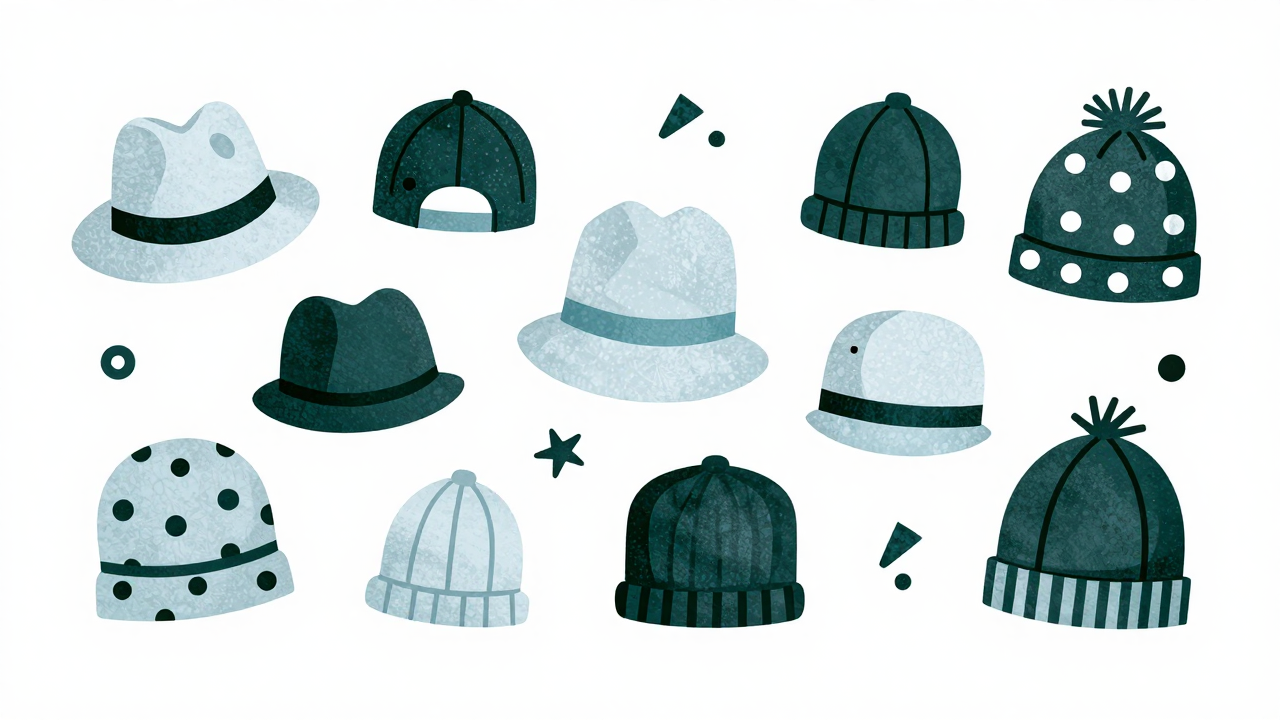
National Hat Day, celebrated on January 15, invites everyone to tip their hats and embrace the joy of headwear in all its forms. This charming observance encourages people to wear their favorite hats, whether they are stylish fedoras, cozy beanies, or whimsical novelty caps. Hats have long been more than just practical accessories; they serve as expressions of personality, culture, and even fashion trends. On this day, individuals and families are encouraged to showcase their unique styles and share their love for hats, making it a delightful occasion to celebrate creativity and self-expression.
As you don your chosen headgear on National Hat Day, take a moment to appreciate the rich history and significance of hats throughout the ages. From the wide-brimmed hats of the past that protected wearers from the sun to the more modern, trendy options available today, hats have played various roles in society. Whether worn for protection, fashion, or cultural significance, each hat tells a story. So gather your friends and family, don your favorite headwear, and join in on the fun of National Hat Day—it’s a perfect excuse to be a little playful and a lot stylish!
History
National Hat Day is observed annually on January 15, celebrating the diverse and creative world of hats. The origins of this quirky holiday are not precisely documented, but it is believed to have emerged in the United States during the late 20th century, coinciding with a growing appreciation for personal expression through fashion. Hats have been a significant part of human attire for centuries, serving not only as a means of protection from the elements but also as symbols of social status, profession, and cultural identity.
Historically, hats have varied immensely in style and function across different cultures and periods. In the early 1900s, for example, hats were essential to everyday wear, with men sporting top hats and bowler hats while women adorned themselves with wide-brimmed hats decorated with flowers and ribbons. However, as fashion trends evolved throughout the 20th century, the prominence of hats began to wane, particularly during the latter half of the century. By the time National Hat Day was established, hats had transitioned from mandatory fashion items to optional accessories, making this observance a playful nod to a bygone era of stylish headwear.
Over the years, National Hat Day has evolved into a celebration of individuality and creativity. It encourages people to wear their favorite hats, whether they are baseball caps, beanies, fedoras, or even whimsical creations. Social media platforms have played a significant role in popularizing the holiday, with users sharing photos of their hats and engaging in playful discussions about their significance. This has helped to foster a sense of community among hat enthusiasts and has inspired retailers to promote hat sales around January 15, further embedding the observance into contemporary culture.
Culturally, National Hat Day highlights the importance of fashion as a form of self-expression. Hats can reflect personal style, cultural heritage, and even political statements. From the classic fedora to the traditional sombrero, hats can carry rich meanings and histories. Celebrating National Hat Day on January 15 not only honors this diverse accessory but also invites people to reflect on how hats have shaped social interactions and perceptions throughout history. As the holiday continues to gain traction, it serves as a reminder of the timeless appeal of hats in human culture.