National French Bread Day
United States, France
About
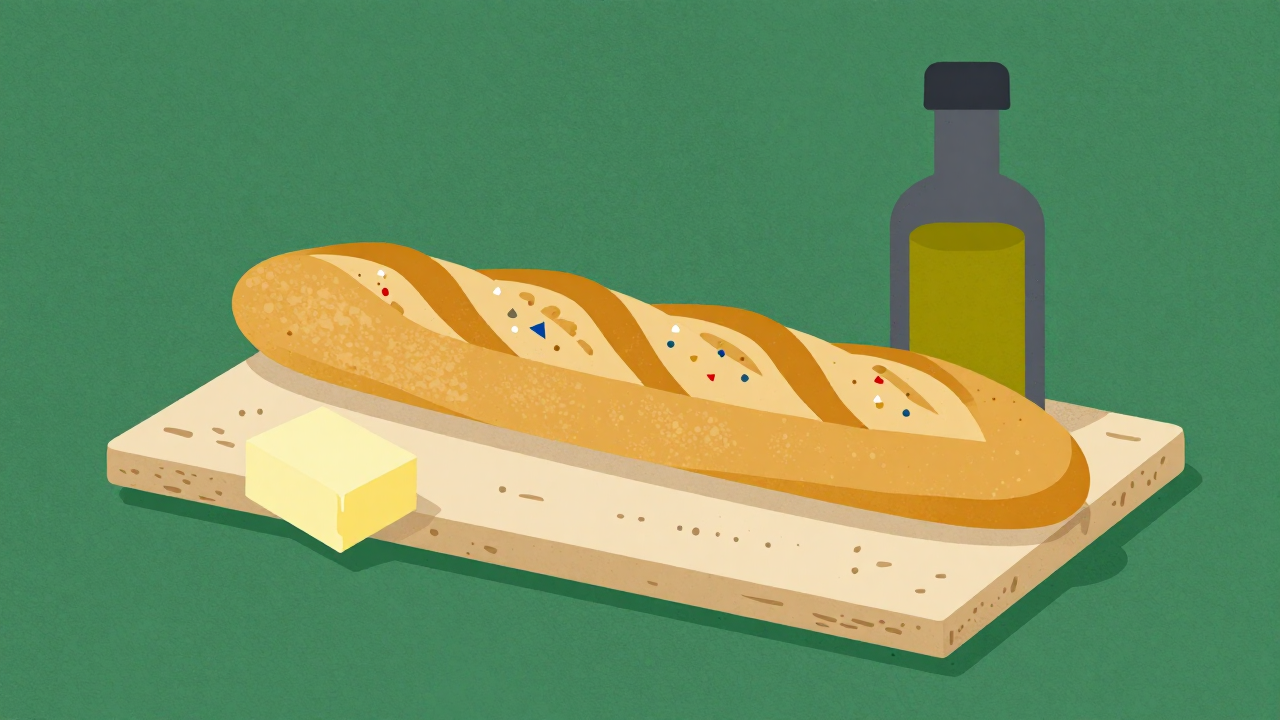
National French Bread Day, celebrated on March 21, invites us to indulge in the delightful crusty goodness of one of the world’s most beloved breads. This day is a tribute to the iconic French baguette, known for its golden, crispy crust and soft, airy interior. French bread has been a staple in many kitchens and cafes around the globe, serving as the perfect accompaniment to countless meals or enjoyed on its own with a pat of butter or a drizzle of olive oil.
On this special day, take a moment to appreciate the artistry and tradition behind baking French bread. Whether you choose to visit your favorite local bakery or try your hand at making your own, National French Bread Day encourages us to savor the flavors and history of this culinary treasure. So gather your friends and family, and enjoy a slice (or two) of freshly baked French bread, celebrating the joy it brings to our tables and the warmth it adds to our hearts.
History
National French Bread Day is celebrated annually on March 21, honoring one of the most iconic staples of French cuisine. The origins of this observance can be traced back to the rich traditions surrounding bread-making in France, which date back thousands of years. French bread, particularly in its various forms such as baguettes and pain de campagne, has played a significant role in the culinary landscape of the country and is often associated with the cultural identity of the French people.
The significance of this day lies not only in the appreciation of the bread itself but also in the broader context of its historical evolution. The art of baking bread has been refined in France since the Roman era, with techniques and styles evolving over time. By the 19th century, the introduction of the baguette—characterized by its long, thin shape and crusty exterior—became a symbol of French culinary excellence. National French Bread Day serves as a reminder of these traditions, celebrating the craftsmanship and heritage that goes into each loaf.
Culturally, French bread is more than just a food item; it represents a communal experience and a connection to daily life in France. Bread is often a centerpiece of meals, accompanying everything from simple family dinners to elaborate feasts. The celebration of National French Bread Day encourages people to reflect on the importance of this staple not only in French culture but around the world, where French baking techniques have influenced various culinary practices.
As people mark National French Bread Day on March 21, many take the opportunity to explore different types of French bread, visit local bakeries, and even try their hand at baking. This observance promotes appreciation for artisanal bread-making and encourages a return to traditional methods in an age where mass production often dominates. In doing so, it honors the rich history of bread in France and its enduring place in the hearts and homes of people globally.