National Day of the Indigenous People in Chile
Chile
About
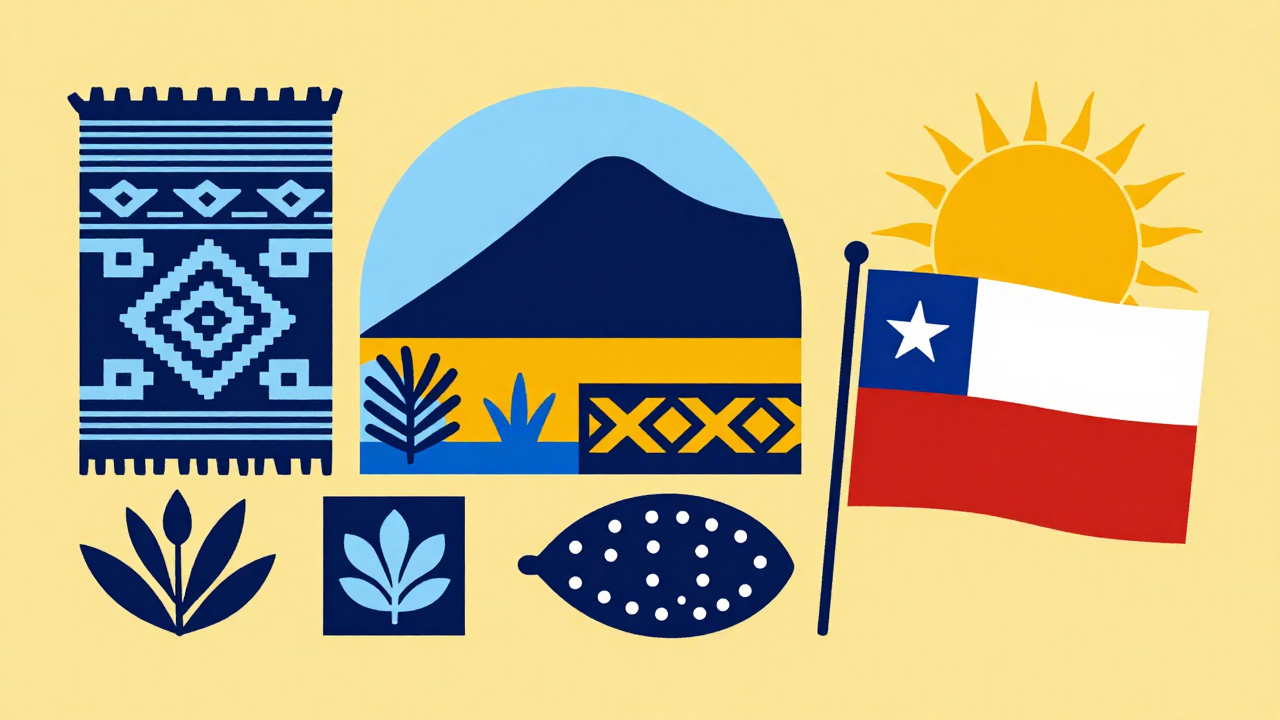
National Day of the Indigenous People in Chile, celebrated on June 21, is a heartfelt occasion dedicated to honoring the rich cultural heritage and contributions of the Indigenous communities that have shaped the nation. This day coincides with the winter solstice in the Southern Hemisphere, a time that holds great significance for many Indigenous groups, symbolizing renewal and the natural cycles of life. It serves as a reminder of the deep-rooted traditions, languages, and practices that continue to thrive among the diverse Indigenous peoples of Chile, including the Mapuche, Aymara, and Rapa Nui.
On this meaningful day, communities come together to celebrate their identity and resilience through various events and activities. Festivities often include traditional music, dance, and art, showcasing the vibrant cultures that have existed for centuries. It is a time for reflection, education, and dialogue, encouraging awareness about the rights and challenges faced by Indigenous peoples today. As Chileans and visitors alike participate in the celebrations on June 21, they not only honor the past but also pave the way for a more inclusive future, recognizing the invaluable contributions of Indigenous cultures to the tapestry of Chilean society.
History
The National Day of the Indigenous People in Chile, observed on June 21, has its origins rooted in the recognition of the diverse indigenous communities that inhabit the country. This observance is part of a broader movement across Latin America that seeks to honor and celebrate indigenous cultures, histories, and contributions to society. The date itself coincides with the winter solstice in the Southern Hemisphere, a significant time for indigenous peoples, marking the change of seasons and the celebration of agricultural cycles. The day serves as a platform to raise awareness about the rights of indigenous populations and to promote their cultural heritage.
The observance gained formal recognition in 1996 when the Chilean government declared June 21 as the National Day of the Indigenous People. This initiative was influenced by the broader global discourse on indigenous rights, particularly following the United Nations' adoption of the International Day of the World's Indigenous Peoples, which is celebrated on August 9. Over the years, the significance of June 21 has grown, evolving from a mere acknowledgment to an important day of reflection, advocacy, and celebration for indigenous groups across Chile, including the Mapuche, Aymara, and Rapa Nui peoples.
Culturally, this day is significant as it allows indigenous communities to showcase their rich traditions, languages, and customs through various festivities and events. Celebrations often include traditional music, dance, and cultural exhibitions, providing a vital opportunity for intergenerational knowledge transfer and the preservation of indigenous identities. The observance also serves as a reminder of the ongoing struggles faced by these communities, including issues related to land rights, cultural preservation, and social justice. By commemorating June 21, Chile not only honors its indigenous heritage but also acknowledges the challenges that these communities continue to face in the modern world.
In recent years, the National Day of the Indigenous People in Chile has sparked dialogue surrounding the rights of indigenous peoples, promoting initiatives aimed at fostering inclusivity and understanding. As the observance continues to evolve, it remains a vital aspect of Chile's national identity, highlighting the importance of recognizing and valuing the contributions of indigenous populations to the country’s history and culture. Through the celebration of June 21, Chile affirms its commitment to embracing cultural diversity and addressing the historical injustices faced by its indigenous communities.