International Yoga Day
India, United States, Canada, United Kingdom, Australia, Germany, France, Brazil, South Africa, Japan
About
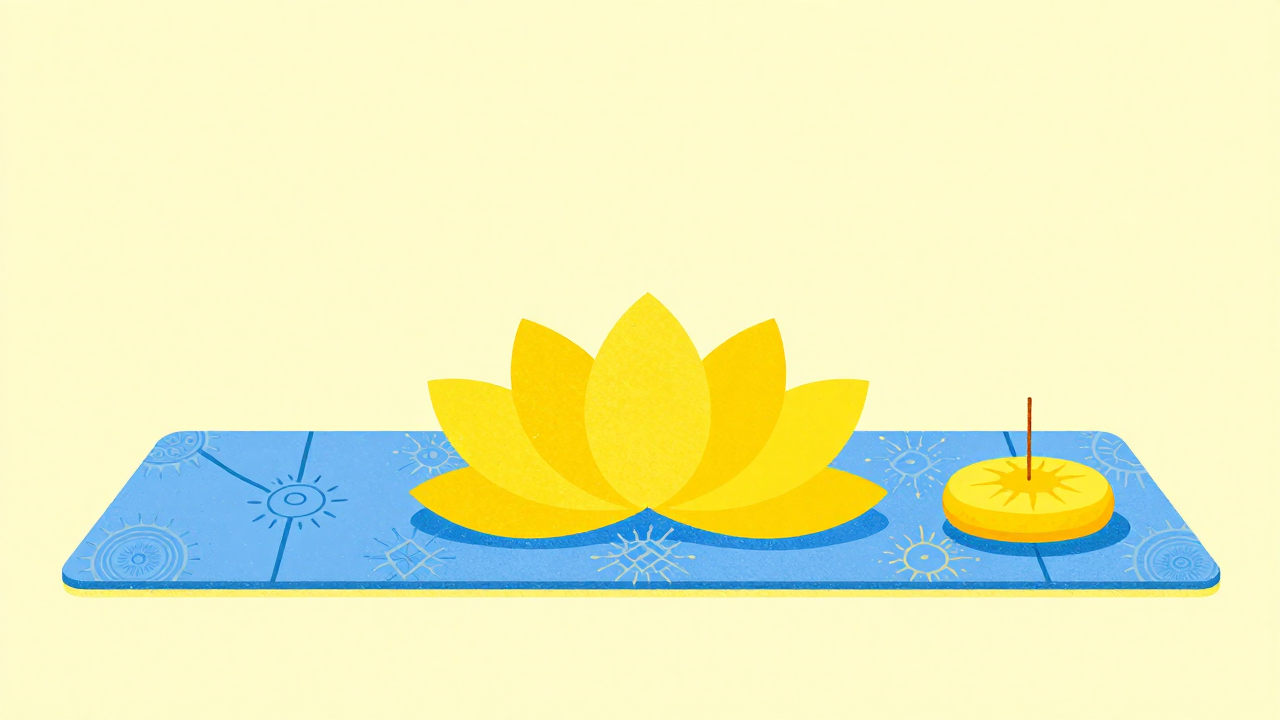
International Yoga Day, celebrated on June 21 each year, is a beautiful occasion dedicated to the ancient practice of yoga, promoting its numerous benefits for physical and mental well-being. Established by the United Nations in 2014, this day encourages individuals from all walks of life to explore and embrace the holistic nature of yoga, which intertwines mindfulness, movement, and breath. As the summer solstice bathes the world in light, it serves as a perfect backdrop for practitioners to connect with nature and themselves, fostering a sense of peace and unity.
On this special day, communities around the globe come together to participate in yoga sessions, workshops, and events, all designed to highlight the importance of maintaining a balanced lifestyle. Whether you are a seasoned yogi or a curious beginner, International Yoga Day invites you to roll out your mat, breathe deeply, and engage in this transformative practice. Through yoga, we celebrate not only individual health and wellness but also the universal values of harmony and tranquility, reminding us of the power of mindfulness in our fast-paced world. So, on June 21, take a moment to honor your body and mind, and join millions in this inspiring celebration of yoga!
History
International Yoga Day is observed annually on June 21, a date that holds significance as it coincides with the summer solstice in the Northern Hemisphere. The observance was first proposed by Indian Prime Minister Narendra Modi during his speech at the United Nations General Assembly on September 27, 2014. He emphasized the importance of yoga as a holistic approach to health and well-being, highlighting its potential to promote peace and harmony among individuals and nations alike. Following this proposal, the United Nations officially declared June 21 as International Yoga Day on December 11, 2014, acknowledging the ancient practice of yoga and its contributions to physical, mental, and spiritual well-being.
The origins of yoga can be traced back over 5,000 years in ancient India, where it was practiced as a means of achieving spiritual enlightenment and self-awareness. The earliest references to yoga are found in sacred texts such as the Vedas and Upanishads, which outline its philosophical foundations. Over the centuries, yoga evolved through various schools of thought and practices, including Hatha, Bhakti, and Karma yoga, each emphasizing different aspects of human experience, from physical postures to devotion and action. The increasing global interest in yoga, especially during the 20th century, led to its adaptation and incorporation into various health and wellness practices worldwide.
Since its inception, International Yoga Day has evolved into a global event that brings together millions of practitioners and enthusiasts from diverse backgrounds. Each year, various activities are organized around the world, including yoga sessions in public parks, community gatherings, and workshops, all aimed at promoting the physical and mental benefits of yoga. The observance serves not only to celebrate the practice itself but also to raise awareness about its role in fostering a sense of community and interconnectedness among people of different cultures and traditions.
Culturally, International Yoga Day serves as a reminder of the importance of health and wellness in our increasingly fast-paced lives. It encourages individuals to take a step back, practice mindfulness, and engage in physical activity that promotes overall well-being. The day has also become a platform for various organizations and governments to promote yoga as a tool for peace and resilience in the face of social and environmental challenges. As it continues to gain traction globally, International Yoga Day represents the unifying power of yoga, bridging gaps between cultures and traditions while fostering a sense of global citizenship.