National Day of the Gong
About
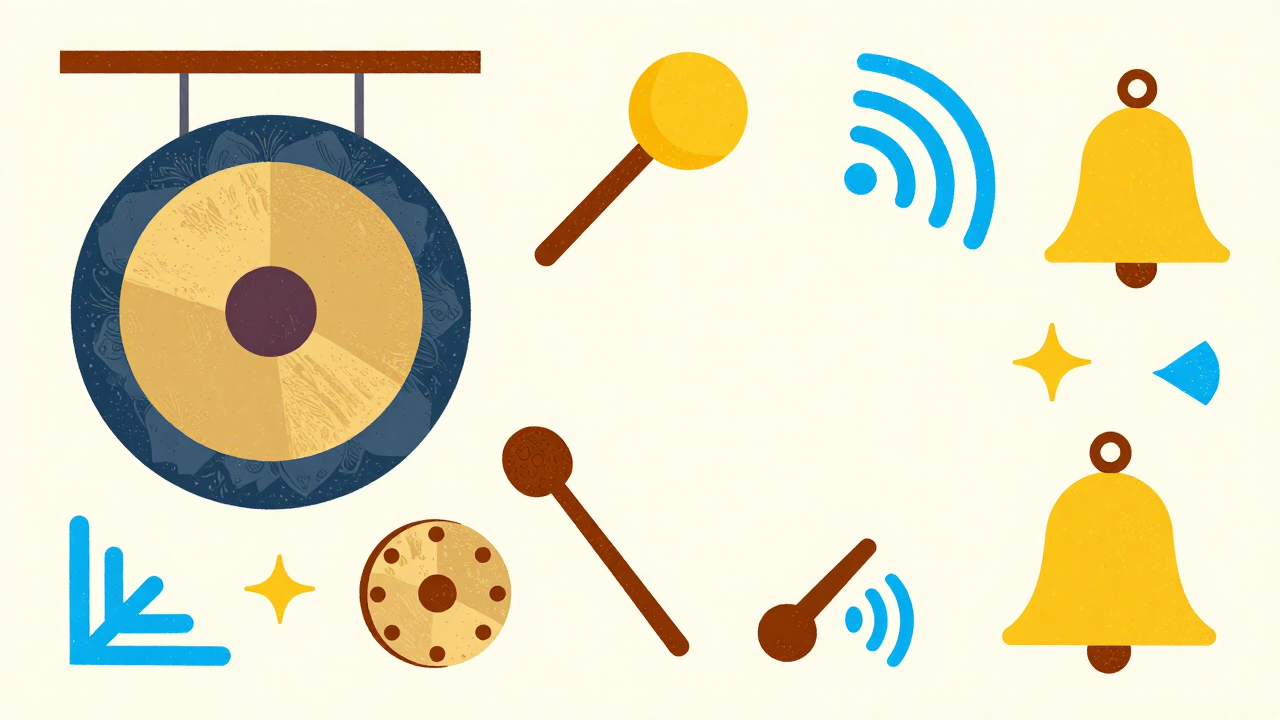
On June 21, music lovers and cultural enthusiasts come together to celebrate the National Day of the Gong, a delightful observance that honors the rich history and significance of gongs across various cultures. Gongs have been used for centuries, not only as musical instruments but also as powerful symbols in rituals, celebrations, and ceremonies. This day invites everyone to appreciate the unique sounds and the craftsmanship behind these resonant instruments that have found their place in diverse musical traditions around the globe.
As we mark this special day, people are encouraged to explore the different types of gongs, from the majestic Chinese gong to the vibrant Indonesian gamelan. Sharing music, attending performances, or even trying your hand at playing a gong are all wonderful ways to engage with this observance. Whether you're a seasoned musician or simply someone who enjoys the beauty of sound, National Day of the Gong on June 21 serves as a reminder of the universal language of music and the connections it fosters among us. So, gather friends and family, and take a moment to celebrate the enchanting world of gongs!
History
National Day of the Gong is observed annually on June 21, celebrating the rich cultural significance of the gong, an instrument that has reverberated through various societies around the world. The origins of this observance are deeply rooted in the history of the gong itself, which is believed to have originated in Southeast Asia over 2,500 years ago. It has since been associated with various rituals, ceremonies, and musical traditions across different cultures, including those in China, Indonesia, and Malaysia. The gong is often considered a symbol of harmony and community, used in both spiritual and celebratory contexts.
The evolution of the National Day of the Gong can be traced to the growing appreciation for traditional music and instruments as cultural artifacts. As globalization increased and cultures began to intermingle, the gong gained recognition beyond its regional confines. In the late 20th century, movements to preserve and promote indigenous music led to a resurgence of interest in traditional instruments like the gong. The establishment of National Day of the Gong on June 21 served to formalize this appreciation, allowing people to engage with the history and significance of this instrument.
Culturally, the gong holds a prominent place in various festivities and rituals. In many Asian cultures, it is used to mark significant events such as weddings, births, and religious ceremonies. The gong's deep, resonant sound is believed to carry spiritual significance, promoting peace and connection among individuals. On National Day of the Gong, communities often organize events that feature live performances, workshops, and demonstrations, encouraging people to learn about the instrument's history and to participate in playing it. This observance not only honors the gong as a musical instrument but also fosters a sense of unity and shared heritage among diverse populations.
Celebrated on June 21, the National Day of the Gong invites everyone to explore the instrument's extensive cultural landscape. By participating in activities and events that highlight the gong, individuals can appreciate its role in music and community bonding. This day serves as a reminder of the importance of cultural preservation and the unifying power of music as a means of communication and expression across the globe.