National Cooper Day
About
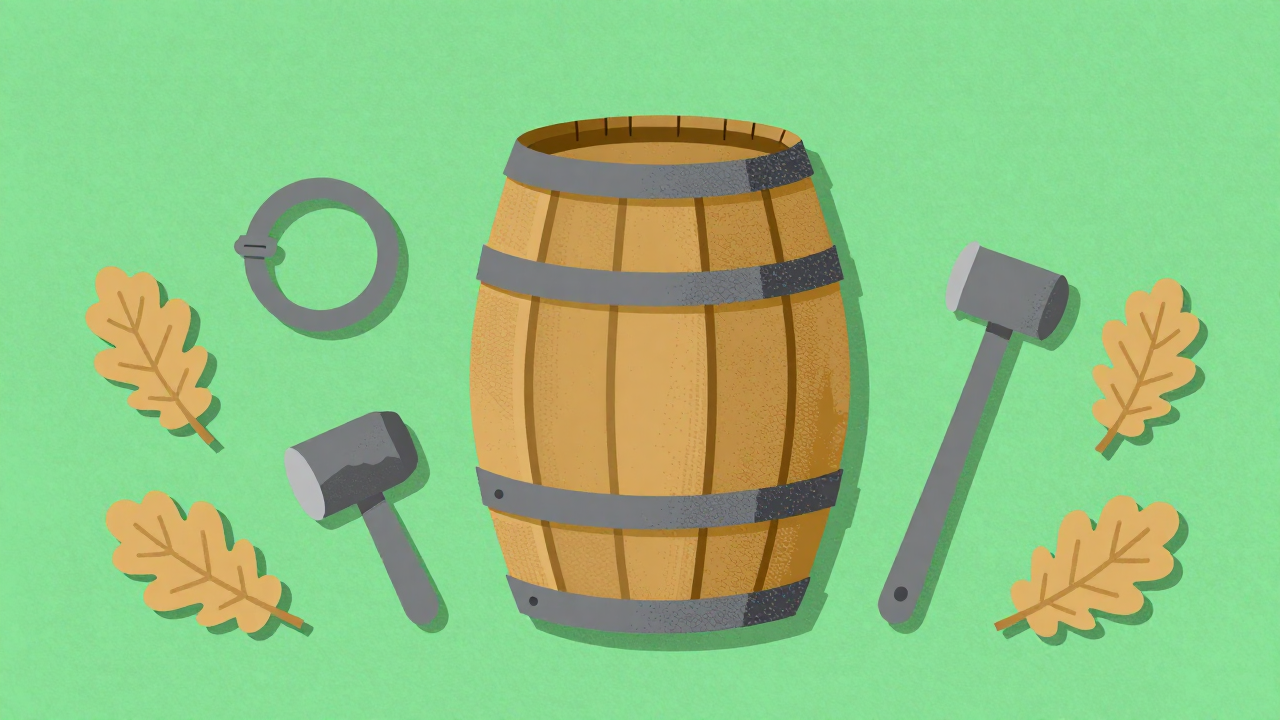
National Cooper Day, observed on March 7, is a delightful celebration that honors the skilled artisans known as coopers. These craftsmen have played a pivotal role throughout history, crafting barrels and casks that have been essential for storing and aging various goods, particularly beverages like wine and whiskey. The art of coopering dates back centuries, and its significance can still be felt in the modern world, where the craftsmanship of a well-made barrel can enhance the flavors of the contents within.
On this special day, enthusiasts and professionals alike come together to appreciate the intricate techniques and traditions that define this unique trade. National Cooper Day serves as a reminder of the dedication and skill involved in creating these wooden vessels, which have been instrumental in food and drink preservation. Whether you’re a fan of artisanal spirits or simply curious about the history of craftsmanship, take a moment on March 7 to reflect on the legacy of coopers and perhaps raise a glass in their honor!
History
National Cooper Day is observed annually on March 7, honoring the craft and the history of coopering, the art of making barrels and casks. This tradition dates back thousands of years, with evidence of wooden containers used by ancient civilizations for storing liquids and food. The craft itself, referred to as coopering, became significant in various cultures, particularly in Europe, where the production of barrels was crucial for trade, transportation, and storage.
The origins of National Cooper Day can be traced to the recognition of coopers as essential artisans in the brewing, winemaking, and shipping industries. With the rise of trade routes and the popularity of fermented beverages, coopers became vital to ensuring that these products were effectively transported and preserved. By the late Middle Ages, the craft had evolved into a respected profession, with guilds established to maintain standards and protect the trade's secrets.
Over time, National Cooper Day has evolved from a simple acknowledgment of coopers to a celebration that encompasses the broader aspects of craftsmanship and the importance of skilled trades in society. As industrialization transformed manufacturing, the traditional methods of coopering faced decline; however, the day serves as a reminder of the artistry and skill involved in creating these wooden vessels. Today, many communities celebrate National Cooper Day with events that highlight the importance of craftsmanship, workshops, and demonstrations of traditional coopering techniques.
Culturally, National Cooper Day emphasizes the significance of artisan skills and their impact on local economies and traditions. It fosters appreciation for those who preserve time-honored practices and encourages a connection to the past. By celebrating this day on March 7, individuals and communities can reflect on the historical contributions of coopers and the vital role they played in shaping trade and culture throughout history.