Mothering Sunday U.K.
United Kingdom, Ireland
About
Mothering Sunday U.K., celebrated on March 7, is a heartfelt occasion dedicated to honoring mothers and mother figures across the nation. This special day has deep roots in history, tracing back to the 16th century when it was originally a day for people to return to their "mother church" for a special service. Over time, it evolved into a day of appreciation for mothers, where families come together to express their love and gratitude, often through thoughtful gestures, gifts, and shared meals.
On Mothering Sunday, it's common for children to present their mothers with flowers, homemade cards, or even breakfast in bed, creating cherished memories. Many families also take the opportunity to spend quality time together, whether it's enjoying a cozy meal at home or dining out at a favorite restaurant. The warmth and love that permeate this day reflect the significant role mothers play in our lives, making it a meaningful observance that resonates with many. As March 7 approaches, communities across the U.K. prepare to celebrate the unconditional love, support, and dedication that mothers embody, reminding us all of the special bonds we share with those who nurture and guide us.
History
Mothering Sunday U.K., observed on March 7, has its origins rooted in the Christian tradition, particularly in the practice of returning to one’s "mother church." This day was initially celebrated on the fourth Sunday of Lent, when the faithful would journey back to their home church, often referred to as the mother church. This pilgrimage was a time for reflection and spiritual rejuvenation, allowing individuals to reconnect with their religious roots and family ties.
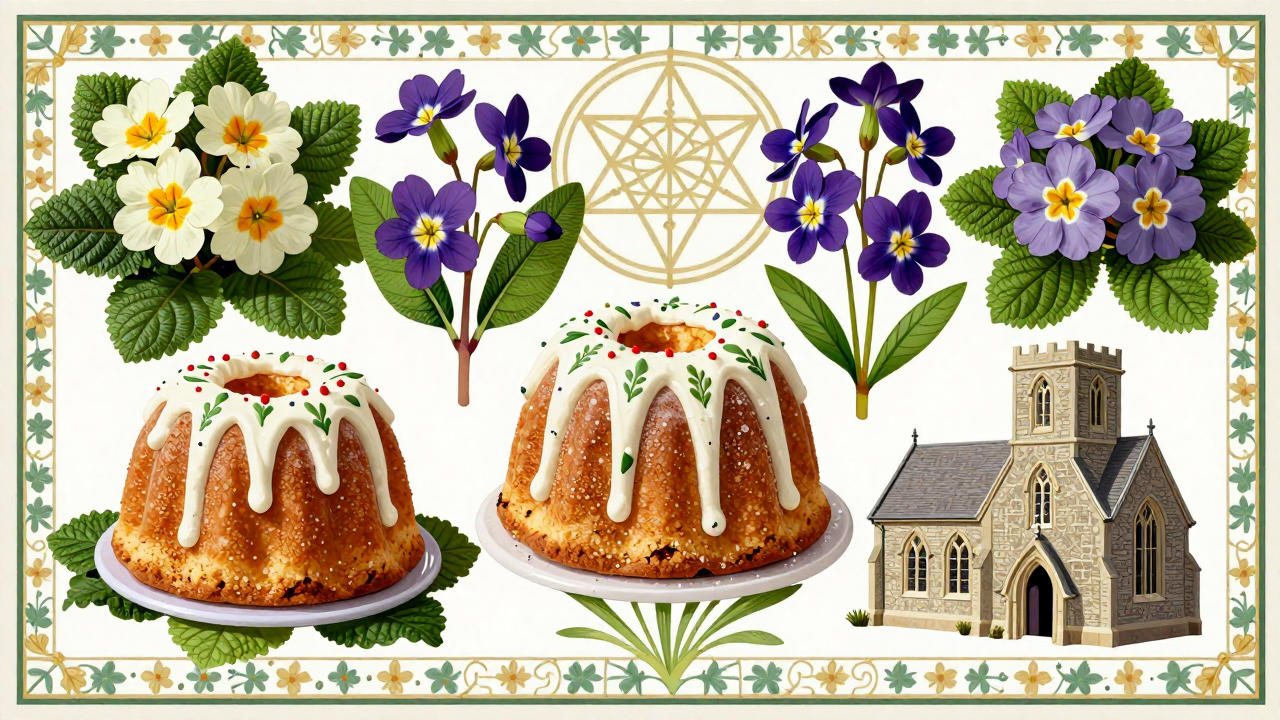
Historically, Mothering Sunday provided an opportunity for servants and workers, who often lived away from their families, to return home and visit their mothers. This custom evolved over the centuries, and by the 16th century, it became a day dedicated to mothers and maternal figures, where children would present gifts and flowers to their mothers as tokens of appreciation. It was a day filled with familial bonding, and cakes were traditionally baked to celebrate the occasion, emphasizing the nurturing aspect of motherhood.
As the years progressed, the significance of Mothering Sunday began to shift. The observance started to blend with secular customs, particularly in the 20th century, when it became more commercialized and began to mirror Mother’s Day celebrations elsewhere, particularly in the United States. However, the U.K. retained its unique traditions, focusing on the spiritual and familial elements, which are deeply embedded in its cultural fabric. Today, Mothering Sunday serves as a reminder of the importance of maternal figures in society, celebrating their contributions and sacrifices.
The cultural significance of Mothering Sunday lies in its dual nature as both a religious observance and a familial celebration. It highlights the importance of motherhood and the bonds within families while also serving as a time for reflection and gratitude. As March 7 approaches each year, communities across the U.K. engage in various activities, from attending church services to sharing meals, reinforcing connections and honoring the role of mothers in a contemporary context. This blend of history, spirituality, and family values continues to resonate deeply, making Mothering Sunday a cherished observance in the U.K.