National Bingo Day
United States
About
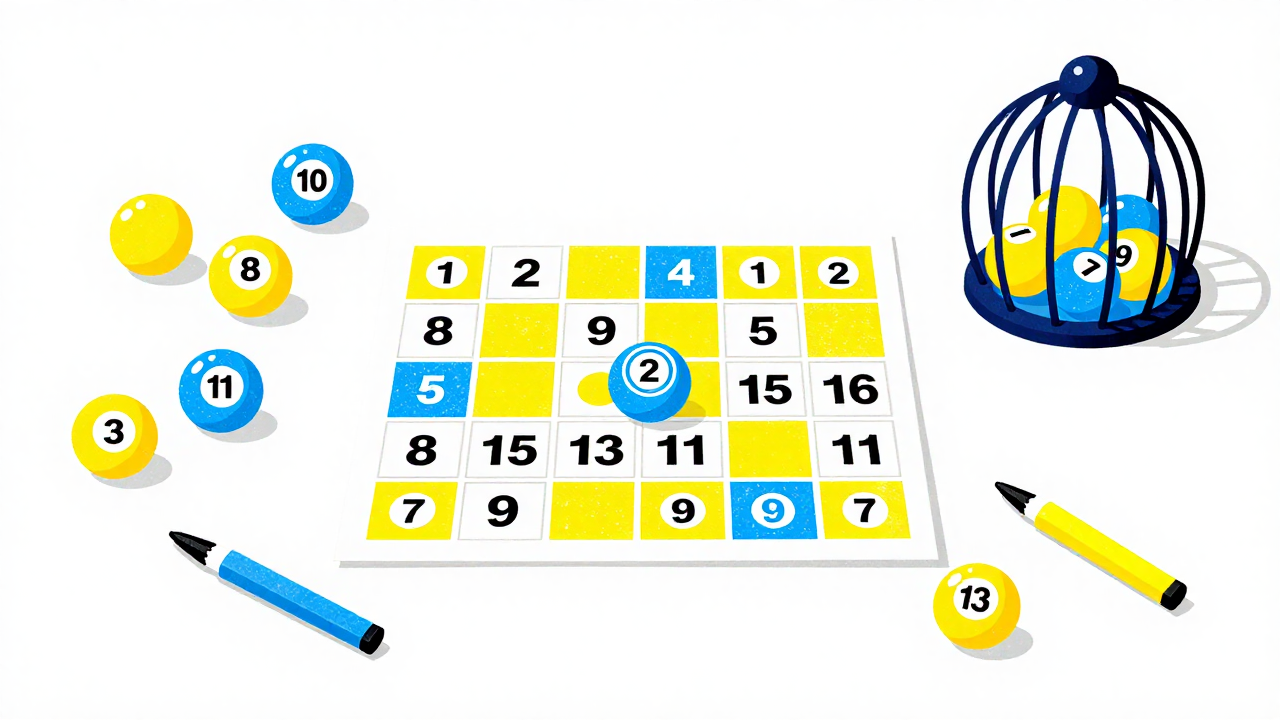
National Bingo Day, observed on June 27, celebrates the timeless appeal of a game that brings people together through friendly competition, anticipation, and plenty of cheerful excitement. Whether played in a community hall, at a family gathering, or online, bingo is enjoyed by people of all ages and backgrounds.
The observance is a wonderful opportunity to gather with friends and loved ones, call out numbers, and enjoy the fun of waiting for the winning combination. More than just a game of chance, bingo encourages social connection and creates memorable moments—making June 27 a perfect day to organize a round and shout “Bingo!”
History
National Bingo Day, observed annually on **June 27**, celebrates one of the world’s most recognizable number games and the communities built around it. The observance is a modern tribute to bingo’s long history rather than a holiday with a single, well-documented founding event. Its purpose is generally to recognize the game’s entertainment value, social character, and enduring place in community gatherings.
Bingo’s roots can be traced to an Italian lottery known as *Il Gioco del Lotto d’Italia*, which developed in the 1500s. Similar games later appeared in France and other parts of Europe, while related number-drawing activities were adapted for educational and recreational use. In the nineteenth century, versions of the game became increasingly familiar in the United States, where they were often played at fairs, carnivals, and social events.
The modern form of bingo took shape in the United States during the late 1920s. Toy salesman Edwin S. Lowe encountered a game called “Beano” at a carnival and recognized its wider commercial potential. After players began shouting “bingo” instead of “beano,” Lowe popularized the new name and worked with mathematician Carl Leffler to create a large range of distinctive number cards. This helped make the game more practical for organized play and contributed to its rapid spread.
Over time, bingo evolved from a carnival pastime into a regular activity at churches, community centers, charities, senior centers, and commercial bingo halls. It has also been adapted for schools, fundraisers, online platforms, and informal family games. National Bingo Day on June 27 reflects that broad cultural reach: bingo is valued not only for chance and competition, but also for encouraging conversation, participation, fundraising, and intergenerational social connection.