National Barbecued Spareribs Day
United States
About
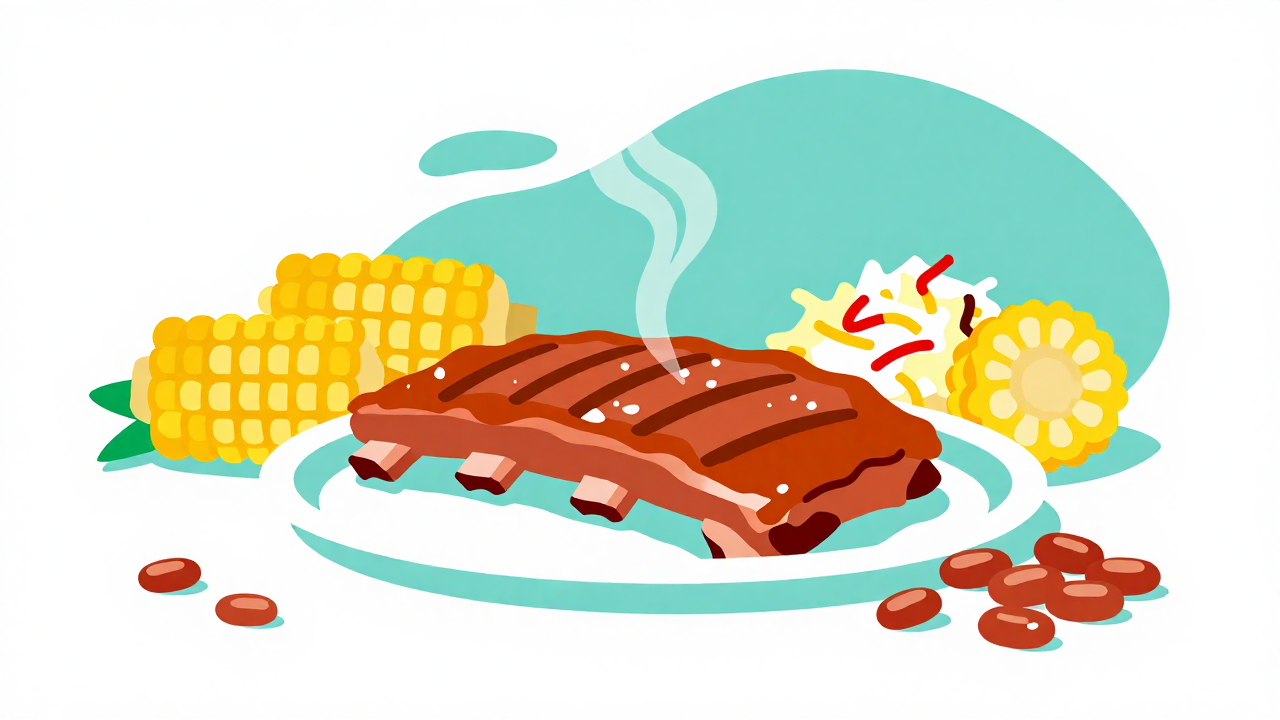
National Barbecued Spareribs Day, observed on July 4, celebrates the smoky, saucy, and tender flavors of barbecued spareribs. It’s a delicious occasion to enjoy this classic barbecue favorite, whether prepared on a backyard grill, cooked low and slow, or shared at a festive summer gathering.
Bring family and friends together over a platter of ribs brushed with your favorite barbecue sauce and paired with classic sides such as coleslaw, corn, baked beans, or potato salad. National Barbecued Spareribs Day is a flavorful way to savor good food, outdoor cooking, and the convivial spirit of a July 4 celebration.
History
National Barbecued Spareribs Day is observed on July 4, placing the food observance alongside the United States’ Independence Day celebrations. Its exact creator and founding year are not well documented, so it is best understood as a modern food holiday rather than an observance with a clearly recorded institutional origin. The date reflects the long-standing association between outdoor cooking, shared meals, and Fourth of July gatherings.
The history of barbecued spareribs reaches much further back than the holiday itself. Barbecue developed through the blending of Indigenous cooking practices, African and European culinary traditions, and regional techniques in the Americas. Pork became especially important in Southern barbecue, where slow cooking over wood or coals helped tenderize less expensive cuts. Spareribs—taken from the rib section of the animal—became popular because they absorb smoke and seasoning well while developing a rich, flavorful crust during prolonged cooking.
Over time, regional barbecue traditions gave spareribs distinctive identities. In the American South and Midwest, cooks developed different preferences for dry rubs, smoke woods, cooking temperatures, and sauces. Some traditions emphasize a dry seasoning blend, while others finish ribs with tomato-based, vinegar-based, mustard-based, or sweet sauces. The spread of backyard grills, commercial barbecue restaurants, packaged sauces, and televised cooking programs helped make ribs familiar across the country, even as regional methods remained an important part of their cultural character.
Today, National Barbecued Spareribs Day celebrates both the food and the communal customs surrounding it. Because it falls on July 4, the observance commonly fits into picnics, family reunions, neighborhood cookouts, and other holiday meals. It also highlights barbecue as a living American tradition: a cuisine shaped by migration, regional creativity, local ingredients, and shared outdoor experiences. Rather than commemorating one documented historical event, the day provides an annual occasion to appreciate the long culinary history and cultural variety represented by barbecued spareribs.