National Aboriginal Day
Canada
About
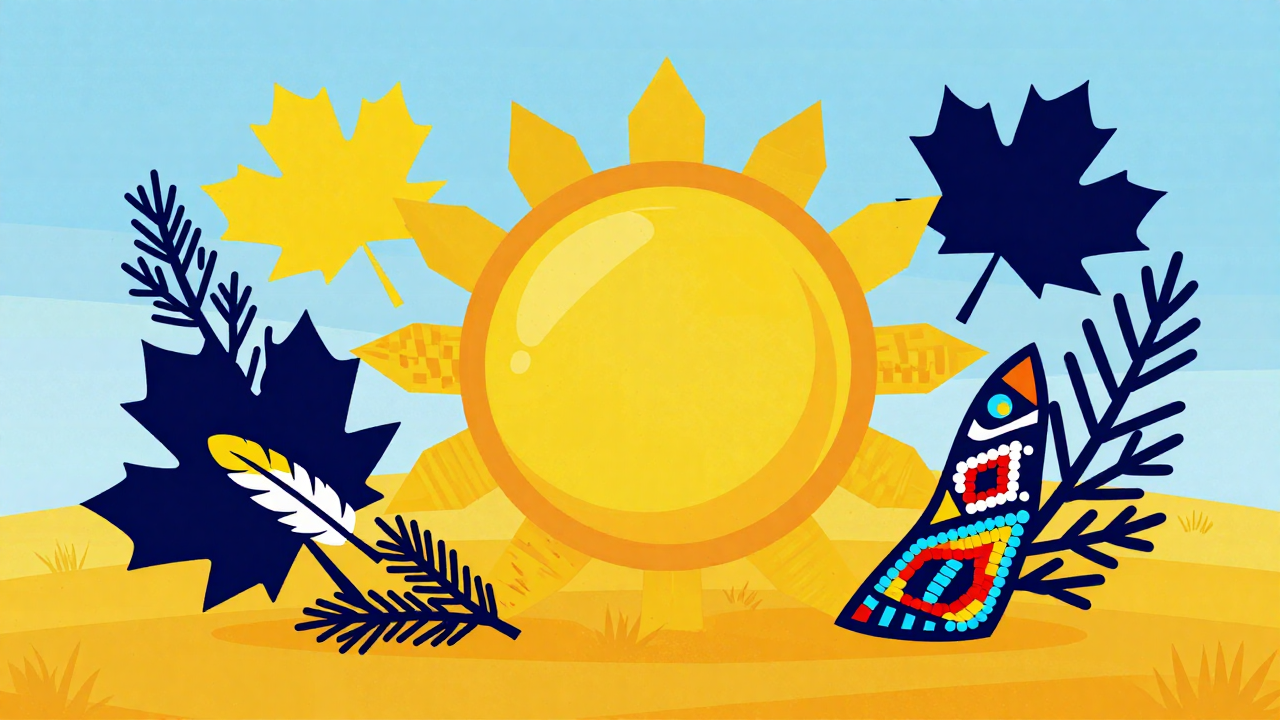
National Aboriginal Day, celebrated on June 21, is a vibrant occasion that honors the rich culture, history, and contributions of Indigenous Peoples in Canada. This special day invites everyone to engage with and appreciate the diverse traditions of the First Nations, Inuit, and Métis communities. As the summer solstice, a time when the sun shines its longest, June 21 also symbolizes the flourishing of Indigenous cultures across the country, showcasing the resilience and creativity of these communities.
On this day, a multitude of events and activities take place, from traditional music and dance performances to art exhibitions and storytelling sessions. Communities come together to share their unique heritages, fostering a deeper understanding and respect among all Canadians. National Aboriginal Day serves not only as a celebration but also as a reminder of the ongoing journey towards reconciliation and recognition of Indigenous rights. Whether you're participating in local festivities or learning about Indigenous cultures, June 21 is a wonderful opportunity to embrace and celebrate the richness of Canada's Indigenous heritage.
History
National Aboriginal Day is observed on June 21 each year in Canada, marking a significant occasion to celebrate and recognize the contributions, culture, and heritage of First Nations, Inuit, and Métis peoples. The origins of this observance can be traced back to the late 20th century, particularly to the 1996 announcement by then-Governor General Romeo LeBlanc. The day was designated as a time for Canadians to learn about and appreciate the diverse cultures and traditions of Indigenous peoples. The choice of June 21 is particularly symbolic as it coincides with the summer solstice, a time that holds spiritual importance for many Indigenous cultures, representing renewal and the interconnectedness of nature.
Over the years, National Aboriginal Day has evolved from a largely regional observance into a nationwide celebration. Initially celebrated in the Northwest Territories, it gained traction in other provinces and territories, becoming an official day of recognition in 1996. The day has been embraced by communities across Canada, with various events such as cultural performances, art exhibitions, educational workshops, and community feasts taking place. These activities foster understanding and appreciation among non-Indigenous Canadians while empowering Indigenous communities to share their stories and heritage.
Culturally, National Aboriginal Day serves as a powerful reminder of the rich and diverse traditions that Indigenous peoples contribute to Canadian society. It is an opportunity for all Canadians to engage with Indigenous cultures, whether through traditional music, dance, art, or storytelling. The observance encourages dialogue about the challenges faced by Indigenous peoples throughout history and the ongoing efforts toward reconciliation. It highlights the importance of preserving Indigenous languages and traditions, as well as recognizing the rights and dignity of Indigenous communities.
As this day continues to grow in prominence, it plays a crucial role in fostering a deeper understanding of Indigenous cultures among Canadians. National Aboriginal Day not only commemorates the past but also encourages a vision for a more inclusive future. By celebrating the vibrant heritage of Indigenous peoples on June 21, Canada acknowledges the importance of unity, respect, and collaboration among all its citizens.