Namibia Independence Day
Namibia
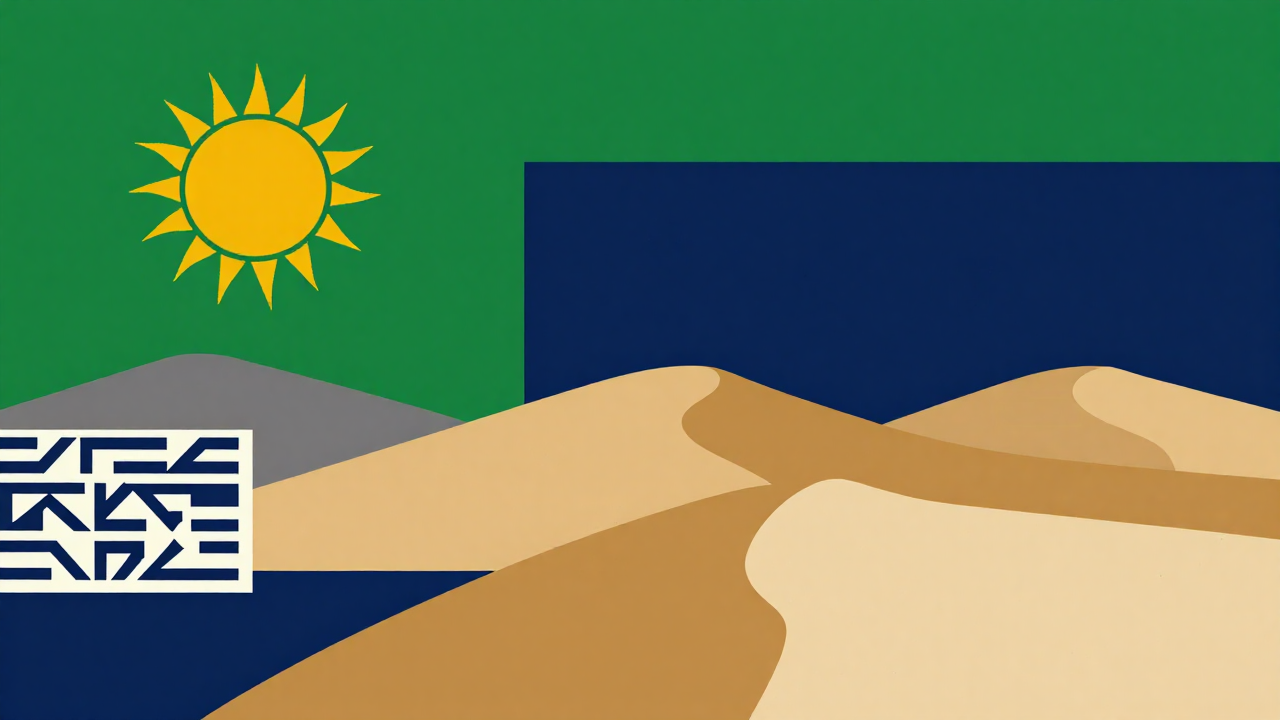
About
Namibia Independence Day, celebrated on March 21, is a momentous occasion that honors the nation's liberation from colonial rule and its journey towards self-determination. This poignant day marks the anniversary of Namibia's independence in 1990, a time when the people joyfully embraced their freedom after years of struggle. Celebrations are filled with vibrant displays of culture, pride, and unity, as Namibians reflect on their history and the hard-fought battles that led to this significant milestone.
Throughout the country, festivities on March 21 include parades, traditional music, and dances that highlight Namibia's rich cultural heritage. Communities come together to celebrate their achievements and the progress they have made as a nation. Schools and organizations often engage in educational activities that emphasize the importance of independence and the values of patriotism and resilience. As Namibians celebrate this day with heartfelt joy, they also look forward to building a brighter future, reminding everyone of the power of unity and the spirit of freedom that defines their beautiful country.
History
Namibia Independence Day, observed on March 21, commemorates the nation’s hard-fought liberation from colonial rule, particularly from South African administration, which had lasted for several decades. The origins of this observance can be traced back to the prolonged struggle for independence that began in the early 20th century. Namibia, formerly known as South West Africa, was subject to German colonial rule until World War I, after which it came under South African control. The quest for independence gained momentum in the 1960s, led by the South West Africa People’s Organization (SWAPO), which became the principal liberation movement fighting against colonial oppression and advocating for the rights of the Namibian people.
The struggle for independence culminated on March 21, 1990, when Namibia officially became a sovereign state after years of conflict and negotiations. This date marks the end of a protracted liberation war that included armed resistance and political activism, as well as significant international support for Namibia's right to self-determination. The day is not only a celebration of independence but also a reflection on the sacrifices made by many Namibians who fought for freedom, making it a poignant reminder of their resilience and unity.
Over the years, Namibia Independence Day has evolved into a national celebration characterized by various events, including parades, cultural performances, and speeches from political leaders. The day serves as an opportunity for Namibians to reflect on their history, celebrate their achievements, and reaffirm their commitment to building a united and prosperous nation. It fosters national pride and serves as a platform to educate younger generations about the struggles endured in the fight for liberty.
Culturally, Namibia Independence Day holds significant meaning for the diverse groups within the country. It is a time for people to come together, recognizing the rich tapestry of cultures that compose Namibian society. Traditional music, dance, and art are integral parts of the celebrations, showcasing the nation’s heritage and cultural identity. The observance underscores the importance of solidarity among Namibians as they continue to navigate the complexities of nation-building in the years following independence. As such, March 21 stands as a powerful reminder of the values of freedom, democracy, and unity that are essential to the ongoing development of Namibia as a nation.