Missouri Compromise Day
United States
About
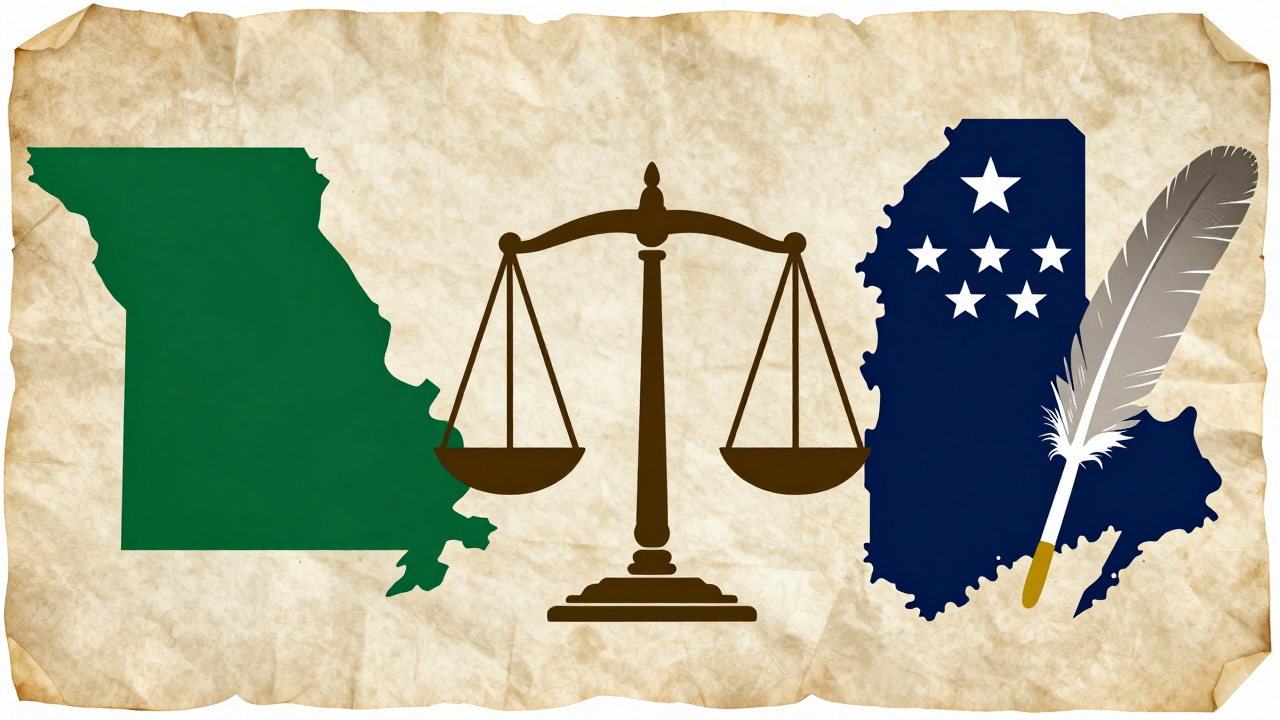
Missouri Compromise Day, observed on March 3, serves as a significant reminder of a pivotal moment in American history. On this day in 1820, a critical agreement was reached that aimed to maintain the delicate balance between slave and free states as the nation expanded westward. The Missouri Compromise allowed Missouri to enter the Union as a slave state while simultaneously admitting Maine as a free state, thus preserving the balance of power in Congress. This historic legislation also established the 36°30′ parallel as the boundary for slavery in the new territories, an important step in the ongoing struggle over the issue of slavery in the United States.
As we reflect on Missouri Compromise Day, it’s an opportunity to delve into the complexities of our nation’s past and the efforts made to navigate the turbulent waters of sectionalism. This observance invites individuals and communities to engage in discussions about the historical context and consequences of the compromise, fostering a deeper understanding of how it shaped the future of America. Whether through educational programs, community events, or personal reflection, March 3 becomes a day to honor the legacy of compromise and its role in our collective journey toward equality and justice.
History
Missouri Compromise Day is observed annually on March 3, commemorating the legislative agreement reached in 1820 that sought to balance the interests of slave and free states in the United States. The compromise arose amid rising tensions over the expansion of slavery into newly acquired territories following the Louisiana Purchase. As Missouri sought admission to the Union as a slave state, it ignited a fierce debate in Congress. The resulting compromise allowed Missouri to enter the Union as a slave state while Maine was admitted as a free state, thus maintaining a delicate balance between the two factions. Additionally, the compromise established a boundary line at latitude 36°30′, north of which slavery would be prohibited in the remaining territories of the Louisiana Purchase.
Over time, the Missouri Compromise would be viewed as a temporary solution to a deeply rooted conflict. Initially, it succeeded in maintaining peace between pro-slavery and anti-slavery factions for over three decades. However, as new territories were acquired and the nation expanded westward, the limitations set by the compromise became increasingly contested. The introduction of the Kansas-Nebraska Act in 1854, which allowed for popular sovereignty in determining the status of slavery in those territories, effectively repealed the Missouri Compromise and reignited national tensions. This led to violent conflicts known as "Bleeding Kansas" and eventually played a significant role in the lead-up to the Civil War.
Culturally, Missouri Compromise Day serves as a reminder of the complexities and challenges of American democracy in addressing contentious issues like slavery. It highlights the struggle between differing regional interests and the attempt to find a middle ground in a rapidly growing nation. The observance also encourages reflection on the compromises that have shaped American history and the consequences of failing to address fundamental human rights issues. In educational settings, the day often serves as an opportunity for discussions about the historical context of the compromise, its implications, and the ongoing relevance of such compromises in contemporary society.
As we reflect on Missouri Compromise Day each March 3, it is essential to recognize the historical significance of this legislative act and its lasting impact on the United States. The events surrounding the Missouri Compromise underscore the importance of dialogue and negotiation in addressing divisive issues, a lesson that continues to resonate in modern discourse.