Midsummer
Sweden, Finland, Norway, Denmark, Iceland, Estonia, Latvia, Lithuania, Germany, Poland
About
Midsummer, celebrated on June 24, is a vibrant and enchanting observance that marks the peak of summer in many cultures. This day is often associated with the summer solstice, when the sun shines its brightest and longest, creating an atmosphere filled with warmth and joy. Traditionally, Midsummer is a time for communities to come together, celebrate the bounties of nature, and embrace the beauty of the season. From lively gatherings filled with music and dancing to peaceful moments spent in nature, this day is a delightful reminder of the abundance summer has to offer.
Across various cultures, Midsummer is steeped in rich folklore and customs. In many Scandinavian countries, for instance, people celebrate with flower crowns, bonfires, and feasts featuring seasonal delicacies. The festivities often include rituals to honor the earth, fertility, and the light, making it a cherished occasion for both reflection and celebration. Whether you’re sharing a meal with loved ones or participating in local festivities, June 24 invites everyone to pause and revel in the magic of summer, creating lasting memories under the warm sun.
History
Midsummer, celebrated on June 24, has its roots in ancient pagan traditions, particularly those of the Germanic and Celtic peoples. This observance aligns closely with the summer solstice, the longest day of the year, which typically occurs around June 21. Midsummer festivities often revolved around themes of fertility, abundance, and the power of the sun, as communities gathered to celebrate the height of summer and the earth's bountiful offerings. The name "Midsummer" itself originates from the Old English “mid-summer,” reflecting the period when the sun reaches its peak in the sky.
As Christianity spread through Europe, many pagan Midsummer customs were adapted and incorporated into Christian celebrations. The date of June 24 was designated as the feast day of St. John the Baptist, which allowed for a blending of traditions. Bonfires, a central feature of Midsummer celebrations, were lit to honor the saint and to symbolize the triumph of light over darkness. This duality of celebration—both pagan and Christian—allowed Midsummer to evolve into a festival that retained its roots while also embracing new religious significance.
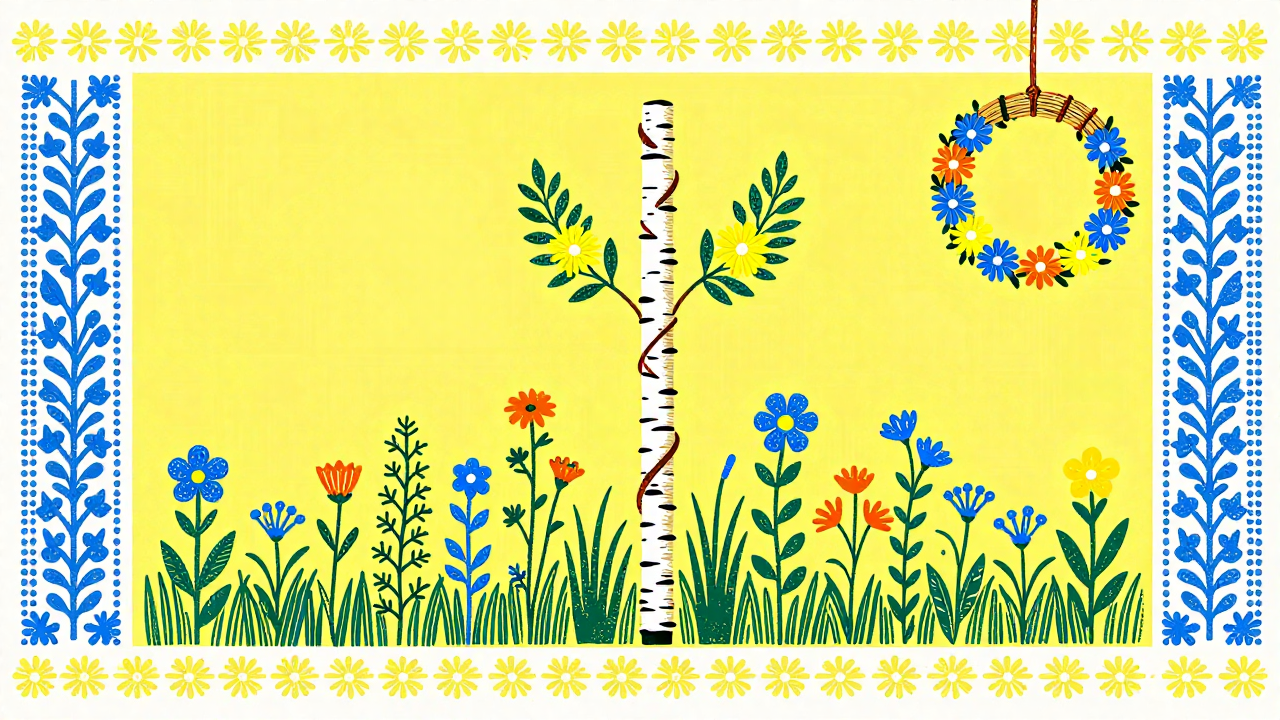
Over time, Midsummer became an important cultural event across various countries, particularly in Scandinavia and the British Isles. In Sweden, for instance, the Midsummer celebration involves raising and decorating a maypole, dancing, and enjoying traditional foods, marking one of the most significant holidays of the year. In other regions, the festivities may include rituals intended to ensure good harvests, reflecting the agrarian societies that revered the summer season as critical for agriculture.
Culturally, Midsummer serves as a celebration of nature, community, and the cyclical rhythms of life. It represents a time for people to gather, reflect, and engage in communal activities that reinforce social bonds. The rituals associated with Midsummer have varied widely, from lighting bonfires and singing folk songs to engaging in games and feasting. Ultimately, the observance of Midsummer on June 24 continues to be a vibrant expression of cultural heritage and seasonal celebration, echoing the ancient traditions that honor the sun and its life-giving energy.