Inti Raymi
Peru
About
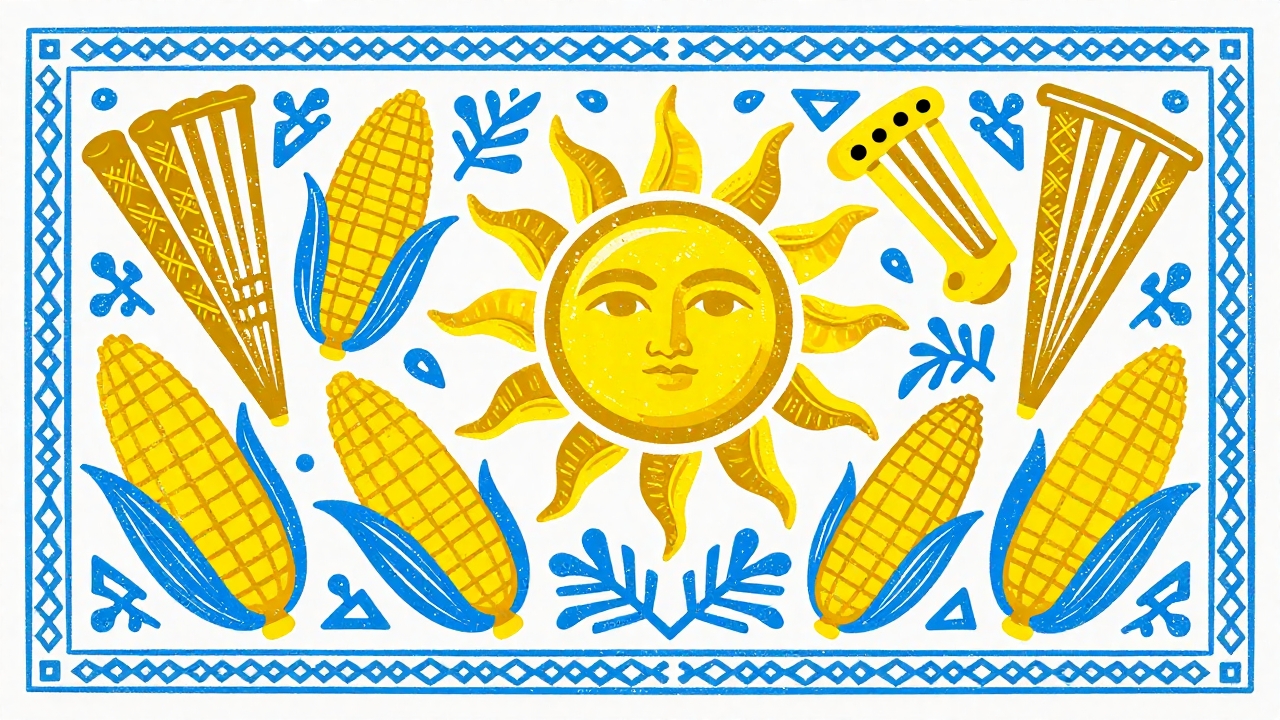
Inti Raymi, celebrated on June 24, is a vibrant festival that pays homage to the Incan sun god, Inti. This ancient tradition, rooted in the rich cultural heritage of the Andean people, marks the winter solstice in the Southern Hemisphere, symbolizing the return of longer days and the revitalization of nature. The celebration draws thousands of visitors to Cusco, Peru, where the festivities unfold with a stunning blend of rituals, music, dance, and colorful costumes, creating a captivating atmosphere that honors both the past and the present.
During Inti Raymi, participants engage in various ceremonies that express gratitude for the sun's life-giving energy and celebrate the agricultural cycles that sustain communities. The highlight of the festival is a reenactment of the Incan rituals at the Sacsayhuamán fortress, where the Sun is welcomed with offerings and prayers. This enchanting event not only strengthens the bonds of community but also invites everyone to reflect on the importance of nature and the connections we share with each other. Whether you find yourself in Peru or simply learning about this lively celebration, Inti Raymi on June 24 serves as a beautiful reminder of the enduring legacy of the Incan civilization and the universal reverence for the sun.
History
Inti Raymi, also known as the Festival of the Sun, is a traditional Incan celebration that takes place annually on June 24. This vibrant festival honors Inti, the Sun God, who was considered one of the most important deities in the Inca pantheon. The roots of Inti Raymi can be traced back to the Inca Empire in the 15th century, when it served as a significant agricultural celebration marking the winter solstice in the Southern Hemisphere. The event was a time for the Incas to give thanks to the sun for its life-giving warmth and light, which were essential for crop growth and overall prosperity.
Over the centuries, Inti Raymi evolved significantly, especially after the Spanish conquest in the 16th century, which led to the suppression of many Indigenous practices. Despite this, the festival managed to endure in modified forms, primarily in the Andean region of Peru. In the 20th century, it experienced a revival, largely thanks to the efforts of the Peruvian government and cultural organizations that sought to reclaim and celebrate Indigenous heritage. Today, Inti Raymi is recognized not only as a religious observance but also as a key cultural event that showcases the rich history and traditions of the Andean people.
Culturally, Inti Raymi plays a vital role in the identity of the Indigenous communities in Peru. The festival is marked by elaborate ceremonies, including the reenactment of Incan rituals, traditional music, and dance, which take place in the historic Sacsayhuamán complex near Cusco. Hundreds of performers dressed in colorful costumes participate, and the event attracts thousands of visitors from around the world, highlighting the enduring significance of this ancient celebration. By observing Inti Raymi on June 24, participants reaffirm their connection to their ancestors and their cultural heritage, fostering a sense of unity and pride among the Andean peoples.
In summary, Inti Raymi is a profound expression of Incan spirituality and cultural resilience. Its origins date back to the Inca Empire, and despite centuries of change, the festival has endured and evolved, becoming a symbol of Indigenous identity in modern Peru. As it continues to be celebrated on June 24, Inti Raymi serves as a reminder of the importance of the sun in agricultural life and the rich tapestry of traditions that define Andean culture.