Memorial Day Of The 1848 Revolution
Hungary
About
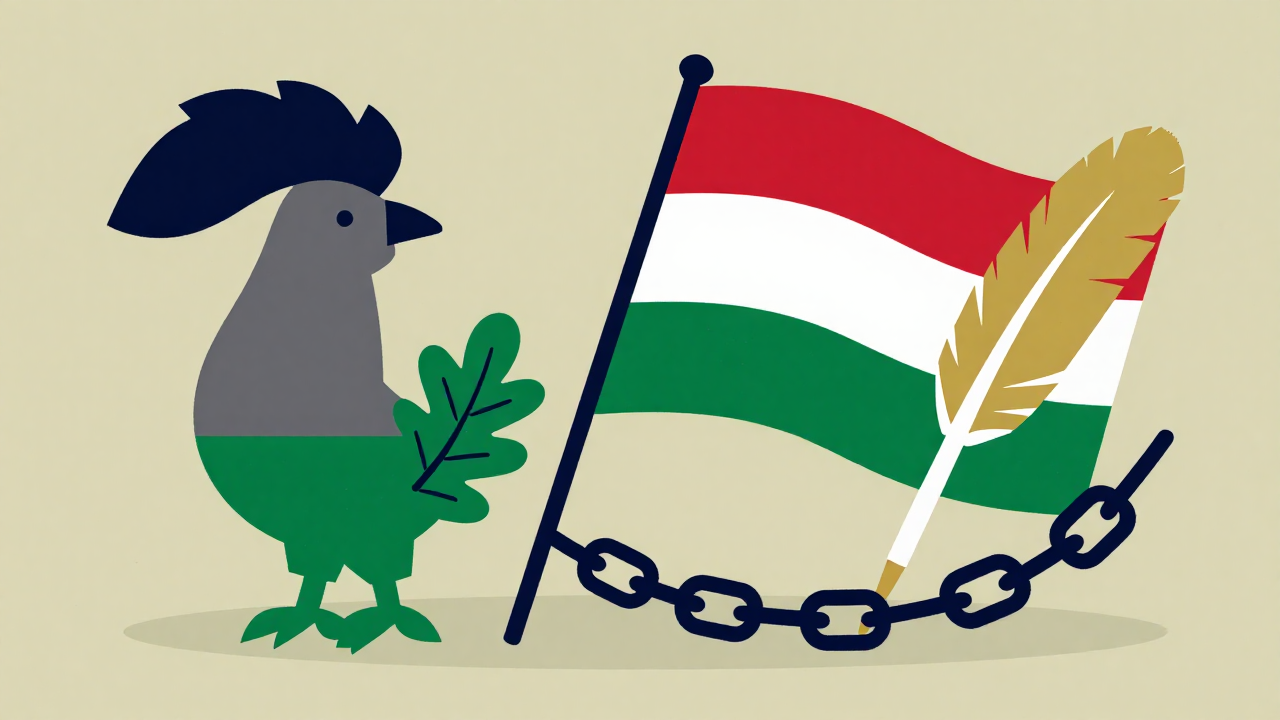
Memorial Day Of The 1848 Revolution is observed on March 15 each year, serving as a poignant reminder of the remarkable events that unfolded during the Hungarian Revolution of 1848. This day honors the courage and determination of those who fought for national independence and democratic reforms in Hungary. The revolution was sparked by a wave of liberal movements across Europe, and it aimed to break free from the Habsburg rule, ushering in a new era of hope and possibility for the Hungarian people.
As communities come together on this significant day, they reflect on the sacrifices made by the revolutionaries and the enduring legacy of their struggle for freedom. Memorial Day Of The 1848 Revolution is not just about remembering history; it's also about celebrating the values of liberty, justice, and unity. Festivities often include gatherings, educational events, and cultural performances that pay homage to the spirit of the revolution. On March 15, individuals and families alike are encouraged to participate in these observances, fostering a sense of pride in their heritage and a commitment to the ongoing pursuit of democratic ideals.
History
Memorial Day of the 1848 Revolution is observed on March 15 each year, commemorating the pivotal events of the Hungarian Revolution that began in 1848. This uprising was part of a series of interconnected revolutionary movements that swept across Europe during the spring of nations, driven by a desire for national independence, civil rights, and social equality. The Hungarian Revolution aimed to achieve greater autonomy from the Habsburg Empire, reflecting the broader struggles for self-determination that characterized the era.
The origins of this observance can be traced back to the revolutionary fervor that erupted in Hungary on March 15, 1848. Sparked by a series of demands for reforms, including freedom of the press, the abolition of serfdom, and a parliamentary system, the movement quickly garnered widespread support among various segments of Hungarian society. The initial peaceful demonstrations in Pest (now part of modern-day Budapest) escalated into a national movement, leading to significant changes in governance and the eventual establishment of a Hungarian government. However, the revolution faced brutal suppression, culminating in a tragic defeat by Habsburg forces in 1849.
Over time, Memorial Day of the 1848 Revolution has evolved from a day of remembrance of the fallen heroes of the revolution into a broader celebration of Hungarian national identity and independence. The commemoration serves not only as a tribute to those who fought for freedom but also as a reminder of the ongoing struggles for democracy and human rights. The observance is marked by various events, including speeches, parades, and cultural performances, fostering a sense of unity among Hungarians and reinforcing their commitment to the principles of liberty and justice.
Culturally, March 15 has become a symbol of resistance and hope for many Hungarians. The observance is infused with national pride, as it highlights the resilience and courage of those who stood against oppression. Schools, civic organizations, and political leaders participate in the day's activities, ensuring that the legacy of the revolution continues to inspire future generations. As the nation reflects on its past, Memorial Day of the 1848 Revolution serves as a powerful reminder of the importance of fighting for one's rights and the enduring quest for national sovereignty.