Clean Monday
Greece, Cyprus
About
Clean Monday, observed on March 15, marks the beginning of Great Lent in the Eastern Orthodox Christian tradition. This day holds significant spiritual importance as it invites individuals to embark on a journey of reflection and renewal. As families and communities gather, they often partake in a special meal that features a variety of plant-based foods, emphasizing simplicity and purity. The day is celebrated with joy and hope, symbolizing a fresh start and the opportunity to cleanse both body and spirit.
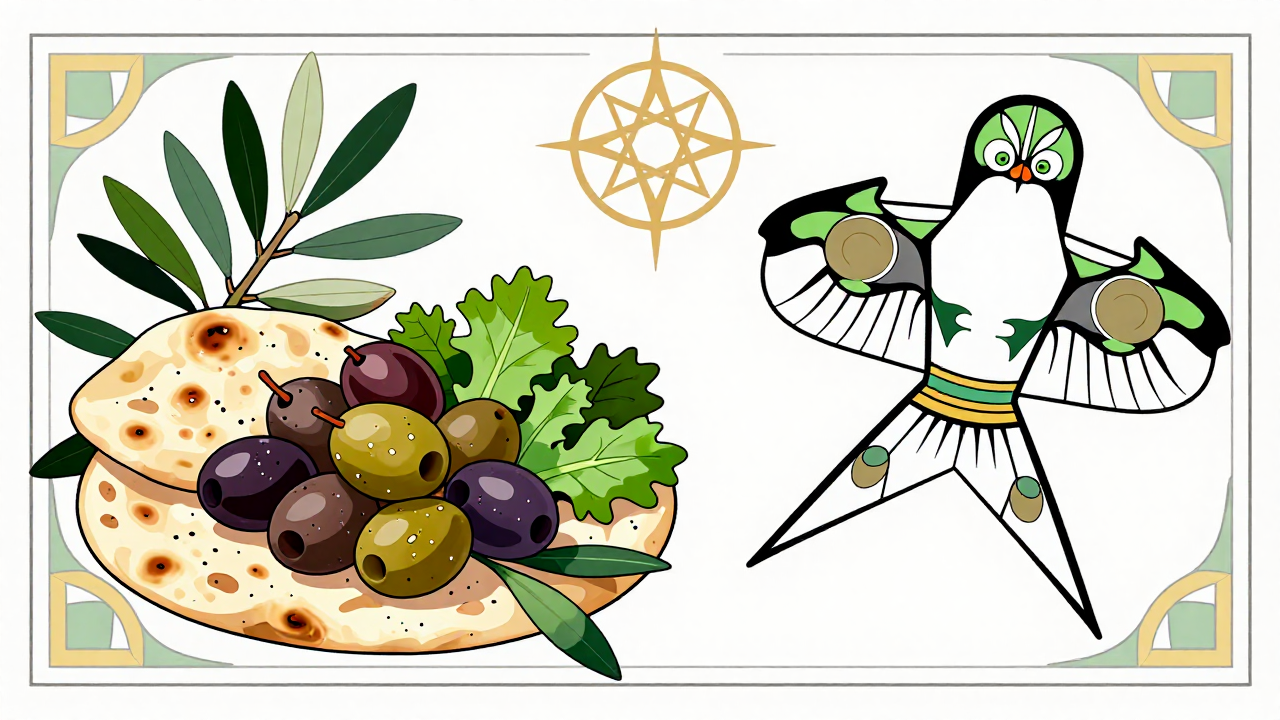
In many cultures, Clean Monday is also a time for outdoor activities, as people embrace the arrival of spring and the beauty of nature. It’s common for families to enjoy picnics, while children participate in kite flying, symbolizing the lifting of the spirit. The observance encourages individuals to let go of past grievances and embrace a more peaceful and harmonious way of living. By dedicating this day to mindfulness and community, Clean Monday serves as a beautiful reminder of the importance of renewal, both personally and collectively, as we prepare for the sacred season of Lent ahead.
History
Clean Monday, observed on March 15, marks the beginning of Great Lent in the Eastern Orthodox Christian tradition. Its origins trace back to the early Christian practices associated with repentance and spiritual cleansing. The day is a call for believers to purify themselves, both physically and spiritually, as they prepare for the solemn observance of Lent leading up to Easter. The name "Clean Monday" reflects this emphasis on cleanliness, symbolizing a fresh start as participants seek to renew their faith and commitment.
Historically, Clean Monday has roots in the practices of the early church. It is believed that the observance was established by the Eastern Orthodox Church around the 4th century AD. This day was chosen to coincide with the beginning of Lent, which is a period of fasting and reflection that lasts for 40 days, culminating in Holy Week and Easter Sunday. Over time, various customs associated with Clean Monday emerged, including the consumption of specific foods, such as vegetarian and vegan dishes, as a way to honor the fasting traditions.
Culturally, Clean Monday holds significant meaning in countries with strong Orthodox Christian traditions, such as Greece and Cyprus. In Greece, it is known as "Kathara Deftera" and is celebrated with outdoor picnics, where families and friends gather to enjoy traditional foods like olives, bread, and various dips. This communal aspect of the observance fosters a sense of unity and connection among participants, emphasizing the importance of community in the journey of faith.
As the observance evolved, Clean Monday became more than just a religious occasion; it transformed into a cultural event that highlights the changing of seasons, as it falls in early spring. The day is often associated with the arrival of nature’s renewal, symbolizing hope and new beginnings. This duality of purpose—spiritual renewal and celebration of nature—makes Clean Monday a unique observance that continues to resonate with many today, as they embrace both their faith and the beauty of the world around them.