Mediterranean Diet Month
Greece, Italy, Spain, Turkey, France, Portugal, Malta
About
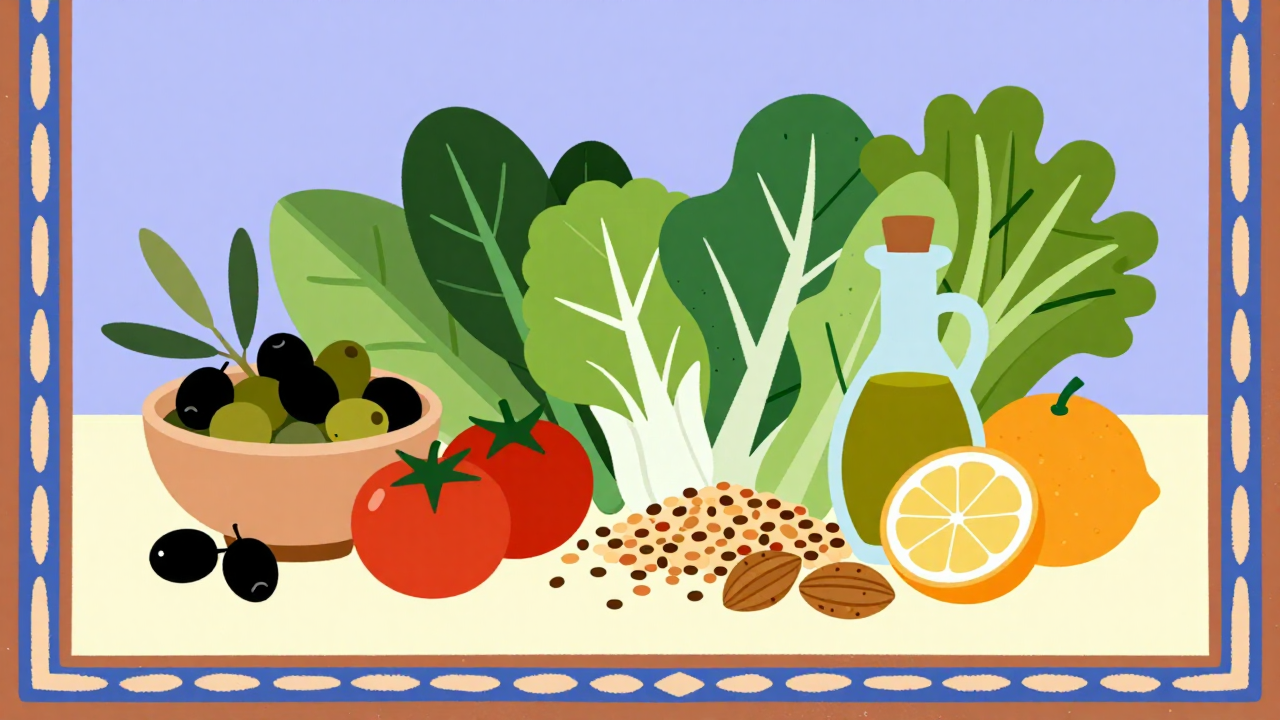
May is a delightful time to celebrate Mediterranean Diet Month, a vibrant observance that encourages us to embrace the flavors and health benefits of the Mediterranean diet. This month-long celebration invites everyone to explore the rich culinary traditions of countries bordering the Mediterranean Sea, including Greece, Italy, and Spain. The Mediterranean diet emphasizes fresh, wholesome ingredients such as fruits, vegetables, whole grains, nuts, and healthy fats, particularly olive oil. By incorporating these foods into our daily lives, we not only enhance our meals but also promote overall well-being.
As we delve into the spirit of Mediterranean Diet Month, we can take this opportunity to experiment with new recipes, gather with friends and family around the table, and savor the joy of shared meals. From colorful salads bursting with seasonal produce to hearty dishes featuring legumes and seafood, the Mediterranean diet offers a delightful array of options that cater to various tastes and preferences. So, let’s celebrate the healthful and delicious lifestyle that the Mediterranean diet embodies, nourishing both our bodies and our relationships throughout this beautiful month.
History
Mediterranean Diet Month is celebrated throughout May, highlighting the health benefits and cultural significance of the Mediterranean dietary pattern. This observance originated in the mid-20th century when researchers began to recognize the connection between diet and health among populations living in Mediterranean countries such as Italy, Greece, and Spain. The Mediterranean diet is characterized by an abundance of fruits, vegetables, whole grains, legumes, nuts, olive oil, and moderate consumption of fish and poultry, with limited intake of red meat and sweets. This combination not only promotes physical health but also fosters a lifestyle centered on family meals and social interactions.
As awareness of the Mediterranean diet's benefits grew, particularly in the 1980s and 1990s, health professionals and nutritionists began advocating for its adoption in countries beyond the Mediterranean region. Studies linked the diet to reduced risks of chronic diseases such as heart disease, diabetes, and certain cancers, showcasing its potential as a model for healthy eating worldwide. The observance of Mediterranean Diet Month emerged as a way to encourage individuals to explore and embrace this dietary lifestyle, promoting not only improved health outcomes but also cultural appreciation for the Mediterranean way of life.
Culturally, the Mediterranean diet embodies more than just food; it is a reflection of a shared heritage and communal practices. Meals are often viewed as opportunities for connection, emphasizing the importance of family and community. During Mediterranean Diet Month, various activities, workshops, and cooking demonstrations are held to educate people about the principles of the diet and how to incorporate them into their daily lives. This celebration serves as a reminder of the joy found in cooking and sharing meals, as well as the rich culinary traditions that span the Mediterranean region.
Over the years, Mediterranean Diet Month has evolved to include a broader range of educational initiatives, including social media campaigns and partnerships with health organizations. These efforts aim to reach diverse audiences and make the benefits of the Mediterranean diet accessible to everyone, regardless of where they live. By promoting the diet's emphasis on plant-based foods and healthy fats, this observance continues to inspire individuals and communities to adopt healthier eating habits, fostering a greater appreciation for the cultural and healthful aspects of the Mediterranean lifestyle.