American Wetlands Month
United States
About
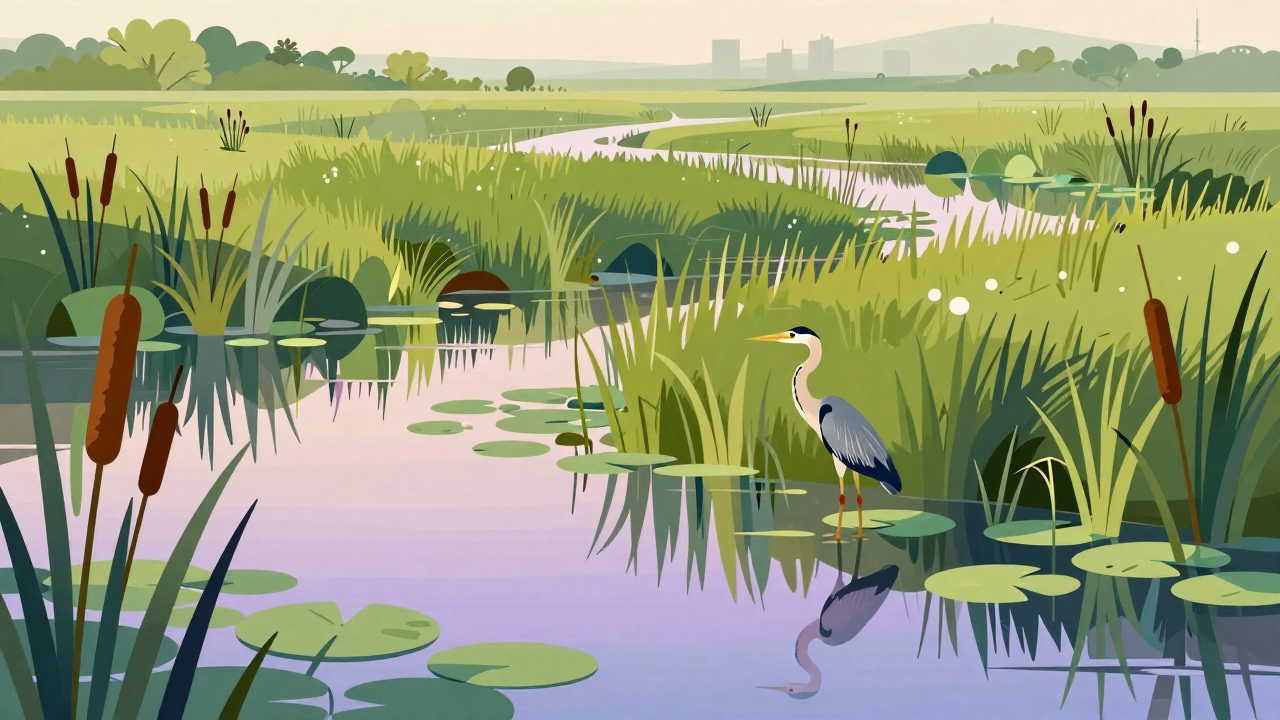
American Wetlands Month is a wonderful time to celebrate and raise awareness about the vital role that wetlands play in our ecosystem. Observed throughout May, this month encourages individuals and communities to appreciate these unique habitats that are home to diverse wildlife and plants. Wetlands act as natural sponges, absorbing excess rainwater and providing critical flood protection, while also filtering pollutants and improving water quality. By highlighting the importance of these ecosystems, American Wetlands Month serves as a reminder of our shared responsibility to protect and restore these essential environments.
Throughout May, various organizations, schools, and communities engage in activities that promote the conservation of wetlands. Workshops, clean-up efforts, and educational programs foster a deeper understanding of the significance of these areas, not just for wildlife but also for human enjoyment and environmental health. Whether you’re hiking through a local wetland, participating in community events, or simply taking time to learn about these fascinating ecosystems, American Wetlands Month invites everyone to connect with nature and recognize the beauty and importance of wetlands in our world.
History
American Wetlands Month is observed throughout May and serves as an important reminder of the ecological significance of wetlands within the United States. The origins of this observance can be traced back to 1989 when the Environmental Protection Agency (EPA) and the U.S. Army Corps of Engineers initiated the recognition of wetlands as critical ecosystems. The month was established to raise awareness about the importance of wetlands in maintaining biodiversity, water quality, and providing vital habitat for numerous species of flora and fauna.
Over time, American Wetlands Month has evolved into a platform for education and advocacy, engaging various stakeholders, including environmental organizations, government agencies, and local communities. The observance has fostered a greater understanding of the threats wetlands face, such as pollution, urban development, and climate change. This awareness has led to increased efforts in conservation, restoration, and sustainable management of wetland resources. Throughout the years, various campaigns, educational programs, and community activities have been organized to highlight the value of wetlands and encourage public participation in their protection.
Culturally, American Wetlands Month emphasizes the intrinsic connection between wetlands and the American landscape. These ecosystems play a crucial role in flood control, water purification, and carbon sequestration, making them vital for both environmental health and human well-being. Celebrating American Wetlands Month allows communities to reflect on the historical and cultural significance of wetlands, which have been used for recreation, agriculture, and traditional practices by Indigenous peoples for centuries.
As awareness surrounding environmental issues continues to grow, American Wetlands Month remains a vital observance that encourages citizens to engage with their natural surroundings and advocate for the preservation of these essential ecosystems. Through educational initiatives and community involvement, the observance not only highlights the importance of wetlands but also inspires actions that contribute to a sustainable future.