Maundy Thursday
United Kingdom, Canada, Australia, New Zealand, Philippines, Germany, Spain, Italy, Ireland, South Africa
About
Maundy Thursday, observed on March 25, is a significant day in the Christian calendar, marking the last supper of Jesus Christ with His disciples before His crucifixion. This poignant occasion is rich in tradition and meaning, as it encapsulates themes of love, service, and sacrifice. The term “Maundy” is derived from the Latin word "mandatum," meaning "command," which refers to Jesus' instruction to His followers to love one another, just as He has loved them.
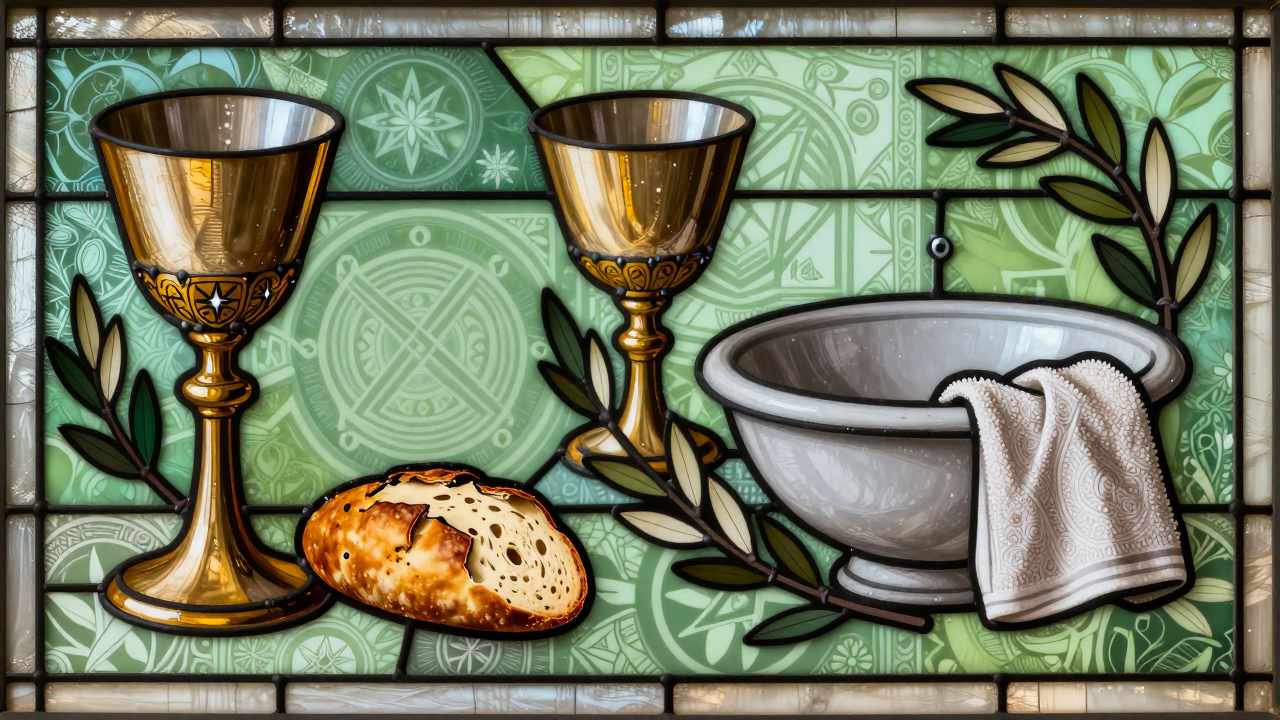
On Maundy Thursday, many Christians participate in services that may include the washing of feet, a symbolic act that emphasizes humility and the importance of serving others. This day invites reflection on the profound acts of love and the establishment of the Eucharist, or Holy Communion, which Jesus shared with His disciples. As families and congregations gather to commemorate this sacred evening, they often engage in prayers, hymns, and the sharing of bread and wine, deepening their connection to the faith and to one another. Whether through quiet contemplation or communal celebration, Maundy Thursday encourages a spirit of togetherness and remembrance, shining a light on the journey toward Easter Sunday.
History
Maundy Thursday, observed on March 25, holds significant importance within the Christian liturgical calendar, marking the day that commemorates the Last Supper of Jesus Christ with his apostles. The term "Maundy" is derived from the Latin word "mandatum," meaning "command." This references Jesus' commandment to his disciples to love one another, which he imparted during the meal. The observance is rooted in the New Testament accounts found in the Gospels, particularly in the context of the Passover feast, which Jesus celebrated before his crucifixion.
The origins of Maundy Thursday can be traced back to the early Christian communities, where the Last Supper was remembered as a pivotal moment in the life of Jesus and the establishment of the Eucharist. The observance began to take on formal characteristics by the 4th century, as the Church sought to commemorate the events leading up to Easter. The day was incorporated into Holy Week, which includes Palm Sunday, Maundy Thursday, Good Friday, and Easter Sunday, creating a narrative arc that highlights the passion and resurrection of Christ.
Over the centuries, Maundy Thursday has evolved to include various traditions and practices across different cultures. In many Western Christian denominations, the evening service often includes the washing of feet, symbolizing humility and service, echoing Jesus' actions during the Last Supper. Additionally, the celebration of the Eucharist is a central element of the service, emphasizing the significance of communion as a means of grace and connection among believers.
Culturally, Maundy Thursday has taken on various meanings in different regions. In some countries, it is a day of solemn reflection and preparation for the events of Good Friday and Easter. In others, it has retained a more festive aspect, with communal gatherings and feasting. The observance serves as a reminder of the foundational principles of Christianity—selflessness, love, and sacrifice—thus reinforcing the moral and theological teachings that have shaped Christian thought throughout history. As Maundy Thursday continues to be observed on March 25, it remains a vital part of the Christian tradition, encouraging reflection on the core values that underpin the faith.