Greek Independence Day
Greece, United States, Canada, Australia, Germany
About
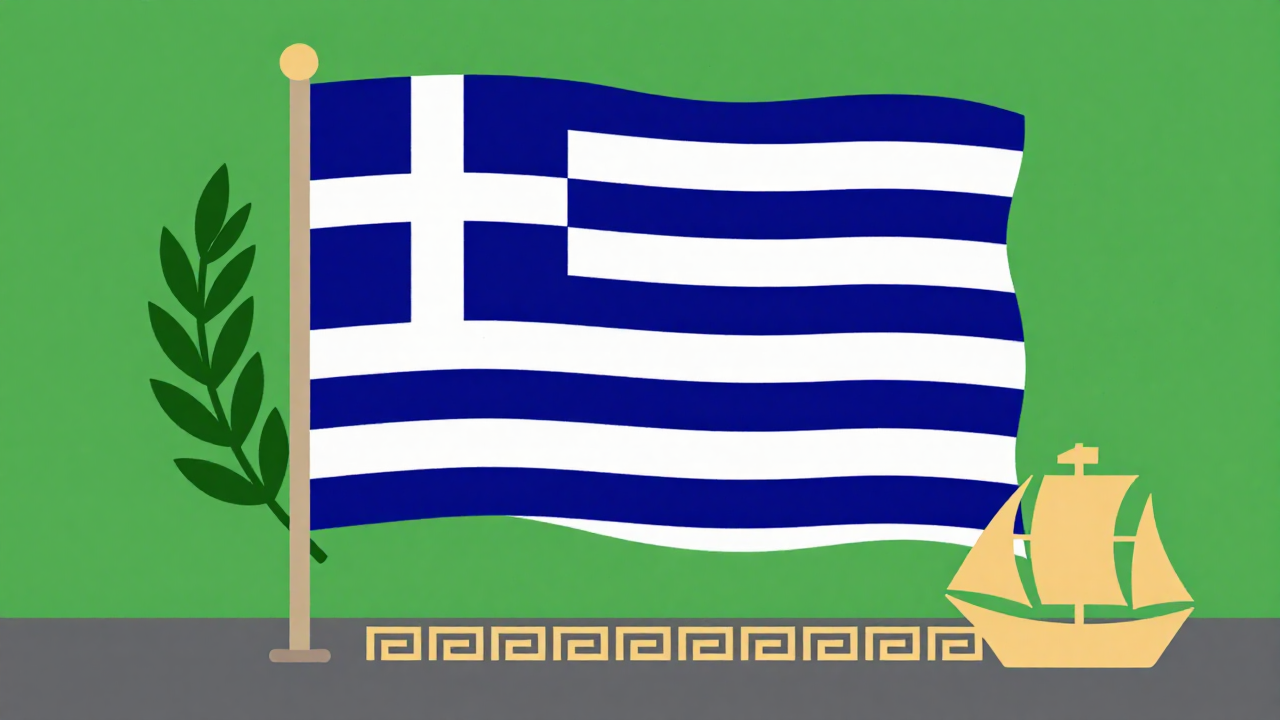
Greek Independence Day, celebrated on March 25, is a vibrant and significant occasion that commemorates Greece's declaration of independence from Ottoman rule in 1821. This day marks a pivotal moment in the country’s history, symbolizing the spirit of freedom and resilience that has characterized the Greek people for centuries. The choice of March 25 is especially meaningful as it coincides with the Feast of the Annunciation, a major religious holiday in the Greek Orthodox Church, further intertwining national pride with cultural heritage.
Festivities on this day are filled with joy and a sense of unity, as Greeks around the world come together to celebrate their rich history and cultural identity. Parades featuring traditional costumes, music, and dance fill the streets, showcasing the beauty of Greek traditions. Families and friends gather to enjoy delicious dishes, often including favorites like moussaka and baklava, while sharing stories of bravery and sacrifice that led to their freedom. Greek Independence Day serves not only as a reminder of the struggles endured for liberty but also as an opportunity to express gratitude for the enduring legacy of independence and national pride.
History
Greek Independence Day is celebrated annually on March 25, commemorating the start of the Greek War of Independence against Ottoman rule in 1821. The origins of this observance are deeply rooted in the desire for national identity and freedom. The revolution was driven by various factors, including a growing sense of nationalism, the influence of Enlightenment ideas, and the desire for religious and cultural autonomy. The date of March 25 was chosen not only for its historical significance but also for its alignment with the Feast of the Annunciation, a significant day in the Eastern Orthodox Church, symbolizing hope and renewal.
The Greek War of Independence lasted from 1821 until 1829, culminating in the establishment of an independent Greek state. The struggle for independence was marked by numerous battles and the involvement of prominent figures, including leaders such as Theodoros Kolokotronis and Georgios Karaiskakis. The revolution inspired Greek communities worldwide and garnered support from foreign philhellenes—individuals who supported the Greek cause for independence. As the nation gradually secured its sovereignty, March 25 was enshrined as a day of national pride and remembrance, officially recognized in 1838.
Over the years, Greek Independence Day has evolved into a significant national holiday, not only in Greece but also among Greek diasporas around the world. Celebrations typically include parades, religious ceremonies, and cultural events, showcasing traditional Greek music, dance, and food. Schools often hold special programs to educate students about the history and significance of the day, fostering a sense of national identity and pride. The day serves as a reminder of the sacrifices made for freedom and the ongoing commitment to preserving Greek culture and heritage.
Culturally, Greek Independence Day has become a symbol of resilience and unity. It embodies the spirit of a nation that fought against oppression and the struggle for self-determination. The observance not only honors the heroes of the revolution but also serves to inspire future generations to uphold the values of liberty and democracy. On March 25, Greeks around the world come together to celebrate their shared history and cultural legacy, reinforcing the significance of independence in the hearts of all Greeks.