March Equinox
United States, Canada, United Kingdom, Australia, India, Japan, Brazil, Mexico, South Africa, New Zealand
About
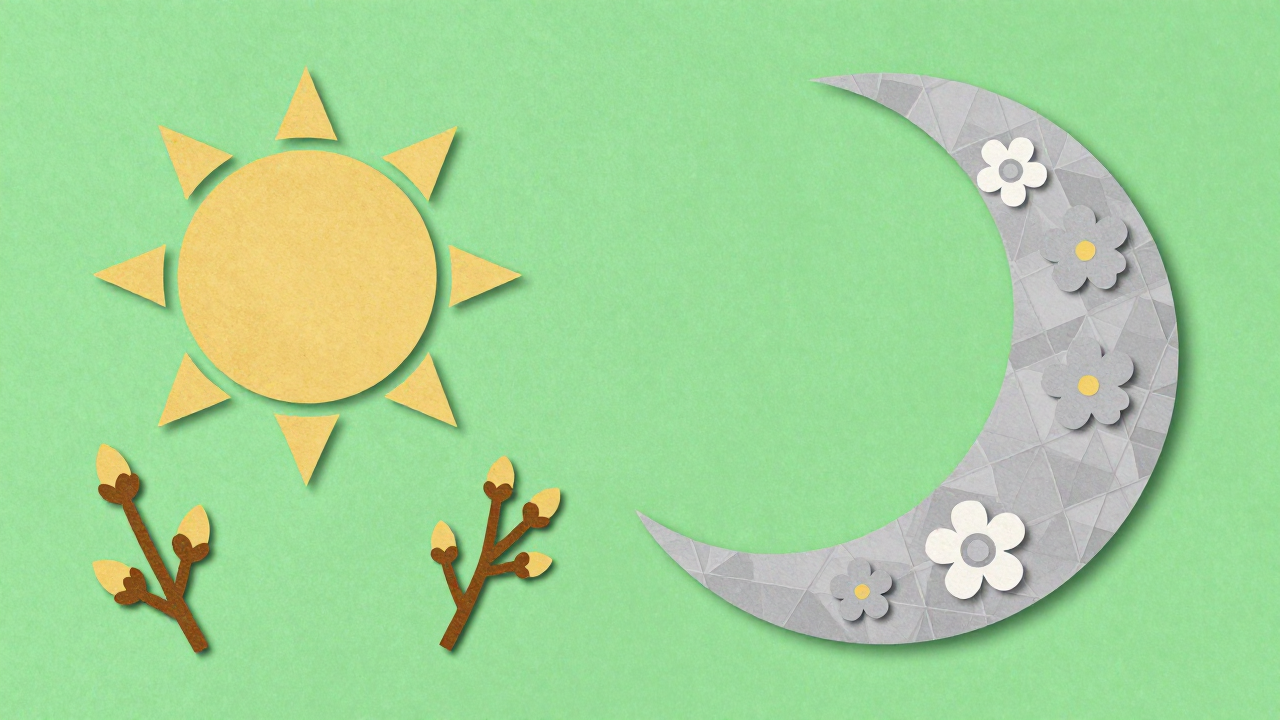
The March Equinox, celebrated on March 20, marks a beautiful turning point in our journey through the year. This day heralds the arrival of spring in the Northern Hemisphere, a time when daylight and darkness are in perfect harmony, each lasting roughly twelve hours. As nature awakens from its winter slumber, the equinox invites us to witness the blooming of flowers, the return of vibrant colors, and the promise of new beginnings. It’s a reminder of balance, renewal, and the cycles of life, encouraging us to step outside and embrace the warmth of the sun.
Around the world, cultures recognize the significance of the March Equinox in various ways. Many celebrate it as a time of fertility and growth, honoring the Earth’s awakening through festivals and rituals. From planting seeds to enjoying outdoor gatherings, the day is filled with joy and optimism as we anticipate the longer days ahead. Whether you’re taking a moment to appreciate the budding blossoms or engaging in community traditions, the March Equinox is a perfect opportunity to reflect on the beauty of balance and the promise of the season to come. So, as March 20 approaches, take a moment to celebrate this enchanting transition and all the possibilities it brings!
History
The March Equinox, occurring on March 20, marks a significant astronomical event when day and night are approximately equal in length worldwide. This phenomenon has been recognized and celebrated across various cultures for centuries, dating back to ancient civilizations. The equinox signifies the start of spring in the Northern Hemisphere and autumn in the Southern Hemisphere, making it a pivotal moment in the solar calendar. Ancient cultures, particularly those in agrarian societies, relied on the equinox to guide their agricultural practices, signifying the time to prepare for planting and harvesting.
Historically, the March Equinox has roots in various ancient traditions. The Egyptians, for example, aligned their pyramids with the sun's position during the equinox. The equinox was also significant to the Mayans, who developed a complex calendar system based on celestial events. They constructed observatories to track the sun's movements, allowing them to predict the equinoxes and solstices with remarkable accuracy. This astronomical knowledge was essential for their agricultural cycles and religious ceremonies, emphasizing the deep connection between astronomy and daily life in those times.
Over the centuries, the March Equinox has evolved into a broader cultural observance, symbolizing renewal, rebirth, and balance. In many cultures, it is associated with various spring festivals that celebrate fertility and new life. For instance, Nowruz, celebrated by Persians and other cultures, occurs around the equinox and heralds the Persian New Year. Similarly, in Japan, the equinox is linked to the celebration of Shunbun no Hi, where families honor their ancestors and enjoy the blooming cherry blossoms. These observances showcase the equinox's significance as a time of reflection and new beginnings.
In contemporary society, the March Equinox continues to hold importance both scientifically and culturally. It is widely recognized as Earth Day, which emphasizes environmental awareness and sustainability. As scientists and environmentalists highlight the importance of equilibrium in nature, the equinox serves as a reminder of the delicate balance in ecosystems. The observance encourages individuals and communities to foster connections with the natural world, promoting a collective responsibility for preserving the environment as we transition into a season of growth and renewal. Thus, the March Equinox remains a powerful symbol of change and balance, resonating through various cultures and practices to this day.