Louis Riel Day
Canada
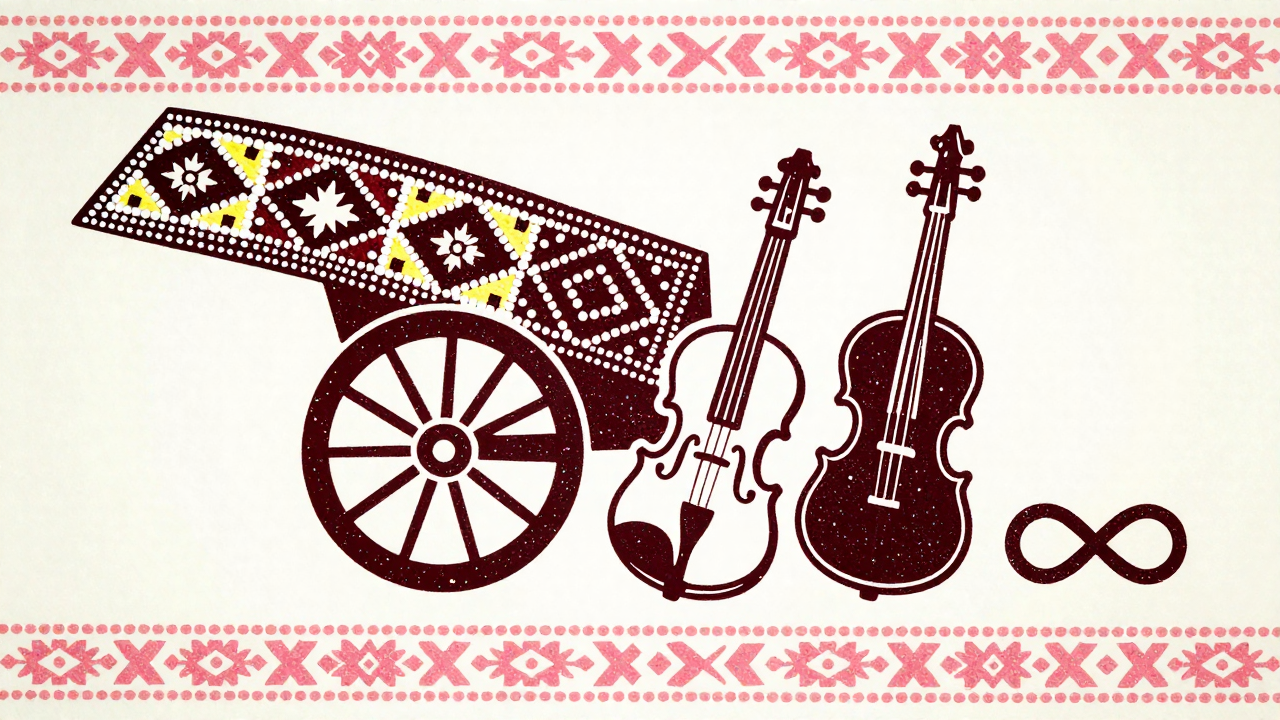
About
Louis Riel Day, celebrated annually on February 15, is a significant observance that honors the legacy of Louis Riel, a pivotal figure in Canadian history. Riel was a Métis leader who played an essential role in advocating for the rights and culture of the Métis people during the 19th century. His efforts in leading the Red River and North-West Rebellions were crucial in shaping the cultural landscape of Canada, particularly in terms of Indigenous rights and representation. On this day, Canadians reflect on Riel's contributions, his vision for a fair and inclusive society, and the importance of reconciliation with Indigenous communities.
This observance is a time for gathering and celebration, often marked by various events and activities across the country. Communities may host educational programs, cultural performances, and discussions that highlight Métis heritage and the ongoing journey towards understanding and acknowledging the diverse narratives within Canada. Louis Riel Day serves as a reminder of the importance of recognizing and honoring the contributions of Indigenous peoples, fostering a spirit of unity and respect. As individuals come together to commemorate Riel's legacy on February 15, they also embrace the opportunity to learn more about Canada’s rich history and the vibrant cultures that continue to shape its future.
History
Louis Riel Day is observed on February 15, commemorating the life and legacy of Louis Riel, a prominent Métis leader and a key figure in Canadian history. Riel was born on October 22, 1844, in Saint-Boniface, now part of Winnipeg, Manitoba. He played a vital role in the Red River and North-West Rebellions, advocating for the rights of the Métis people and their cultural heritage during a time of significant change as Canada expanded westward. The observance of Louis Riel Day was officially established in 2007 in Manitoba, marking a recognition of Riel’s contributions and the importance of Métis culture and history.
The origins of Louis Riel Day can be traced back to the acknowledgment of Riel as a folk hero among the Métis and a symbol of resistance against colonial oppression. His leadership during the Red River Rebellion in 1869-70 resulted in the establishment of the province of Manitoba and the recognition of Métis rights. After his execution in 1885 for treason, Riel became a martyr figure for many Indigenous peoples and is celebrated for his commitment to justice and equality. The day serves to reflect on the historical injustices faced by the Métis and Indigenous communities while also celebrating their resilience and cultural contributions to Canada.
Over time, Louis Riel Day has evolved into a significant cultural observance that includes educational programs, cultural events, and community gatherings. It serves as an opportunity for people in Manitoba and beyond to learn about Métis history, culture, and the ongoing issues facing Indigenous communities. Schools and organizations often host workshops, discussions, and performances that highlight Métis traditions and the impact of Riel's legacy. The day encourages a broader understanding of the Métis people’s struggles and achievements, fostering a sense of pride and recognition of their place in Canadian history.
Culturally, Louis Riel Day is significant not only for the Métis community but for all Canadians, as it prompts reflection on the complex history of the nation and the importance of reconciliation. The observance invites individuals to engage with the past, acknowledge historical grievances, and work towards a more inclusive future. Through various festivities, the day celebrates Métis culture, language, and traditions, ensuring that the contributions of Louis Riel and the Métis people are remembered and honored every February 15.