Family Day
Canada, South Africa, Australia, United Kingdom
About
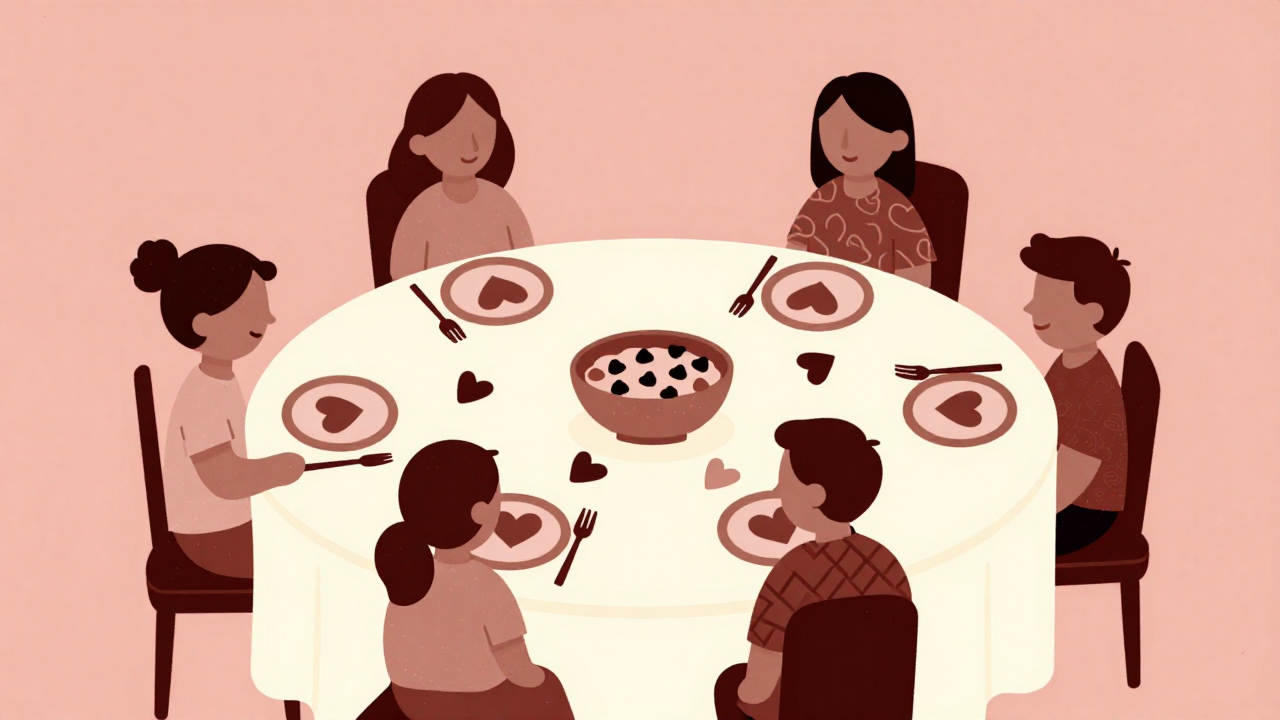
Family Day, celebrated on February 15, is a cherished occasion dedicated to honoring the bonds that tie families together. This day provides an opportunity for loved ones to gather, share experiences, and create lasting memories. It serves as a reminder of the importance of family support, love, and unity in navigating the ups and downs of life. Whether through engaging in fun activities or simply enjoying each other’s company, Family Day encourages families to take a break from their busy schedules and reconnect.
On this special day, families are invited to participate in a variety of activities that foster togetherness—be it outings to parks, movie nights at home, or community events celebrating family values. It’s a time to reflect on the significance of family, to express appreciation for one another, and to strengthen those essential relationships. So, mark your calendars for February 15, and embrace the warmth and joy that Family Day brings, making it a day filled with laughter, love, and togetherness.
History
Family Day, observed annually on February 15, has evolved into a significant celebration of family and togetherness in various regions, particularly in Canada. The origins of this observance can be traced back to the early 1990s when the idea of a holiday dedicated to family was first proposed to promote family values and strengthen community bonds. The concept gained traction in the province of Alberta, where Family Day was established in 1990 as a statutory holiday. This initiative aimed to provide families with a designated day to spend quality time together, fostering connection in a fast-paced world.
As the observance gained popularity, other provinces began to adopt their versions of Family Day. By 2007, British Columbia joined the movement, followed by Saskatchewan and Ontario in subsequent years. Each province tailored the day to reflect its unique cultural and social contexts, resulting in variations in celebration practices. The consistent element across these provinces is the emphasis on family engagement and community activities, which often include outdoor sports, cultural festivals, and local events designed to bring families together.
Over the years, Family Day has grown in cultural significance, symbolizing the importance of familial bonds in a society that often prioritizes work and individualism. The holiday encourages families to disconnect from their daily routines and reconnect with one another, fostering a sense of belonging and support. In communities across Canada, the day has become a time for families to participate in various activities, from outdoor adventures to educational workshops, promoting not only family unity but also community involvement.
On February 15, many Canadians take the opportunity to reflect on the values of love, support, and togetherness that family represents. The observance serves as a reminder of the essential role families play in personal well-being and societal cohesion. As Family Day continues to be celebrated, it reinforces the notion that amidst the challenges of modern life, nurturing family relationships remains a cornerstone of a healthy and vibrant community.