Losar
Nepal, India, Bhutan, Tibet
About
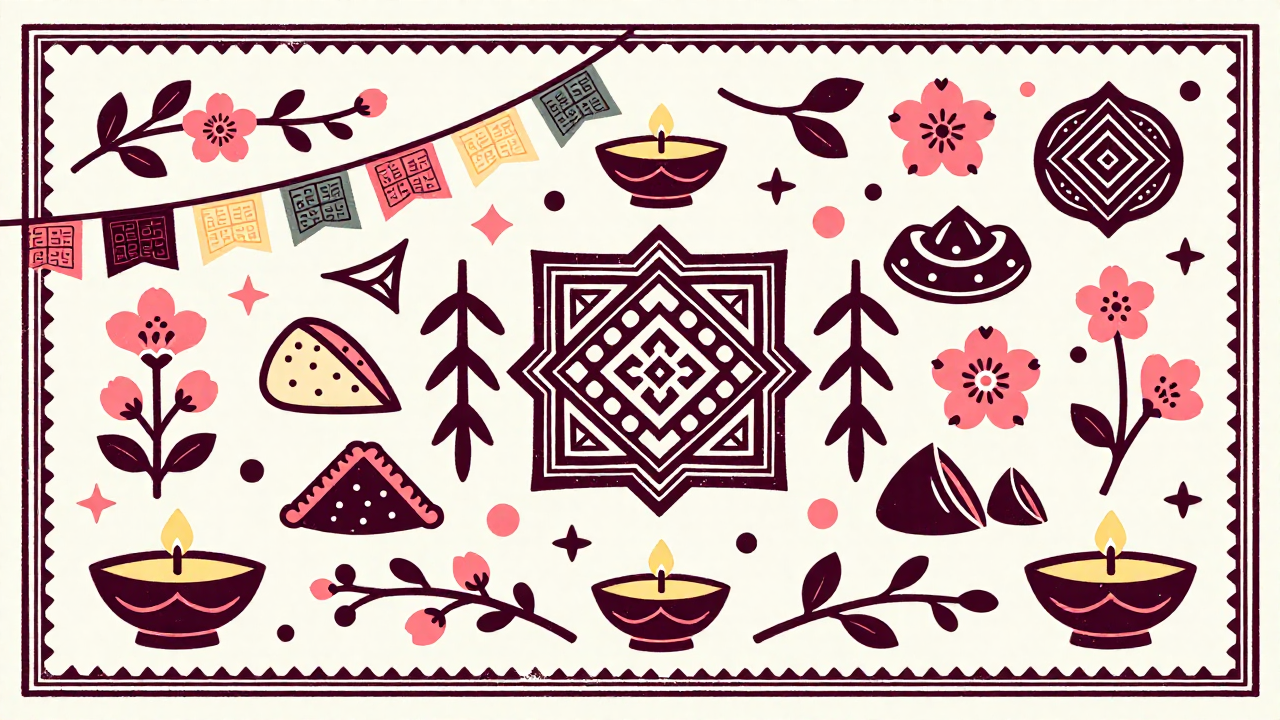
Losar, celebrated on February 7, is the vibrant Tibetan New Year, marking the arrival of spring and the start of a new cycle. This joyous occasion is deeply rooted in Tibetan culture and spirituality, symbolizing renewal, hope, and the opportunity to leave behind the past while embracing new beginnings. Traditionally, Losar is a time for families to come together, honoring their ancestors and sharing blessings for the year ahead. Festivities often include the preparation of special foods, colorful decorations, and engaging in lively cultural performances.
The celebration of Losar is rich with customs and rituals that reflect the deep spiritual connections of the Tibetan people. Families clean their homes to sweep away negative energy and make space for positive vibes, while traditional dishes like “guthuk,” a special soup, are enjoyed as part of the festivities. In addition to feasting and family gatherings, community events often feature music, dancing, and the vibrant display of traditional clothing, all adding to the festive atmosphere. As February 7 approaches, the spirit of Losar invites everyone to partake in the joy of renewal, fostering a sense of unity and cultural pride among Tibetan communities and beyond.
History
Losar, the Tibetan New Year, is a vibrant and significant celebration that marks the beginning of a new year in the Tibetan lunar calendar. This observance is celebrated on February 7 and holds deep cultural and spiritual meanings for Tibetan communities. The origins of Losar can be traced back to ancient agrarian practices and pre-Buddhist traditions in Tibet. Initially, it was a time for farmers to celebrate the end of the harvest season and to pay homage to deities for a prosperous new year. Over time, as Buddhism became more integrated into Tibetan culture during the 7th century, Losar evolved to incorporate various religious rituals and practices that reflect the teachings of Buddhism.
Historically, Losar has undergone significant changes, evolving from a predominantly agricultural festival to a grand celebration that encompasses various aspects of Tibetan identity. The festival typically lasts for several days, with the first day symbolizing the beginning of the year. Traditionally, families would clean their homes to sweep away any misfortunes from the previous year and decorate their surroundings with colorful ornaments. Culinary traditions also play a crucial role in the festivities, with special foods prepared, such as "guthuk," a noodle soup that is served on the eve of Losar, containing symbolic ingredients that predict fortunes for the upcoming year.
The cultural significance of Losar extends beyond mere celebrations; it serves as a time for family reunions, community bonding, and the reinforcement of cultural heritage. Rituals during Losar often include offerings to deities, prayers for good fortune, and various forms of entertainment, such as traditional dances and music. The festival not only emphasizes the importance of community and familial ties but also acts as a reminder of the resilience and continuity of Tibetan culture, especially in the face of historical challenges.
In contemporary times, while Losar continues to be celebrated in Tibet, it has also gained recognition among Tibetan communities worldwide. The observance has become a symbol of cultural pride and unity among Tibetans, especially in diaspora communities. As Losar falls on February 7, it serves as an annual reminder of the rich history and enduring traditions that define Tibetan identity, allowing both the young and the old to partake in the shared heritage of their ancestors. Through its vibrant customs and rituals, Losar remains a vital part of Tibetan cultural expression, fostering a sense of belonging and continuity across generations.