Log Cabin Day
United States
About
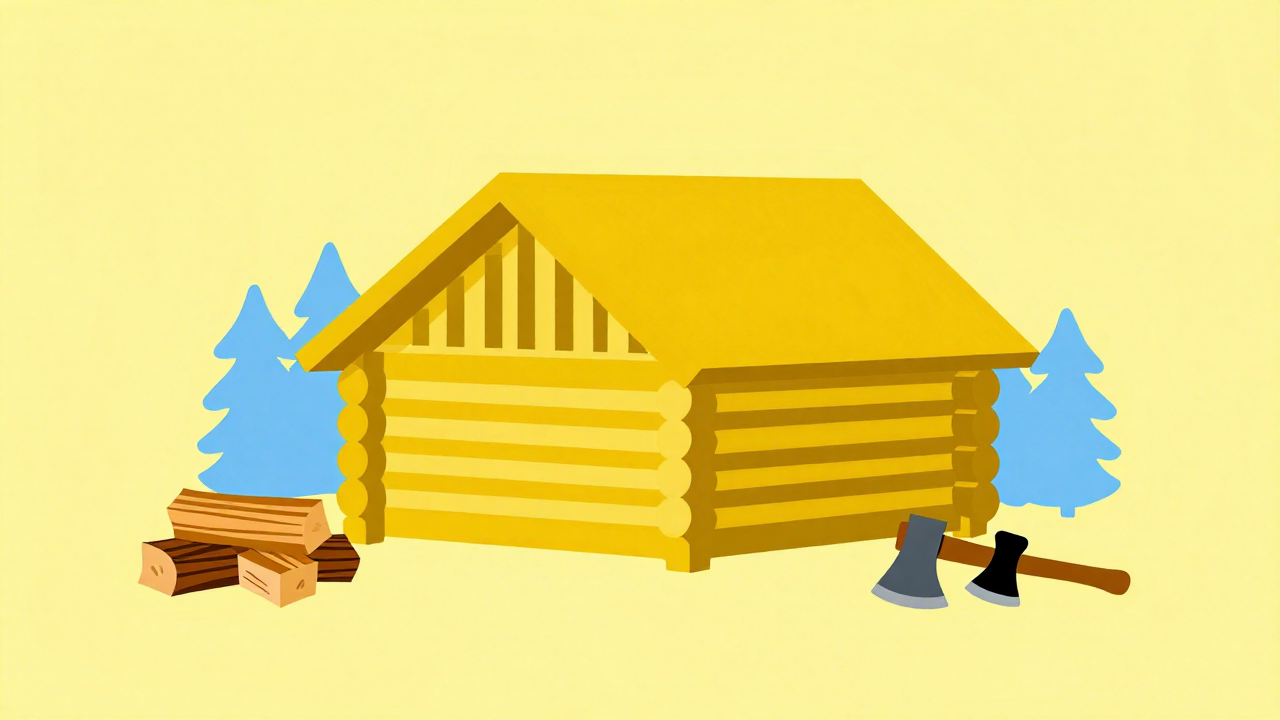
Log Cabin Day, observed on June 27, celebrates the enduring charm, craftsmanship, and history of log cabins. These sturdy homes played an important role in the lives of early settlers, offering shelter and reflecting the resourcefulness of communities that built with the natural materials around them.
The observance is an opportunity to appreciate historic cabins, pioneer life, and traditional building techniques. People may mark the day by visiting a preserved cabin or historical site, learning about early American life, enjoying outdoor activities, or simply admiring the warmth and simplicity associated with log-cabin living.
History
Log Cabin Day, observed on June 27, celebrates the log cabin as both a practical form of early American housing and a lasting symbol of frontier life. Log construction was used in North America long before the observance was created, drawing on building traditions brought by European settlers and adapted to local forests and conditions. Logs were relatively plentiful, durable, and easy to assemble, making cabins especially important in newly settled rural areas where milled lumber, brick, and other finished materials were difficult to obtain.
The observance emerged from the broader historic-preservation movement that sought to protect early homes and explain the daily lives of the people who built them. Historical societies, museums, and communities with surviving cabins helped turn interest in these structures into a public commemoration. By designating June 27 as Log Cabin Day, organizers created an occasion for visitors to tour preserved cabins, attend demonstrations, and learn about the tools, skills, and household routines associated with early settlement.
Over time, Log Cabin Day evolved beyond a simple celebration of an architectural form. Programs connected with the day commonly interpret cabin life through cooking, woodworking, farming, crafts, storytelling, and historical reenactment. These activities help show that cabins were not merely picturesque symbols: they were homes that required constant labor, offered limited space and insulation, and served as centers of family and community life. They also encourage preservation of structures that might otherwise be lost through neglect, development, or inaccurate restoration.
Culturally, the log cabin has acquired meanings that extend beyond its original function. It is often associated with self-reliance, resourcefulness, immigration, settlement, and the development of rural communities in the United States. Political history also contributed to the image, particularly through the celebrated “log cabin” backgrounds of figures such as Abraham Lincoln and William Henry Harrison. Log Cabin Day, observed on June 27, brings these historical associations together while inviting a more balanced understanding of the people who lived in cabins, including the labor, cooperation, and Indigenous histories connected with the expansion of settlement.