Liberation Day Afghanistan
Afghanistan
About
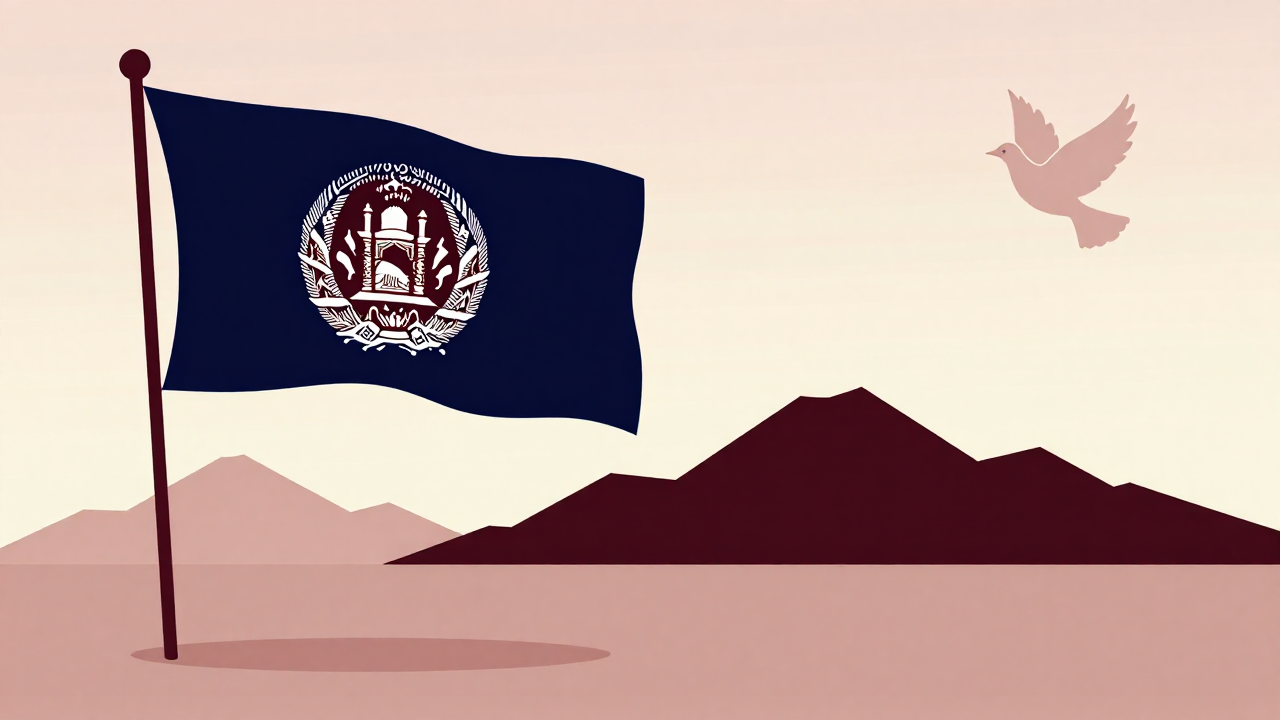
Liberation Day Afghanistan, observed on February 15, is a significant day that commemorates the withdrawal of Soviet troops from Afghanistan in 1989. This pivotal moment marked the end of a decade-long conflict that had profound effects on the nation and its people. On this day, Afghans reflect on their journey towards independence and the resilience they have shown in the face of adversity. It is a time for remembrance, as well as a celebration of the spirit of freedom that continues to inspire the country today.
Communities across Afghanistan come together to honor those who fought for their sovereignty and to recognize the sacrifices made during the tumultuous years of conflict. Events often include speeches, gatherings, and cultural displays that highlight the rich heritage and diversity of Afghan society. Liberation Day serves not only as a reminder of the past but also as a beacon of hope for a peaceful future, making it a heartfelt occasion for all Afghans to unite and celebrate their shared identity and aspirations.
History
Liberation Day in Afghanistan, observed on February 15, marks a significant turning point in the nation’s history, commemorating the withdrawal of Soviet troops from Afghanistan in 1989. This day is rooted in the broader context of the Afghan-Soviet War, which lasted from 1979 to 1989. The conflict began when the Soviet Union intervened to support a communist government struggling against a growing insurgency. The subsequent resistance, called the Mujahideen, received support from various countries, including the United States, Pakistan, and Saudi Arabia, leading to a prolonged and destructive war that claimed millions of lives and displaced countless others.
The significance of February 15 lies not only in the military withdrawal but also in the hope it represented for many Afghans. The end of Soviet presence was seen as a liberation from foreign domination and a step towards self-determination. Following the withdrawal, however, Afghanistan faced a power vacuum that led to a civil war and the eventual rise of the Taliban. Despite these challenges, Liberation Day has become a point of reflection for Afghans, where they contemplate their struggle for sovereignty and the ongoing quest for peace and stability in the country.
Over the years, the observance of Liberation Day has evolved. In the early years following the Soviet withdrawal, it was primarily a day of political significance, marked by speeches and commemorative events emphasizing independence and national pride. As Afghanistan has faced various challenges, including internal conflict and foreign intervention, the observance has also taken on a more somber tone, reflecting on the sacrifices made during the war and the ongoing struggles for peace and security. Today, it serves as a reminder of resilience and the enduring spirit of the Afghan people.
Culturally, Liberation Day has fostered a sense of unity among Afghans, transcending ethnic and political divides. Celebrations often include cultural events, parades, and gatherings where people share stories of bravery and the hope for a peaceful future. It is a day that encourages dialogue about Afghanistan's past and its path forward, promoting a collective memory that honors those who fought for the nation's independence. The observance remains an essential part of Afghan national identity, providing a platform for reflection and aspirations for a stable and prosperous Afghanistan.