Korean New Year
South Korea, North Korea, China, Vietnam, United States, Canada
About
Korean New Year, known as Seollal, is a significant celebration that brings families together to honor their heritage and welcome the new year. Observed on February 7, this festive occasion is deeply rooted in tradition and is marked by various customs that reflect the rich culture of Korea. Families gather to pay respect to their ancestors through a ritual called Charye, where offerings of food are presented on a beautifully arranged table. This act of remembrance not only strengthens family bonds but also serves as a moment to reflect on the past year and express hopes for prosperity in the year to come.
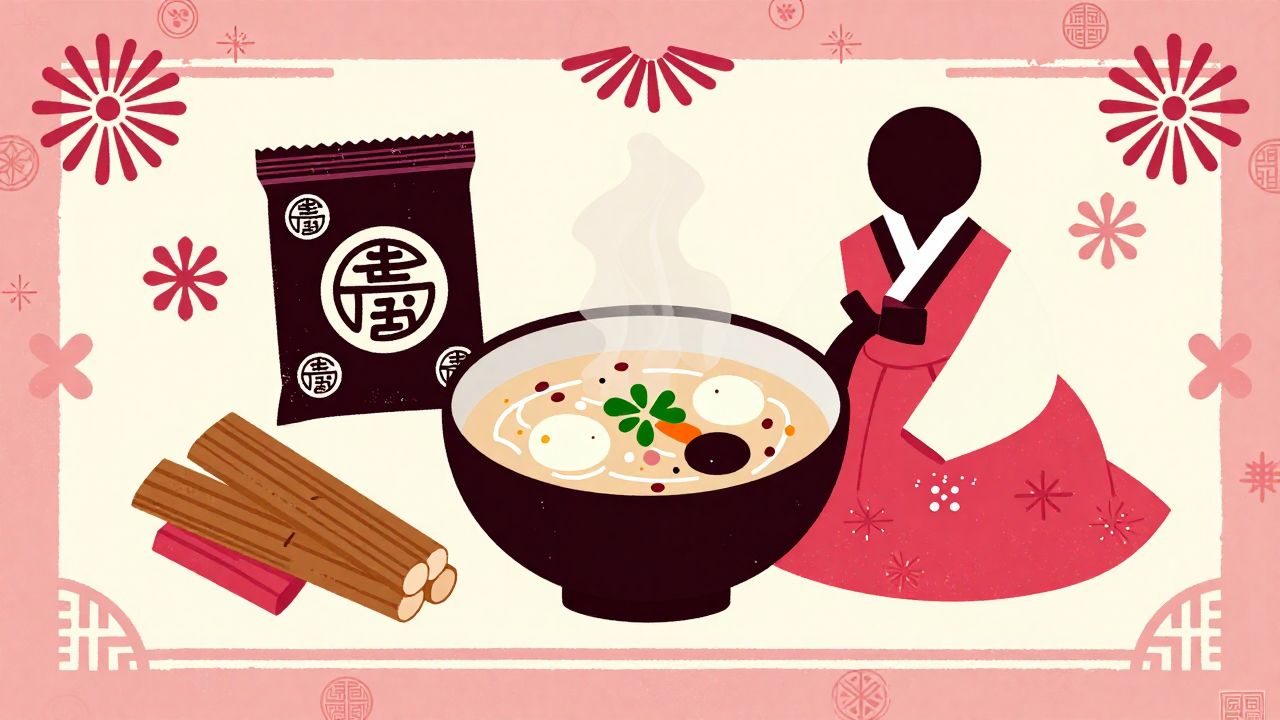
The day is also filled with joyful activities, including traditional games, the wearing of hanbok (the traditional Korean attire), and the sharing of delicious foods like tteokguk, a rice cake soup that symbolizes the gaining of a year in age and wisdom. As laughter and warmth fill the air, communities come alive with festivities that celebrate renewal and togetherness. Korean New Year is not just about marking the passage of time; it's a heartfelt reminder of the importance of family, heritage, and the promise of new beginnings.
History
Korean New Year, known as Seollal, is a significant traditional holiday celebrated on February 7. This observance marks the beginning of the lunar new year, a time steeped in rich history and cultural practices that date back thousands of years. The origins of Seollal can be traced to agricultural societies that relied on the lunar calendar for farming cycles. Historically, it was a time for families to come together, pay respects to ancestors, and express gratitude for the harvests of the past year, thereby reinforcing familial bonds and cultural identity.
Over time, the celebration of Korean New Year evolved, adapting to both social and political changes within Korea. During the dynastic periods, Seollal became formalized with specific customs and rituals. The holiday incorporated elements of Confucianism, emphasizing respect for ancestors through rituals known as charye, where families prepare food offerings at home altars. As Korea faced various invasions and colonial rule, the customs surrounding Seollal also began to incorporate influences from neighboring cultures while maintaining core traditions. With the establishment of modern South Korea, Seollal has been embraced as a public holiday, emphasizing national pride and cultural heritage.
Culturally, Korean New Year holds significant importance as it represents renewal and hope. It is a time for families to gather, often traveling great distances to reunite. Traditional games, such as yutnori (a board game) and the preparation of special foods like tteokguk (rice cake soup), play a central role in the festivities. Eating tteokguk is symbolic, as it signifies the gaining of a year in age and the blessings of the upcoming year. The holiday fosters a sense of community not just among families, but also within the wider society, as many participate in celebrations and rituals that honor collective history and shared values.
In recent years, the observance of Korean New Year has seen a resurgence as younger generations seek to reconnect with their cultural roots. While modern conveniences have altered some aspects of the celebration, the essence of Seollal remains intact. Today, it is celebrated not only in Korea but also among the Korean diaspora worldwide, showcasing the resilience and continuity of Korean traditions in a globalized world. Observed on February 7, Korean New Year continues to be a cherished time for reflection, celebration, and the reaffirmation of cultural identity.