Japan Dolls Festival
Japan
About
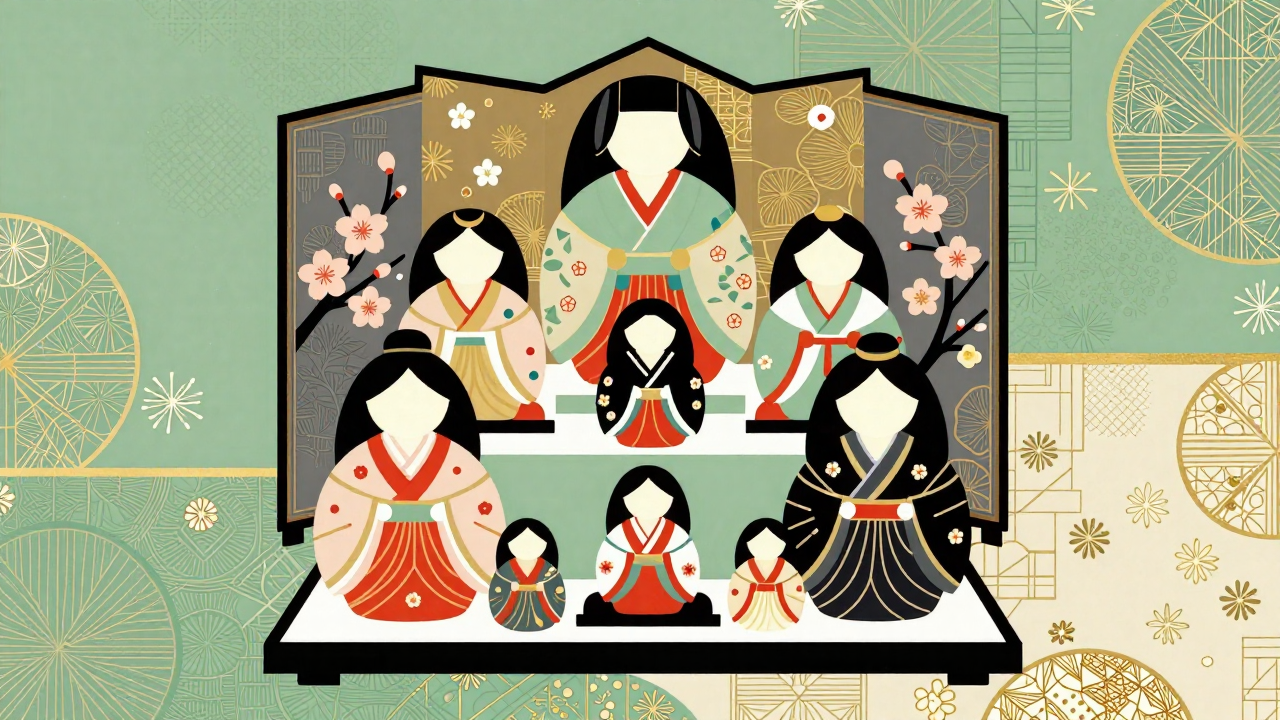
Japan Dolls Festival, celebrated on March 3, is a beautiful tradition that showcases the rich cultural heritage of Japan. Also known as Hina Matsuri, this enchanting festival is dedicated to the health and happiness of girls. Families display exquisite hina dolls, which are intricately crafted representations of the Emperor, Empress, and their court, set against a vibrant backdrop of colorful decorations. These dolls, often passed down through generations, symbolize prosperity and good fortune, while the festival itself is a heartfelt wish for the well-being of young girls.
As part of the festivities, families often prepare special dishes such as chirashi sushi, sweet rice cakes called hina-arare, and a refreshing sake called shirozake. The celebration extends beyond mere displays, as communities come together to honor the importance of family and the joy of childhood. On March 3, homes across Japan are filled with laughter, delicious food, and heartfelt prayers, making the Japan Dolls Festival a meaningful occasion that captures the essence of love and tradition in Japanese culture.
History
The Japan Dolls Festival, also known as Hinamatsuri, is celebrated annually on March 3. This traditional Japanese festival focuses on the well-being and happiness of girls, and it has its roots in ancient customs. The origins of Hinamatsuri can be traced back to the Heian period (794-1185), when it was believed that dolls could absorb the misfortunes and bad spirits of children. Early rituals involved floating straw dolls down rivers as a means of purification, symbolizing the release of ill fate.
Over the centuries, the festival evolved significantly. By the Edo period (1603-1868), the practice of displaying ornamental dolls, known as hina-ningyo, became popular. These dolls represent the Emperor, Empress, and their court, arranged on a tiered platform adorned with decorative items and seasonal treats. The elaborate displays reflect the intricate craftsmanship and aesthetics of Japanese culture, becoming a cherished yearly tradition that families maintain to celebrate their daughters.
Culturally, the Japan Dolls Festival holds profound significance as it is a time for families to pray for the health, happiness, and prosperity of their daughters. The event is marked by various customs, including the preparation of special foods such as chirashizushi (scattered sushi) and hina-arare (colorful rice crackers). Families often gather to share these meals in conjunction with the display of hina dolls, reinforcing familial bonds and cultural heritage.
Today, the Japan Dolls Festival not only serves as a celebration of girlhood but also acts as a reminder of traditional values and the passage of time. As it is observed on March 3, families across Japan partake in festivities, ensuring that this beautiful cultural practice continues to flourish. The festival encapsulates the essence of nurturing, care, and the hopes parents have for their daughters, making it a poignant observance in the Japanese calendar.