Jackfruit Day
Bangladesh, India, Sri Lanka, Thailand, Philippines
About
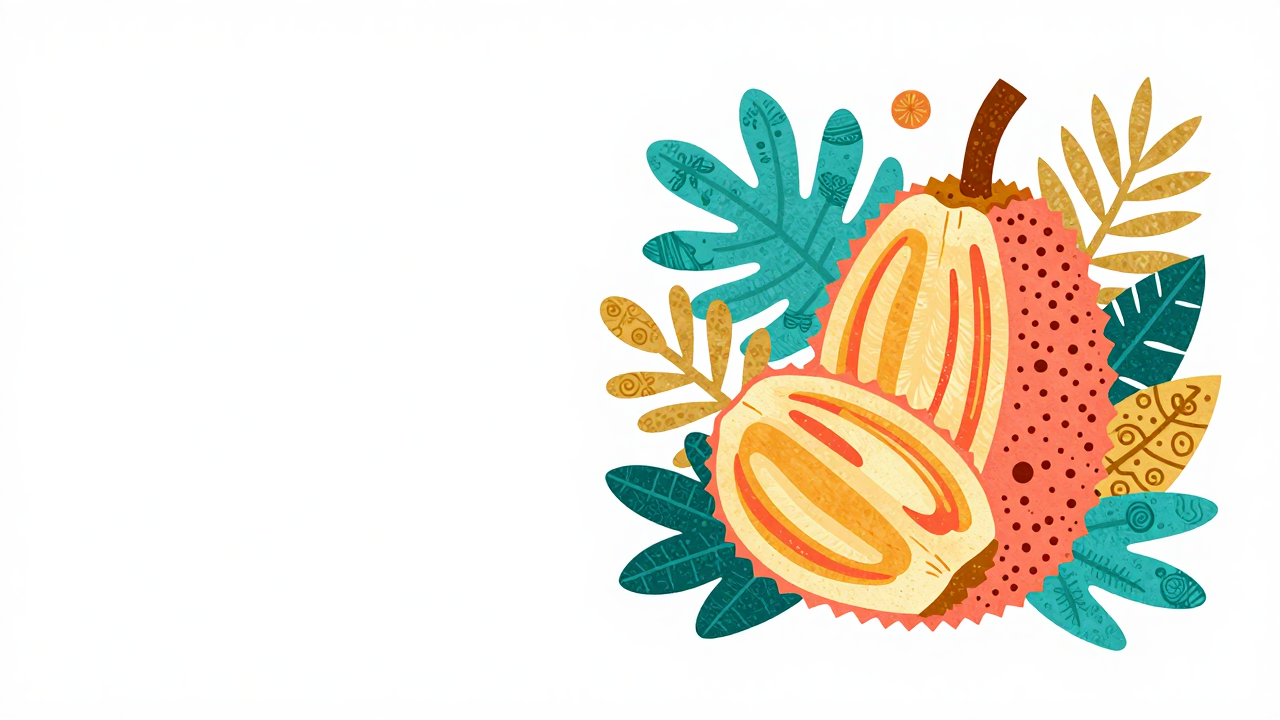
Jackfruit Day, observed on July 4, celebrates the remarkable jackfruit—a tropical fruit known for its impressive size, distinctive texture, and versatile culinary uses. Native to parts of South and Southeast Asia, jackfruit can be enjoyed ripe for its sweet, fragrant flavor or used unripe in savory dishes as a satisfying meat alternative.
The observance is a wonderful opportunity to discover this nutritious fruit and learn more about its place in food traditions around the world. Try jackfruit in tacos, curries, salads, desserts, or simply enjoy it fresh, and appreciate the creativity and variety it brings to the table.
History
Jackfruit Day is observed annually on **July 4** as a celebration of the jackfruit, a large tropical fruit valued for its versatility, nourishment, and cultural importance. The observance draws attention to a fruit that has long been part of food traditions in South and Southeast Asia, rather than commemorating a single historical event. Its placement on July 4 has helped give the fruit a dedicated date in modern food and awareness calendars, encouraging people to learn about jackfruit and try it in different forms.
The jackfruit tree, *Artocarpus heterophyllus*, is native to parts of South and Southeast Asia and is closely related to breadfruit and figs. It has been cultivated for centuries, particularly in India, Bangladesh, Sri Lanka, Indonesia, Malaysia, and the Philippines. Historical food traditions use the ripe bulbs in desserts and preserves, while unripe jackfruit is cooked as a vegetable. The seeds are also edible when boiled, roasted, or incorporated into other dishes, making the fruit notable for its relatively broad culinary use.
Over time, jackfruit became increasingly familiar beyond its traditional growing regions. International trade, migration, agricultural research, and interest in plant-based foods introduced it to new consumers. In recent years, young jackfruit has gained particular attention as a meat substitute because its fibrous texture can resemble pulled meat when cooked and seasoned. This modern popularity has expanded the meaning of Jackfruit Day: it now serves not only as an appreciation of a traditional tropical crop but also as an opportunity to discuss food diversity, sustainable agriculture, and alternative ingredients.
Culturally, jackfruit represents the connection between regional agriculture and everyday cuisine. In communities where it grows, the fruit has traditionally been valued for providing food at different stages of maturity and for making use of several parts of the tree and fruit. Observed on **July 4**, Jackfruit Day invites people to recognize that long-established food practices can continue to evolve in contemporary cooking. It is commonly marked by learning about the fruit’s history, preparing jackfruit-based dishes, and sharing information about its nutritional and culinary qualities.